

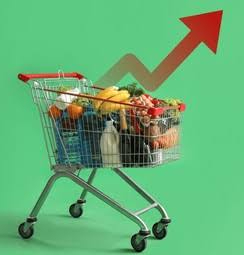
INDIANA – If a walk through the supermarket feels less like a routine chore and more like a high-stakes budgeting exercise, you are far from alone.
American households are absorbing the largest jump in grocery prices in a half-century. Food-at-home costs have surged by over 33% compared to pre-pandemic levels, leaving shoppers to navigate eye-watering totals at checkout counters across the nation. The average household grocery bill is now hovering near $700 per month, turning what used to be routine weekly runs into a source of ongoing financial anxiety.
What’s Driving the Unprecedented Surge?
Economists point to a “perfect storm” of persistent global and domestic pressures that began during the COVID-19 pandemic and never fully dissipated:
- Supply Chain Disruptions: Transportation expenses, increased labor costs, and elevated energy prices pushed production expenses higher at every link of the supply chain.
- Extreme Weather & Agricultural Shortages: Historic droughts across the American West combined with feed price spikes led to a sharp contraction in U.S. cattle herds.
- Global Volatility: Geopolitical conflicts in Eastern Europe and the Middle East continue to disrupt international fertilizer and fuel supplies.
Beef has taken the brunt of the increase. Ground beef prices have climbed over 50% since 2020, while specialized cuts like roasts and steaks have spiked by 57% to 74%. For millions of families, beef has transitioned from a weekly staple to a calculated luxury.
How Staples Stack Up
While nearly every aisle reflects higher totals, certain categories have experienced far steeper price hikes than others:
| Item Category | Price Increase (Post-2020) | Key Drivers |
| Beef Roasts & Steaks | +57% to +74% | Shrinking cattle herds, Western drought, feed costs |
| Ground Beef | +52.5% | High demand colliding with tight domestic supply |
| Eggs | +51.4% | Extreme volatility driven by avian flu outbreaks |
| Coffee & Pantry Staples | +47% | Global supply constraints and elevated freight tariffs |
Rewiring the American Shopping Cart
Faced with steep receipts, consumers aren’t just complaining—they are completely changing how they shop.

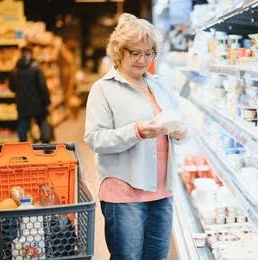
- Brand Flipping: Brand loyalty has taken a back seat. Millions of consumers are swapping name-brand canned goods, cereals, and dairy for store-brand equivalents (like Great Value or Kirkland) to save 20% to 30% per item.
- The “Multi-Store Split”: Single-stop shopping is becoming a thing of the past. Households increasingly split their trips across discount chains, wholesale clubs, and local markets to chase deals.
- Protein Swaps: With beef priced at premium levels, families are substituting ground turkey, chicken, and canned legumes into traditional weeknight recipes.
Though overall inflation has slowed from its peak rates, food prices remain sticky at record highs. For the average household, getting dinner on the table isn’t just about what sounds good anymore—it’s about what fits the budget.

