

WASHINGTON — Hoverboards, e-scooters, and e-bikes have rapidly become some of the fastest-growing consumer products on American streets. However, federal consumer safety officials warn that they are also among the most dangerous—not just because of street traffic, but because of a hidden fire hazard inside the devices themselves.
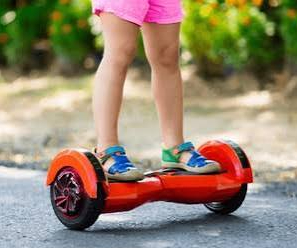
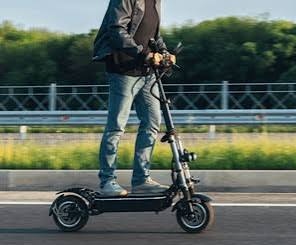
According to data from the U.S. Consumer Product Safety Commission (CPSC), injuries from micromobility devices skyrocketed 127 percent between 2017 and 2021, reaching an estimated 77,200 emergency room visits. During that same timeframe, reported deaths jumped from 5 to 48.
While collisions account for many of these incidents, safety officials are raising red flags over a second, far more unpredictable threat: lithium-ion battery fires and explosions.
The Battery Fire Hazard: What Is Thermal Runaway?
The lithium-ion battery packs that power modern micromobility devices can experience a volatile chemical chain reaction known as thermal runaway. When a battery cell overheats, shorts out, or suffers internal damage, it generates intense heat faster than it can dissipate, triggering neighboring cells to combust in rapid succession.
The result is an explosive blaze that burns extremely hot, emits toxic gas, and is nearly impossible to put out with standard fire extinguishers.
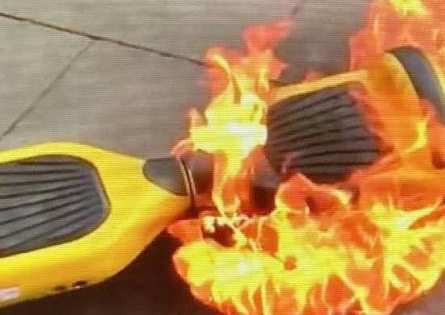
Crucially, these fires can strike without warning. They can ignite while the device is actively charging, sitting idle in storage, or being ridden down the street.
A Fatal Track Record
- March 2017 (Harrisburg, PA): A hoverboard fire caused by a LayZ Board killed two young girls.
- October 2017 (Manchester Township, PA): A second fire linked to a LayZ Board destroyed a townhome and heavily damaged four neighboring properties.
- 2019 – 2023: The CPSC logged at least 227 unique fire, explosion, or burn incidents directly linked to micromobility products nationwide.
The UL 2272 Standard: Why Certification Matters
To combat the wave of battery fires, safety engineers developed the UL 2272 standard—a rigorous testing protocol designed to ensure that the electrical system, battery cells, and charging circuits of a hoverboard or e-scooter can withstand real-world stress without catching fire.
The CPSC explicitly warns that hoverboards and e-scooters manufactured before January 29, 2016, do not meet UL 2272 standards and pose a severe hazard. While reputable manufacturers sell compliant products today, non-certified, cheap, or counterfeit devices still pollute the online market and informal retail setups.
| Buying Red Flag | Why It Matters |
| No UL 2272 Mark | The unit lacks standardized fire and electrical safety testing. |
| Unusually Low Price | Significantly cheaper models often cut costs by using substandard, non-certified battery cells. |
| Kiosks & Secondhand Sellers | These vendors rarely offer verifiable proof of full-device safety compliance. |
| “UL-Certified Battery” Claims | Fraudulent marketing often labels the charger or battery as UL-certified, but UL 2272 covers the ENTIRE unit, not just loose components. |
Essential Safety Protocols for Riders
To protect against severe injuries, collisions, and house fires, safety experts recommend strict adherence to basic riding and battery maintenance guidelines.
Safe Charging & Battery Care
- Never Charge Unattended: Avoid charging devices overnight or leaving them plugged in when you leave the house.
- Stick to Stock Chargers: Never use third-party or aftermarket chargers that were not specifically manufactured for your exact model.
- Know the Danger Signs: If a device swells, emits a strange smell, leaks, or gets excessively hot during use or charging, stop immediately. Move it to a clear outdoor area far away from flammable structures.
Road & Riding Safety
- Wear a Helmet: Always wear a properly fitted bicycle helmet on every ride.
- Pre-Ride Inspection: Check the brakes, throttle, handlebars, frame, tire pressure, and lights before pushing off.
- One Rider Only: Never carry passengers on an e-scooter; extra weight alters balance and drastically increases stopping distances.
- Respect Limits: Obey all manufacturer weight capacities and age restrictions.
To report a dangerous hoverboard, e-scooter, or battery incident, consumers can visit SaferProducts.gov or call the CPSC Hotline at 800-638-2772.

