

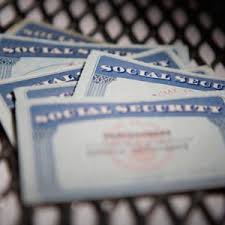
WASHINGTON, D.C. — In an era of increasing digital vulnerability, the Social Security Administration (SSA) is reminding the public that your nine-digit Social Security number (SSN) remains the “master key” to your financial life. To combat the rising tide of identity theft and sophisticated phishing scams, safety experts have released a comprehensive guide to help citizens secure their personal information.
“Protecting your Social Security number is not just about guarding a piece of paper; it’s about securing your entire financial future,” the agency noted in a recent bulletin.
Leave the Card at Home
One of the most common mistakes citizens make is carrying their physical Social Security card in a wallet or purse. Experts warn that this practice significantly increases the risk of identity theft if the wallet is lost or stolen.
The Golden Rule: Keep your physical card in a locked, fireproof safe or another secure location. You should only bring it with you on rare occasions, such as starting a new job or applying for certain government benefits.
Navigating Requests for Your Number
While many institutions—such as banks, employers, and the Internal Revenue Service—legitimately require your SSN, many others do not. The SSA suggests a “question-first” approach when someone asks for your number:
- Ask why it is needed: Is there a legal requirement, or is it just for internal record-keeping?
- Ask how it will be used: How will the organization protect your data once they have it?
- Ask about the consequences: What happens if you refuse? In many cases, providing an alternative form of ID or just the last four digits may suffice.
Red Flags: Identifying Scams
The SSA is also warning of a sharp increase in unsolicited requests. Scammers often pose as government officials via phone, email, or text to “verify” your number under the threat of legal action or account suspension.
Government agencies will never call you out of the blue to demand your Social Security number or threaten you with arrest. If you receive an unexpected request, hang up or delete the message immediately.
If your card is lost, stolen, or damaged, you may not need to visit a local office. Many citizens can now request a replacement card online by creating a personal my Social Security account. This secure portal allows users to manage their benefits and personal details without the need for in-person appointments.
For the latest information on emerging fraud tactics, the public is encouraged to visit the official Scam Alert webpage. Staying vigilant and informed remains the most effective defense against those looking to exploit your personal information.

