

BLOOMINGTON — In a push to better protect the state’s vulnerable wildlife, the Indiana Department of Natural Resources (DNR) mammalogy team has announced the upcoming launch of “Report a Roost.”
The new digital reporting tool, set to go live on Monday, June 8, 2026, allows private landowners and residents to easily report active bat colonies on properties they own or have permission to access. By tracking where these mammals congregate during the warmer months, state biologists hope to gain a clearer picture of human-bat co-existence, map species distribution, and optimize local conservation outreach.
The launch directly supports the state’s broader, ongoing Summer Bat Roost Monitoring Project, a citizen-science initiative that relies on Hoosier volunteers to track the occupancy and abundance of local bat colonies.
How Citizens Can Help Count
While Indiana’s Wildlife Diversity staff have actively monitored winter bat populations hibernating inside caves and abandoned mines since the mid-1980s, far less data exists regarding where bats live during the late spring and summer.
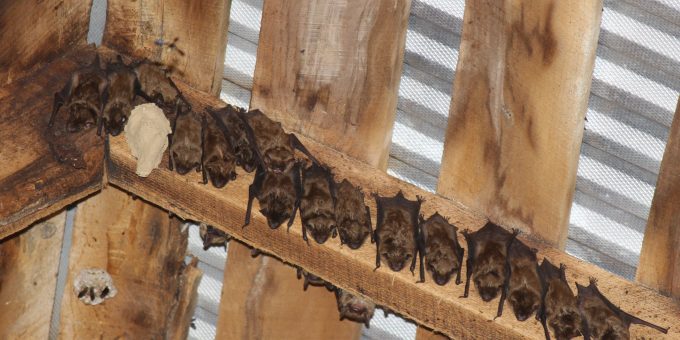
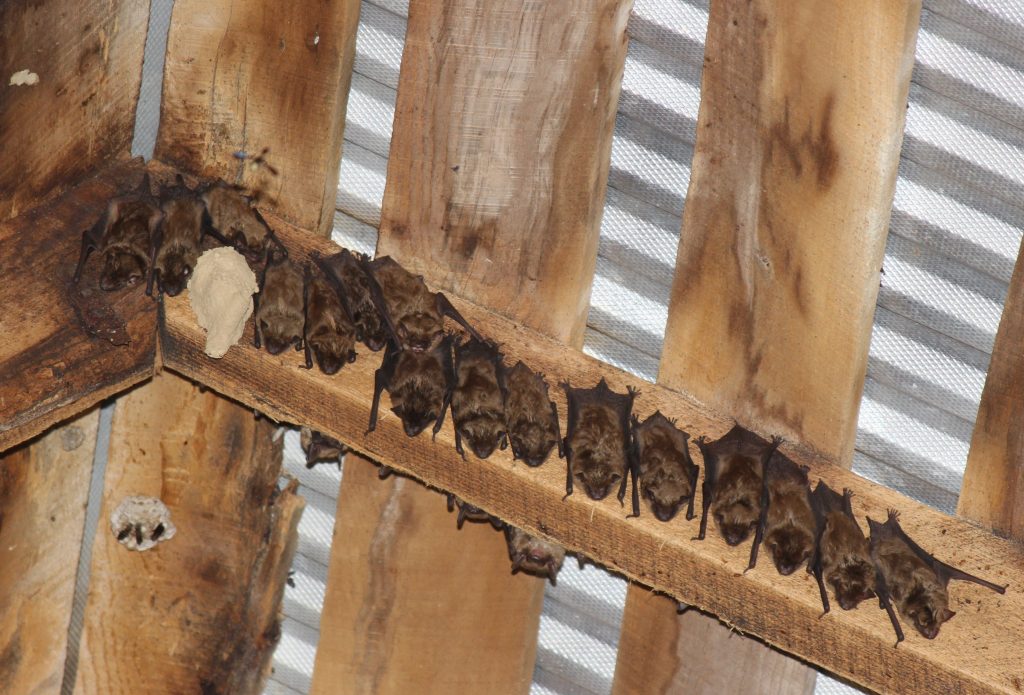
Certain species are colonial, meaning they gather in large groups to roost inside structures like trees, specialized bat houses, barns, attics, and rural outbuildings. These locations are critical to the lifecycle of the animals, providing a warm, secure environment for female bats to give birth and nurse their young.
The DNR is looking for volunteers willing to conduct simple evening counts at these roost sites. The commitment involves:
- Dusk Observations: Volunteers stand near a known roost at twilight to count the bats as they exit to hunt.
- Minimal Time: Each survey takes roughly one hour.
- Flexible Schedule: Counts are conducted across 8 to 12 nights between mid-May and mid-July.
- Data Collection: Participants log total bat numbers alongside basic weather observations (such as temperature and wind).
Two Common Species Face Unequal Threats
Biologists are particularly focused on monitoring two specific species known to frequent Indiana buildings: the big brown bat and the little brown bat.
Historically, both species maintained robust populations across the state. However, the introduction of White-Nose Syndrome—a devastating, fatal fungal disease that disrupts hibernating bats—has decimated little brown bat populations throughout the eastern United States, including Indiana.
Because most bats in Indiana give birth to just a single pup each year, their low reproductive rate makes it incredibly difficult for populations to bounce back from sudden, severe declines. This makes tracking surviving summer colonies a matter of high scientific urgency.
Landowners who discover a summer roost are strongly urged not to disturb or exclude the animals during the nesting season. Disrupting a colony right now can cause mother bats to abandon the roost, leaving vulnerable, flightless pups to perish.
Dispelling Long-Standing Bat Myths
State biologists also hope the “Report a Roost” rollout will help clear up persistent misconceptions about the flying mammals.
A common urban legend suggests that bats will intentionally fly into human hair. In reality, bats are incredibly agile flyers that use high-frequency echolocation to navigate down to the millimeter in pitch darkness. If a bat swoops near a human, it is almost always diving to catch a mosquito, moth, or beetle that was drawn to the human’s body heat.
Additionally, while bats can contract rabies, the actual infection rate among wild populations is exceptionally low—less than two percent.
A $3 Billion Economic Lifesaver
From an economic standpoint, keeping Indiana’s bats healthy is vital for local agriculture and forestry. Every single bat native to Indiana is strictly insectivorous, eating up to its own body weight in bugs every single night.
By feeding on notorious agricultural pests like rootworm moths and cutworms, bats act as a free, organic shield for crops. Federal data indicate that without the natural pest control provided by bats, the United States agricultural sector would have to spend an estimated $3 billion additionally every year on chemical pesticides and crop management.
How to Get Involved
Hoosiers interested in contributing to the project can contact the state’s wildlife team directly:
- By Email: Send inquiries to helpbats@dnr.in.gov
- By Phone: Call the Bloomington Fish & Wildlife office at 812-334-1137.
- Online Registration: To officially sign up for the survey project, residents can visit the Indiana Division of Fish & Wildlife volunteer portal and select the “Find an ongoing service project” link.
The digital “Report a Roost” submission portal will be prominently featured on the homepage beginning June 8.

