

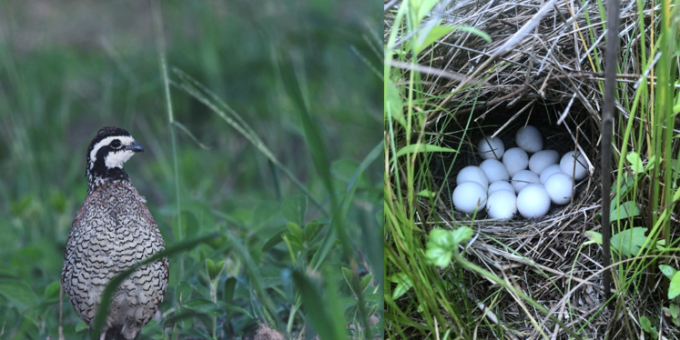
INDIANA – State wildlife officials are calling on Hoosier landowners, farmers, and lawn care operators to alter their summer mowing habits to protect ground-nesting birds. According to the Indiana Department of Natural Resources (DNR), grassland bird populations are currently suffering the sharpest and steepest decline of any bird group in North America.
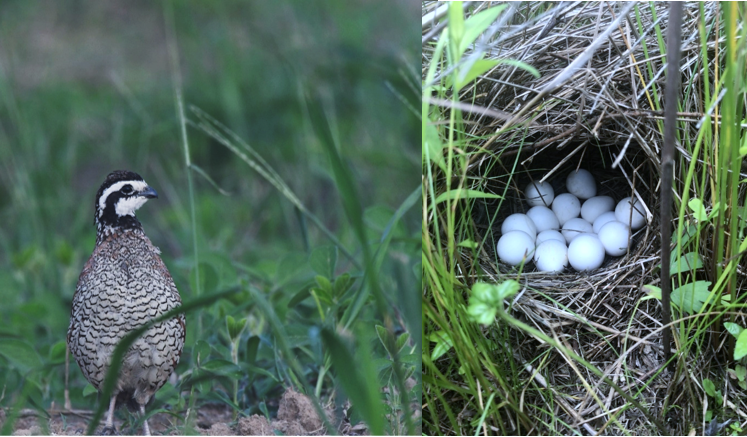
Because agricultural practices and standard property maintenance directly impact the survival of these species, wildlife biologists emphasize that a few minor changes to mechanical routines can save thousands of nests and fawns during the critical summer months.
In Indiana, the primary nesting and brood-rearing season for grassland wildlife spans a wide window from April 1 through August 1. When heavy machinery or high-speed mowers slice through fields during this period, it frequently results in the catastrophic loss of eggs, nestlings, and hiding wildlife.
To minimize environmental harm, the DNR strongly encourages landowners to adopt four destructive-mitigation practices:
- Raise the Cutting Blade: Adjusting tractor or mower blades to cut grass at a height of 8 inches or higher keeps ground nests intact while encouraging healthier soil and local vegetation.
- Delay Haying Operations: Whenever possible, avoid cutting large fields or haying until at least mid-July or after August 1. Delaying cuts until later in the summer guarantees that fledgling birds have matured enough to fly and escape machinery.
- Mow from the Inside Out: Most operators traditionally cut fields from the perimeter inward, which inadvertently traps wildlife in an ever-shrinking patch of uncut grass in the center. Reversing this pattern by mowing from the center outward allows animals to safely flee into adjacent cover. Leaving uncut, wide strips or blocks of high vegetation also provides critical travel corridors that protect animals from low-flying predators.
- Attach a Flushing Bar: This simple, low-cost metal bar extends from the front of a tractor. It utilizes hanging chains to gently rustle the grass ahead of the tires, giving nesting songbirds, adult gamebirds, and concealed deer fawns a physical warning to jump or flush out of harm’s way before the blades pass over.
Imperiled Species Depend on Grasslands
A wide variety of distinct native wildlife relies strictly on undisturbed, treeless grasslands to rear their young. Key species currently feeling the pressure of habitat loss include the Northern bobwhite (quail), ring-necked pheasant, Eastern meadowlark, and the loggerhead shrike.
The loss of these ecosystems stems from modern agricultural conversion—such as creating larger, cleaner crop fields—and tree and shrub encroachment, which shrinks wide-open nesting sites
To actively combat this trend, the Indiana Division of Fish & Wildlife steers the Grasslands for Gamebirds and Songbirds (GGS) initiative. The multi-agency partnership targets specific focal regions across the state, offering private landowners technical guidance and financial incentives to develop pollinator-friendly, high-quality native grass habitats.
For landowners looking to take conservation a step further, the GGS initiative bridges with the Indiana Private Lands Access (IPLA) program. This program provides additional annual financial payouts to property owners who actively manage their acreage for native wildlife and agree to allow limited, closely monitored public access hunting on their land.
Whether managing hundreds of agricultural acres or maintaining a large rural homestead, Hoosiers can make a profound difference simply by timing their field maintenance responsibly. Landowners interested in a free, customized property management plan from a regional district biologist can learn more or apply for habitat incentives by visiting the program portal at on.IN.gov/ggs.
Grasslands for Gamebirds and Songbirds This official summary video details how the GGS program operates and connects local landowners with technical resources and funding to help restore critical Indiana bird habitats.

