


WEST LAFAYETTE — Purdue University researchers are developing a wearable artificial intelligence device designed to help improve the timing of epinephrine injections during anaphylaxis, a sudden and potentially life-threatening allergic reaction.

Photo by Purdue University
The research team, led by Muhammad Hussain, a professor in Purdue’s Elmore Family School of Electrical and Computer Engineering, is working on a patent-pending device that uses artificial intelligence to monitor physiological indicators and help determine when epinephrine should be administered.
Anaphylaxis can develop rapidly and requires immediate medical attention. Epinephrine is a primary emergency treatment for the condition, making timely administration especially important.
The proposed wearable technology is intended to recognize signs associated with a developing emergency and help facilitate a faster response. By combining physiological monitoring with AI-based analysis, the researchers aim to address challenges associated with recognizing anaphylaxis and administering treatment promptly.
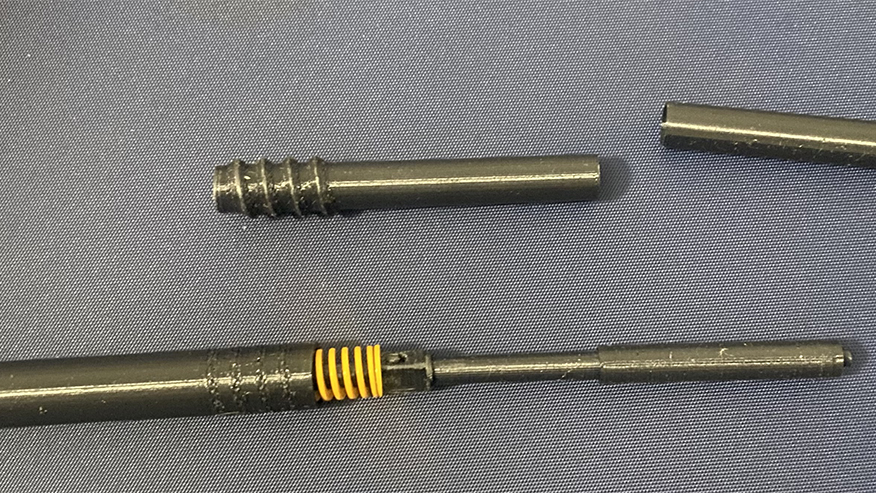
Photo by Purdue University
The project reflects a broader effort to apply wearable technology and artificial intelligence to health care, particularly situations in which rapid recognition of changing physical conditions can be critical.
The device remains under development, and the research announcement describes it as a patent-pending technology rather than an established replacement for existing emergency allergy treatments.
Purdue’s work brings together expertise in electrical and computer engineering, AI, and health-related technology to explore ways of improving emergency response.
Purdue University announced the research on October 14. Additional details are available through the university’s official announcement.