

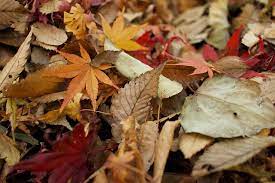
INDIANA – As fall leaf cleanup approaches, conservationists are encouraging homeowners to do less yard work to help the environment. Leaving fallen leaves in place offers significant benefits for local ecosystems, supporting winter wildlife survival and building healthier soil.
Benefits to Wildlife
Fallen leaves serve as critical winter habitat for a variety of native species:
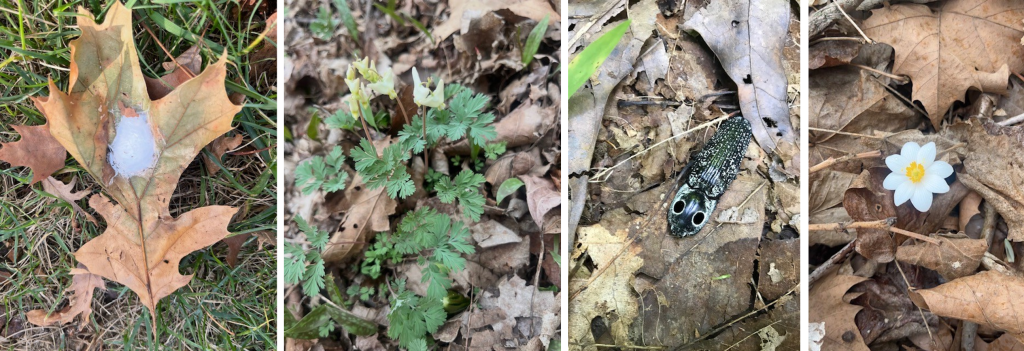
- Overwintering Shelter: Leaf litter provides crucial cover to protect firefly larvae through the winter months.
- Natural Insulation: A layer of leaves insulates small animals and beneficial insects, including eastern red bats and pill bugs, from freezing temperatures.
- Nesting Supplies: Mammals like squirrels frequently use dried fallen leaves as building material for seasonal nests.
Environmental and Soil Advantages
Beyond supporting wildlife, unraked leaves function as a natural resource for garden beds and broader habitats:
- Organic Mulch: Leaves act as natural mulch, suppressing weeds and helping the ground retain moisture.
- Nutrient Cycle: As leaves decompose, they break down and release valuable organic nutrients directly into the soil.
- Aquatic Support: Decomposing leaves release tannins into nearby runoff, a natural compound that can help boost local fish health.
- Plant Protection: Leaf cover shields native perennial plants, such as bloodroot and Dutchman’s breeches, from harsh winter weather conditions.
How to Practice Leave-the-Leaves in Your Yard
Property owners interested in adopting the practice can start small while keeping yards neat and compliant with local municipal ordinances. Rather than bagging leaves for disposal, try raking them into garden corners, tucking them between pavers and garden rows, or piling them gently around the bases of tree trunks.
To learn more about sustainable yard care and regional conservation practices, visit the Indiana DNR habitat management guide at on.IN.gov.

