

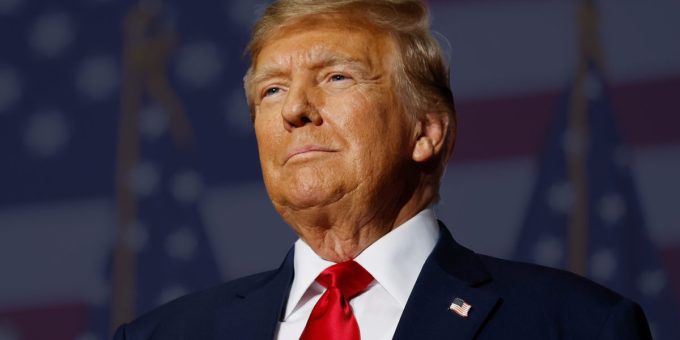
WASHINGTON, D.C. — President Donald Trump lashed out on Wednesday after the Federal Reserve voted to raise interest rates for the first time in more than three years. The decision marks a significant shift in monetary policy as the central bank works to control lingering economic pressures.
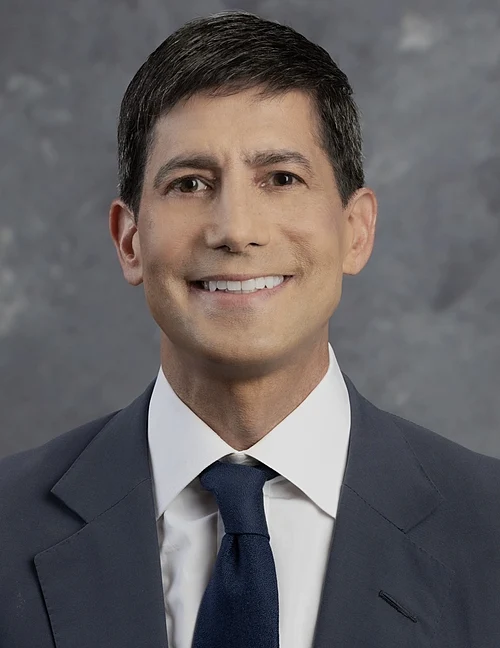
While defending his hand-picked Fed Chair Kevin Warsh, Trump accused other central bank officials of orchestrating the hike for political reasons to undermine his administration. Speaking to reporters ahead of a campaign rally, Trump labeled the board “very hostile” and claimed the decision was designed to make his economic track record look unsuccessful. On social media, the president reiterated his stance that U.S. rates should be significantly lower.
The quarter-point increase—which pushes the benchmark federal funds rate to a target range of 3.75% to 4%—was approved unanimously by the Fed’s rate-setting Federal Open Market Committee, with Warsh voting in favor.
Rising Inflation and Geopolitical Strains Drive Decision
The unanimous vote reflects mounting concern within the central bank over persistent, above-target inflation, which has worsened in recent months amid energy market shocks stemming from ongoing conflict with Iran.
“The plain fact is that inflation is too high and has been for too long,” Warsh stated during a news conference, emphasizing that the central bank remains committed to restoring price stability. Officials also issued economic projections signaling that another rate hike could occur before the end of the year.
The policy shift sets up a visible clash over central bank independence. While Trump expected rate cuts when appointing Warsh earlier this year, Warsh reinforced during his confirmation and recent remarks that the Fed will operate based on economic data rather than political pressure.
What the Rate Hike Means for Consumers
The central bank’s rate increase directly impacts everyday borrowing and saving conditions across the financial sector:
- Fixed-Rate Products: Consumers with existing fixed-rate mortgages, locked-in personal loans, or fixed certificates of deposit (CDs) will see no change, as their rates remain locked for the life of the agreement.
- Variable-Rate Credit Cards: Most credit card APRs are tied to the prime rate and will likely adjust upward within one to two billing cycles, increasing the cost of carrying a balance.
- New Mortgages and Auto Loans: Rates on new home loans and vehicle financing are expected to move higher, adding to monthly payments for prospective buyers.
- Savings and Deposit Accounts: Yields on high-yield savings accounts, money market accounts, and new CDs may see modest increases, offering a slightly higher return for depositors.
With inflation remaining high and borrowing costs set to increase, financial experts note that consumers should prepare for sustained pressure on household budgets as the central bank continues its effort to cool the broader economy.

