

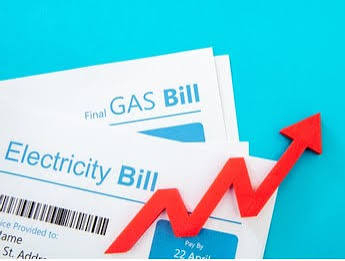
WASHINGTON, D.C. — Millions of American households will pay considerably more to heat their homes this coming winter, driven by escalating geopolitical conflicts and broader inflationary pressures on energy markets.
According to a new analysis by the National Energy Assistance Directors Association (NEADA), overall heating expenses are expected to climb by an average of 8.7% nationwide during the upcoming winter season, which spans from mid-November to mid-March.
The sharpest financial strain will fall on households that rely on home heating oil, with expenses projected to jump by 31.3%. NEADA estimates these families will pay roughly $2,300 for the season—an increase largely spurred by the war in Iran, which has severely disrupted global crude oil supplies and driven fuel markets to near-record levels. Because heating oil and diesel are derived from similar petroleum feedstocks, international supply chain chokepoints and tight refinery inventories have disproportionately pushed up prices for distillate fuels.
Weather Mitigations vs. Broader Economic Pressures
While meteorologists anticipate a relatively mild winter overall due to El Niño weather patterns, energy analysts emphasize that temperature alone will not be enough to shield consumers’ wallets. Higher baseline retail electricity and natural gas rates mean that even modest fuel consumption will yield higher monthly utility bills.
The price hikes come at a challenging time for consumers who are already dealing with elevated expenses for everyday necessities:
- Stretched Household Budgets: Persistent inflation in grocery staples, vehicle insurance, and retail gasoline has left low- and middle-income families with less discretionary income to absorb sudden utility spikes.
- Data Center & Grid Demand: Beyond global crude dynamics, domestic electricity prices are facing upward pressure due to rising regional demand—driven in part by commercial infrastructure like artificial intelligence data centers—and ongoing utility investments in grid modernization.
- Low-Income Vulnerability: Energy advocates warn that rising heating costs could lead to increased utility arrears and shutoff risks for vulnerable households. Program directors are urging eligible families to apply early for federal heating assistance through the Low Income Home Energy Assistance Program (LIHEAP).
As winter approaches, energy analysts advise homeowners to schedule furnace maintenance, seal drafty doors and windows, and explore budget-billing options with local utility providers to spread out costs during the peak winter months.

