

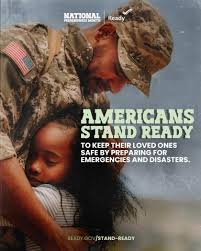
WASHINGTON — With September designated as National Preparedness Month, federal officials are encouraging families and business owners across the nation to take proactive steps to prepare for unexpected emergencies and natural disasters.
The Federal Emergency Management Agency (FEMA) announced that the theme for the 2026 National Preparedness Month campaign is “Americans Stand Ready.” Managed through FEMA’s Ready Campaign—which has observed the annual tradition since 2004—the initiative highlights civic duty, self-reliance, and individual readiness to ensure households and communities can respond effectively to sudden emergencies.
Four Core Actions for Household Readiness
FEMA emphasizes that “preparedness starts at home.” Emergency management officials recommend four essential steps to protect your household and property:
- Know Your Risk: Identify the specific natural disasters and local hazards common to your area—ranging from severe storms and flooding to power outages and extreme weather.
- Make a Family Emergency Plan: Establish clear communication channels, designated meeting locations, and planned evacuation routes. Be sure to tailor plans to account for specific household needs, including seniors, individuals with disabilities, and pets.
- Build an Emergency Supply Kit: Assemble a portable supply kit designed to sustain your household for at least 72 hours. Basic kits should include:
- Non-perishable food items and a manual can opener.
- Water (one gallon per person per day).
- A battery-powered or hand-crank NOAA weather radio and flashlight.
- A basic first aid kit, extra batteries, and prescription medications.
- Copies of important personal, financial, and insurance documents in a waterproof container.
- Get Involved in Your Community: Take action locally by enrolling in basic CPR and first aid training, joining a local Community Emergency Response Team (CERT), or taking free independent study courses through FEMA’s Emergency Management Institute.
Why Early Planning Matters
Officials emphasize that taking simple steps now saves critical time and money while reducing stress during a crisis. Gathering supplies gradually over time and keeping insurance policies updated can significantly cushion the economic impact when disasters hit.
Residents seeking free planning templates, printable emergency kit checklists, and regional safety resources can visit the official campaign site at Ready.gov.