

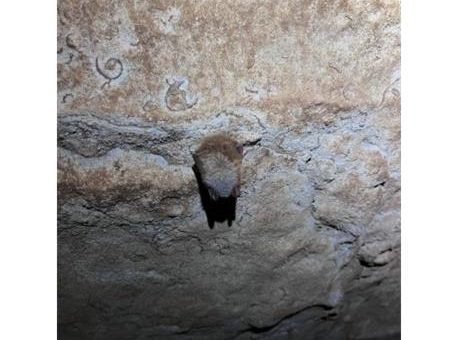
BEDFORD — The Forest Service has expanded seasonal cave closures across the Hoosier National Forest to better protect vulnerable bat species during their most critical lifecycle periods. The updated forest order closes caves annually from August 16 through May 14, reducing human disturbance during fall swarming, hibernation, and spring emergence.
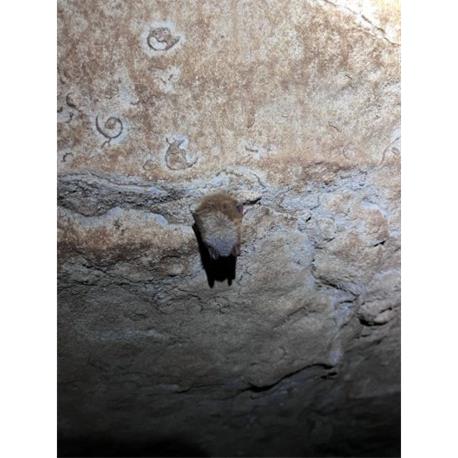
The Importance of Bats
Healthy bat populations help sustain forest health and support Indiana’s agricultural economy. As the nation’s most important predators of night‑flying insects, bats contribute an estimated $3.7 billion each year in natural pest control for U.S. farmers.
Bat Populations Are in Trouble
White-nose syndrome, caused by a non-native, invasive fungal pathogen, has caused steep population declines of four species of forest-dwelling bats in Indiana: Indiana bat, northern long-eared bat, little brown bat and tricolored bat. These species are essential to the state’s ecological balance and agricultural strength.
Bats are also negatively affected by disturbances during their hibernation, such as people entering caves. Disturbance can cause bats to wake and burn essential fat reserves, leaving them without enough energy to survive until warmer weather and insect food sources return.
Conservation Efforts
As land managers, the Forest Service recognizes the role it plays in providing high-quality habitat to support remaining bat populations. Healthy forests provide better habitat for bats and improve their ability to survive.
Our role as managers of national forests and grasslands means we are uniquely situated to be part of the solution. We are committed to doing our part to conserve and enhance bat habitat through consistent forest management approaches and by collaborating with partners to achieve shared bat conservation goals.
That’s why we worked with the U.S. Fish and Wildlife Service to develop the Bat Conservation Strategy, a plan to protect and best help these species increase their populations in the eastern United States. The plan recommends reducing disturbances of caves during their critical lifecycle periods, between August 16 and May 14.
- Beginning in August through mid-November, bats become more active near caves where they plan to hibernate. If disturbed, they may move to lower‑quality hibernation sites, reducing their chances of surviving winter.
- They generally hibernate from mid-November to the end of March.
- About April 1st, bats begin emerging and roosting nearby, as they prepare to migrate to their summer habitats.
How You Can Help
- Stay out of caves and mines where bats are hibernating and honor cave closings.
- Follow the National White-nose Syndrome Decontamination Protocol to clean and disinfect clothes, footwear, and equipment used in caves or mines.
- Report bats showing signs of white-nose syndrome and bats that are dead, dying, or appear diseased to the Indiana Department of Natural Resources.
- Spread the word about the need to save bats.
Interested in Learning More?

