

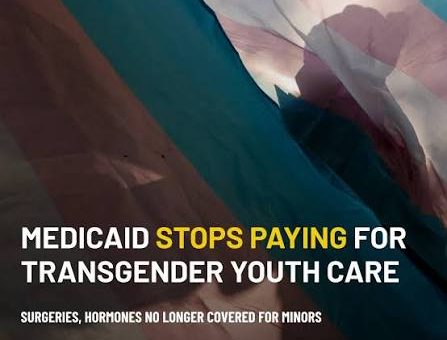
WASHINGTON, D.C. — The federal agency managing Medicaid and the Children’s Health Insurance Program (CHIP) has finalized a regulation that will block federal taxpayer dollars from covering gender-affirming medical treatments for minors.
The final rule, announced by the Department of Health and Human Services (HHS) and the Centers for Medicare & Medicaid Services (CMS), concludes a year-long administrative push by the Trump administration to restrict pediatric gender-affirming interventions.
Scheduled to take effect on October 13, 2026, the regulation prohibits federal matching funds—known as Federal Financial Participation—for puberty-suppressing medications, cross-sex hormone therapy, and surgical procedures for beneficiaries under age 18 in Medicaid and under age 19 in CHIP.
Scope and Implementation Timeline
The rule specifically targets medical and surgical procedures while leaving mental health coverage intact. Under the regulation:
- Hormone Therapy Transition: A six-month grace period starting October 13 will allow existing Medicaid and CHIP beneficiaries currently on hormone therapy to access federal coverage for a clinically managed tapering-off period.
- Mental Health Services: Comprehensive mental health evaluations, psychiatric care, and behavioral health counseling for transgender youth remain fully covered by federal funds.
- State Impact: The rule strictly limits federal financial participation. Individual states retain the option to continue offering coverage for these treatments using state-only tax dollars.
While HHS did not specify the exact number of children currently receiving gender-affirming treatments through federal programs, an estimated 130,000 transgender youth enrolled in Medicaid or CHIP reside in states that do not currently prohibit youth gender care. CMS projects the funding restriction will reduce federal outlays by approximately $175 million over the next decade.
Administration Rationale vs. Medical Consensus
Administration officials cited an internal HHS research review and international evidence evaluations—including the United Kingdom’s Cass Review and systematic reviews from Sweden and Finland—as the basis for the decision, arguing that pediatric interventions carry unproven benefits and significant safety risks.

“We are not going to pay for our innocent children to undergo these barbaric surgeries and practices, which result in unthinkable and irreversible harm to their young bodies,” President Donald Trump stated following the announcement.

CMS Administrator Dr. Mehmet Oz echoed those sentiments in an official statement, emphasizing child safety:
“Children deserve our protection, not experimental interventions that pose serious risks and convey no proven benefits,” Dr. Oz said, adding that the policy protects “children from potentially irreversible harm.”
However, the administration’s conclusions run counter to the established consensus of major medical organizations. More than 30 leading health and medical associations worldwide—including the American Academy of Pediatrics, the American Medical Association, and the American Psychological Association—support age-appropriate gender-affirming care for transgender youth and adults, noting that access to care significantly reduces depression, anxiety, and suicide risk among vulnerable adolescents.
Political and Legal Reaction
The move sparked immediate pushback from congressional leaders and civil rights advocates. Rep. Mark Takano (D-CA), chairman of the Congressional Equality Caucus, strongly condemned the administration’s policy directive.
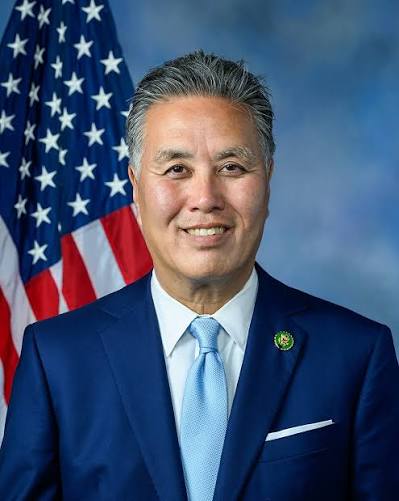
“Decisions about a young person’s care should be between the patient, their parents, and their provider – not politicians,” Takano said, describing the rule as “another cruel, overreaching attack” on transgender youth.
The finalized rule marks the culmination of a multi-step campaign by the administration that began with an executive order in early 2025. Since then, HHS Secretary Robert F. Kennedy Jr. and federal regulators have exerted increased pressure on healthcare systems, drug manufacturers, and medical device makers—including Food and Drug Administration warning letters targeting manufacturers of medical compression garments.
Legal challenges from health advocacy groups and civil rights organizations are expected before the rule’s October implementation date.