

INDIANA — Heavy rain can cause flooding quickly, especially in low-lying areas, near creeks and rivers, and on roads that do not drain well. Flash flooding can happen with little warning, making it important for residents to know what to do before water starts rising.
Flooding is one of the most dangerous weather hazards because moving water can be deeper and stronger than it appears. Taking a few simple precautions can help keep families safe.
Never Drive Through Floodwater
One of the most important rules during flooding is simple: Turn around, don’t drown.
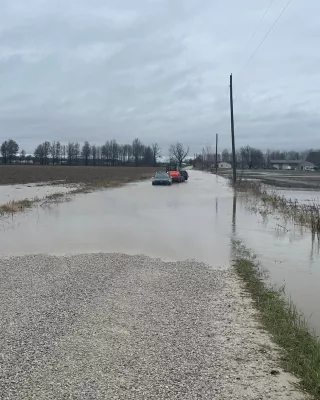
Never drive through a road covered by floodwater. It can be difficult to tell how deep the water is, and just a small amount of moving water can cause a vehicle to lose control. Floodwater can also hide washed-out roads, debris and other hazards.
If you come across a flooded roadway, turn around and find another route. Do not move or drive around barricades.
Get to Higher Ground
If flooding begins in your area, move to higher ground as soon as it is safe to do so. Avoid low-lying areas, creek beds, ditches and other places where water can collect.
If local officials issue an evacuation order, follow it immediately. Do not wait until floodwater is already surrounding your home before leaving.
Pay Attention to Alerts
Flash flooding can develop very quickly, so staying informed is important.
Keep your cellphone charged and make sure emergency weather alerts are turned on. Pay attention to local weather reports and instructions from emergency officials.
- A Flood Watch means flooding is possible and residents should be prepared.
- A Flood Warning means flooding is happening or is expected soon. Residents in affected areas should take action and move to safety.
- A Flash Flood Warning means dangerous flooding is occurring or about to occur. Get to higher ground immediately if you are in an area at risk.
Stay Out of Moving Water
Never attempt to walk, swim or play in floodwater.
Water that looks shallow can have a strong current underneath the surface. It may also contain debris, sewage, chemicals, broken glass or other dangerous objects.
Children should be kept away from flooded areas, even if the water appears calm.
Be Careful Around Your Home
If water begins entering your home, avoid electrical equipment or outlets that may have come into contact with water. If it is safe to do so, turn off electricity from a dry location or have a qualified professional do it.
Never use a generator, grill or other gasoline-powered equipment inside a home, garage or other enclosed space. These devices can produce deadly carbon monoxide.
Prepare Before the Rain Arrives
A little preparation can make a big difference. Before heavy rain is expected:
- Keep your cellphone charged.
- Have flashlights and extra batteries available.
- Move important documents and valuables to higher locations.
- Bring outdoor furniture and loose items inside or secure them.
- Know which roads and areas near your home are prone to flooding.
- Make sure you know where to go if you need to leave your home.
- Keep necessary medications and emergency supplies where they can be quickly grabbed.
- Check on family members, neighbors or others who may need additional help.
Remember: Floodwater Can Be Dangerous
Flooding does not have to look dramatic to be dangerous. Water can rise quickly, roads can become impassable and conditions can change within minutes.
The safest choice is to avoid flooded areas, stay off flooded roads and follow instructions from local emergency officials.
If you encounter floodwater while driving, don’t take a chance. Turn around and find a safer route.

