

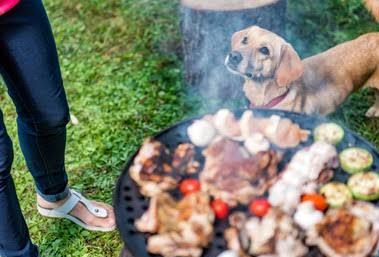
INDIANA – As families fire up the grill for backyard cookouts and outdoor gatherings as the Labor Day holiday approaches, pet experts and veterinary organizations are warning dog owners that several popular barbecue staples pose severe health risks to four-legged guests.
Tom Sadler, a pet expert at Furvelo.com, along with veterinary health professionals, has identified eight common cookout foods that can cause severe illness, internal blockages, or life-threatening toxicity in dogs—even in small amounts.

“With many families across America planning barbecues for grilling season, pet owners must know which foods could send their dog to the emergency vet,” Sadler said. “These eight barbecue favorites can cause serious harm to dogs even in small amounts.”
The 8 Most Dangerous BBQ Foods for Dogs
- Hot Dogs: While a common treat, hot dogs are loaded with high levels of sodium, preservatives, and fatty processed meat that can upset a dog’s digestive system or trigger painful, acute pancreatitis. Additionally, their shape makes them a dangerous choking hazard if swallowed whole.
- Corn on the Cob: Plain corn kernels off the cob are generally safe, but the cob itself is completely indigestible. Discarded cobs are a leading cause of emergency vet visits during summer because swallowed pieces often cause severe intestinal obstructions requiring surgical intervention.
- Ribs: Fatty meat from ribs can irritate a dog’s stomach and lead to pancreatitis. Cooked rib bones easily splinter, creating sharp shards that can cause choking, mouth lacerations, or internal punctures.
- BBQ Sauce: Many commercial barbecue sauces contain high amounts of sugar, salt, onion powder, and garlic powder. Furthermore, some low-sugar or specialty varieties contain xylitol (or birch sugar), an artificial sweetener that causes a rapid, life-threatening drop in blood sugar and acute liver failure in dogs.
- Ketchup: Like BBQ sauces, ketchup contains elevated levels of salt and sugar, as well as hidden onion and garlic powders that irritate a dog’s gastrointestinal tract.
- Onions (and Alliums): Raw, cooked, or powdered onions—along with garlic, shallots, and chives—contain toxic compounds that destroy a dog’s red blood cells, leading to Heinz body anemia. Symptoms include severe lethargy, pale gums, weakness, and loss of appetite.
- Chicken Bones: Cooked chicken legs, wings, and thighs become brittle and splinter easily, posing a direct threat of choking, esophageal damage, or stomach punctures.
- Alcohol: Dogs are exceptionally sensitive to alcohol. Leftover beer, unattended cocktails, or spiked punches can cause rapid intoxication, vomiting, severe central nervous system depression, breathing difficulty, and dangerous drops in body temperature or blood sugar.
Additional Cookout Hazards to Watch
In addition to the main feast, veterinary organizations like the American Kennel Club (AKC) and the ASPCA remind pet owners to watch for secondary outdoor risks:
- Wooden and Metal Skewers: Used kebab sticks can puncture a dog’s mouth, esophagus, or stomach if swallowed whole.
- Hot Grills and Drip Trays: Curious pets can suffer severe burns from unattended grills or contract bacterial illnesses and pancreatitis from licking greasy drip pans or grill cleaning chemicals.
- Salty Snacks and Desserts: Potato chips and pretzels can lead to sodium poisoning, while chocolate desserts and sugar-free treats containing xylitol pose severe toxic threats.
How to Keep Pets Safe
Sadler recommends establishing a designated pet-safe zone equipped with shade, fresh water, and dog-safe alternatives—such as small pieces of plain, unseasoned cooked chicken, raw cucumber slices, baby carrots, or specialized dog treats.
Hosts should clearly communicate dietary rules to visitors before the party starts. “Make sure all your guests know not to feed your dog scraps, no matter how pleadingly they look up with those eyes,” Sadler advised. “It takes just one well-meaning guest to cause a severe problem.”
If a dog ingests a dangerous item or exhibits signs of distress—such as persistent vomiting, dry heaving, weakness, or abdominal pain—owners should contact their veterinarian or an emergency animal poison hotline immediately.

