

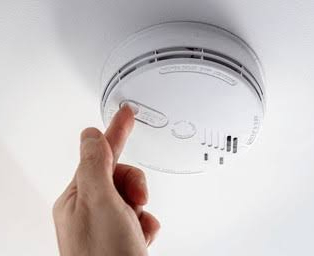
WASHINGTON, D.C. — An estimated 16 million American homes are equipped with smoke alarms that do not work—primarily due to dead or missing batteries—posing a severe threat during residential fires, according to the U.S. Consumer Product Safety Commission (CPSC).
More than 2,200 people die each year in unintentional home fires across the United States. Federal safety officials emphasize that almost two-thirds of those fatal incidents occur in residences without functioning smoke alarms. A properly operating smoke detector can cut the risk of dying in a residential fire by nearly half.
Minutes to Escape: Why Early Warning Matters
Fire safety experts stress that occupants have far less time to escape a residential blaze than most assume. In a typical home fire, residents may have as little as one to three minutes to safely evacuate once an alarm sounds before high heat, smoke, and toxic gases become incapacitating or fatal.
When an alarm fails to sound—whether due to expired batteries, improper removal following false alarms, or manufacturing defects—it eliminates the primary early-warning system needed to survive.
Warning Issued for Defective Online Detectors
Adding to safety concerns, the CPSC has issued urgent public warnings regarding defective combination smoke and carbon monoxide detectors sold on major e-commerce platforms, including Amazon.
According to federal regulators, multiple combination alarms manufactured by overseas companies fail UL 217 voluntary safety standards and do not sound an alert when smoke is present during a fire. Several overseas manufacturers have refused to cooperate with official recall requests issued by the CPSC.
Consumers are urged to inspect their home detectors immediately and dispose of any units carrying Model Number JSN-JY-909COM. These defective combination alarms have been sold under various brand names, including:
- BQQZHZ
- PetUlove
- ORIKLON
- SENCKIT
- Kingebai
- Gaoducash
- LDASEC
- AMS
If you own one of these units, safety officials advise removing the batteries, discarding the device in the trash, and replacing it immediately with a certified alarm from a reputable manufacturer.
Essential Smoke Alarm Safety Checklist
To protect your home and family, fire prevention agencies recommend the following guidelines:
- Strategic Placement: Install smoke alarms on every level of the home, outside sleeping areas, and inside every bedroom.
- Combine Technologies: Install both ionization (faster at detecting flaming fires) and photoelectric (faster at detecting smoldering fires) alarms, or dual-sensor models, for comprehensive protection.
- Ensure Backup Power: Verify all hardwired alarms have battery backups so they function during power outages.
- Test Monthly: Press the test button on every alarm once a month. Replace batteries immediately if the unit fails to sound.
- Annual Battery Changes: Replace disposable batteries at least once a year—using the start or end of Daylight Saving Time as an annual reminder.
- Replace 10-Year-Old Units: Replace entire smoke alarm units every 10 years, as internal sensors degrade over time.
- Never Disable Alarms: Avoid removing batteries to quiet nuisance cooking alarms. Instead, clear the air with a fan or relocate the alarm further from the kitchen.
- Practice an Escape Plan: Develop and regularly practice a household fire escape plan that includes two designated exit routes per room and an outside meeting spot.
Consumers who experience a failure with a safety device or suffer a product-related injury can report the incident to federal regulators at SaferProducts.gov or by calling the CPSC Hotline at 800-638-2772.