


WASHINGTON, D.C. — A common misconception among retirees is that Medicare Part B premiums are calculated as a percentage of an individual’s monthly Social Security check. However, federal guidelines dictate that the standard Part B premium is determined by the overall operational costs of the Medicare program rather than personal benefit amounts.
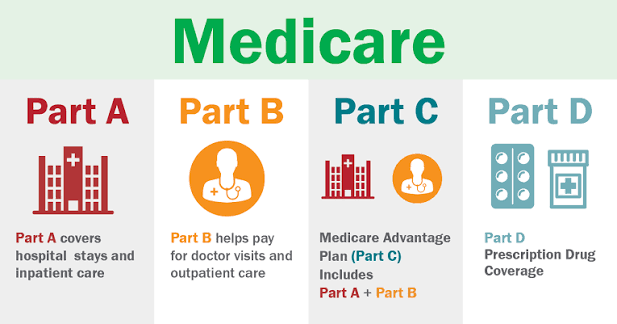
Every October, the Centers for Medicare & Medicaid Services (CMS) sets the Medicare Part B premium rates for the upcoming calendar year based on anticipated national program expenses.
How CMS Calculates the Standard Premium
By law, premiums paid by Medicare Part B enrollees are designed to cover roughly 25% of the total projected costs of the Part B program, with the federal government covering the remaining 75%.
To determine the individual cost, CMS takes 25% of the expected national Part B expenditures and divides that figure by the total number of projected enrollees. This calculation yields the nationwide “standard” monthly Part B premium. For 2026, the standard Part B premium is $202.90 per month. CMS will announce the standard rate for 2027 in October 2026.
Lower-Income Protections and the “Hold Harmless” Rule
While the standard premium applies to most beneficiaries, exceptions exist for lower- and higher-income individuals.
For lower-income seniors, a statutory rule known as the Hold Harmless provision prevents a person’s net Social Security benefit from decreasing year-over-year due to a Medicare premium hike. If a given year’s Social Security Cost-of-Living Adjustment (COLA) is not large enough to cover an increase in the standard Part B premium, the beneficiary’s premium increase is capped to ensure their monthly Social Security payment remains stable.
Higher-Income Adjustments: What to Know About IRMAA
Conversely, higher-income beneficiaries are required to pay more than the standard Part B rate through a surcharge known as the Income-Related Monthly Adjustment Amount (IRMAA).
Key details regarding IRMAA include:
- Sliding Scale Structure: IRMAA adds a tiered surcharge on top of the standard Part B premium based on an individual’s modified adjusted gross income. For individuals in the highest income brackets, total Part B premiums can reach as much as $690 per month.
- The Two-Year Lookback Rule: To determine if a beneficiary owes IRMAA for an upcoming year, federal agencies evaluate the income reported on tax returns filed two years prior. For example, tax data from two years prior is used because it represents the most recent fully processed IRS record available when CMS sets rates each October.
- Part D Impact: IRMAA surcharges are not limited to medical coverage; higher-income beneficiaries subject to Part B IRMAA must also pay an additional monthly surcharge for their Medicare Part D prescription drug coverage.
Ultimately, while Medicare Part B premiums are typically deducted directly from monthly Social Security payments for convenience, the actual dollar amount charged is tied to national healthcare costs and individual income tax returns—not the size of a recipient’s Social Security check.