

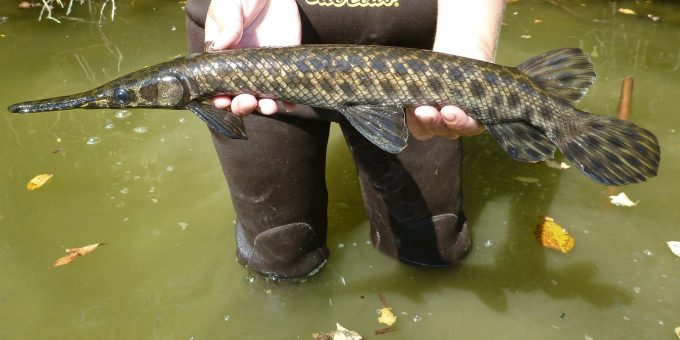
INDIANA – Indiana’s natural lakes and reservoirs are bustling with life under the surface, and the Indiana Department of Natural Resources (DNR) is deploying its fisheries biologists once again this summer to monitor that aquatic health.
As part of the agency’s ongoing Fisheries Status & Trends Program, research teams are launching statewide surveys to evaluate fish communities, water quality, and critical aquatic habitats across multiple Indiana counties.
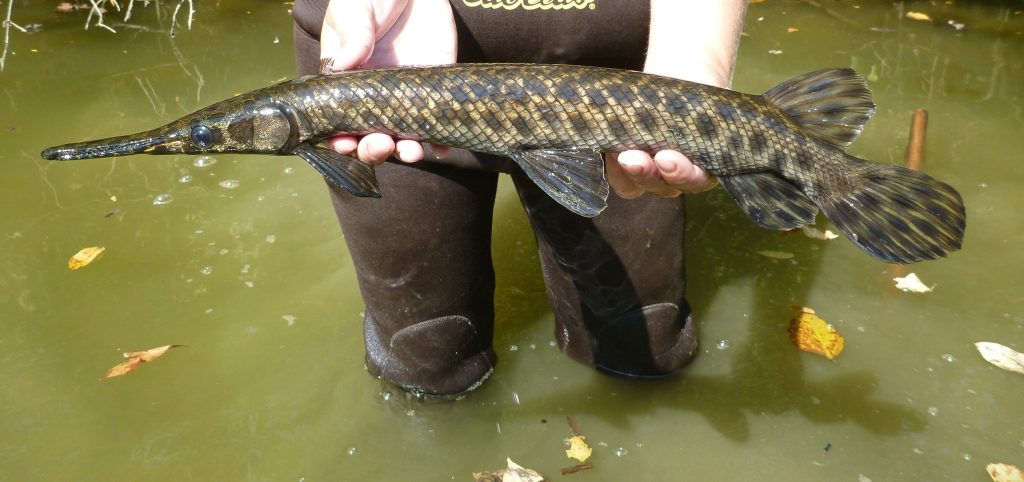
Since the program’s inception in 2010, DNR biologists have meticulously gathered data from hundreds of natural glacial lakes and man-made reservoirs across Indiana. To capture a true representation of each lake’s ecosystem, crews utilize a randomized sampling schedule during May and June.
Biologists rely on a combination of three specialized sampling methods to safely collect, identify, and measure various species before immediately releasing them back into the water:
- Nighttime Electrofishing: Sending a mild, localized electrical current through the water to briefly stun fish so they can be easily netted and assessed.
- Trap Nets: Set along the shoreline to safely capture fish moving through shallow waters.
- Gill Nets: Positioned in deeper waters to sample open-water species.
These comprehensive surveys have successfully documented the location and presence of more than 60 different fish species in Indiana’s lake systems. The data generated tracks popular sport fish like bluegill, largemouth bass, and yellow perch, alongside unique or lesser-known native species such as bowfin, spotted gar, lake chubsucker, yellow bullhead, and white sucker.
The program looks far beyond just the fish populations themselves; it acts as a comprehensive physical for the entire ecosystem. Biologists conduct detailed dissolved oxygen and water temperature profiles during the summer months. This temperature mapping allows resource managers to quantify the exact availability of warm, cool, and coldwater habitats—the latter of which is strictly necessary for sensitive native species like Northern pike and cisco to survive. Advanced hydroacoustic mapping and vegetation surveys are also used to track the health of native underwater plant life.
This data collection arrives at a vital time, as Indiana’s lakes face mounting modern ecological pressures. According to DNR data, agricultural runoff, chemical fertilizers, and heavy sediment contamination threaten to cloud the state’s waterways and degrade native spawning environments. Furthermore, problematic invasive species like Eurasian watermilfoil place massive stress on conservation budgets, costing the state nearly $1 million annually in eradication efforts alone.
Securing the Future of Hoosier Recreation
The year-to-year data compiled by the Fisheries Status & Trends Program gives resource managers the precise information needed to identify ecological shifts, protect clean drinking water reservoirs, and combat habitat loss. Ultimately, these efforts ensure that high-quality fishing, boating, and outdoor recreation remain vibrant for future generations of Hoosiers.
Anglers and conservationists interested in exploring these metrics can access the DNR’s online Status & Trends Fisheries Survey Results dashboard. The interactive tool allows users to view lake-specific catch rates, historical fish species richness, and size-frequency charts across the state.
Hunters and anglers looking to learn more about the state’s natural resources can explore public lands using the DNR’s interactive “Where to Hunt” map, or reach out to state educators directly at Learn2hunt@dnr.IN.gov.

