


INDIANA — The Indiana Department of Natural Resources (DNR) Division of Historic Preservation & Archaeology has announced the addition of eight new listings to the National Register of Historic Places. Approved in March 2026, the newly designated selections encompass commercial and residential districts, churches, cemeteries, a school, a farm, and a historic bridge—collectively adding roughly 239 historic resources to the National and State Registers.

While the designations span the state, southern Indiana saw a major recognition of its cultural and architectural legacy, with three pivotal properties in Daviess and Orange counties securing a spot on the prestigious national registry.
Daviess County: Honoring Black History in Washington
In Daviess County, the National Register added the Beulah A.M.E. Church and Dunbar School, a pair of historic brick, gable-front buildings that stand as monumental testaments to the early African American community in Washington. Located on adjacent lots on the city’s west side—a neighborhood historically referred to as “Boxtown”—the land for both structures was originally donated by a prominent local African American family.
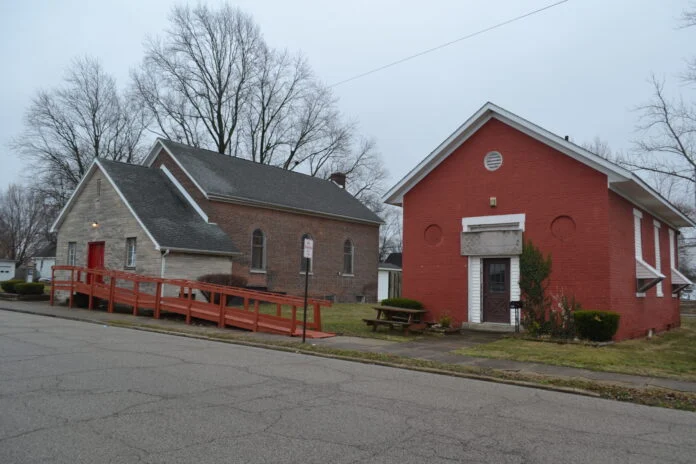
- Beulah A.M.E. Church (Built 1883): Serving its local African American congregation for over a century, the church features historic stained art glass windows and its original wooden entry doors. Though a shorter, random-coursed rusticated limestone ashlar entry addition was built onto the front façade in 1952, the church’s late-19th-century character remains strongly preserved.
- Dunbar School (Built c. 1890): Located next to the church, this structure originally stood as a two-story schoolhouse built to educate the area’s Black youth. Although it was eventually modified to one story after its tenure as an educational institution ended, the building successfully retains its original first-story composition and window openings. Today, both buildings continue to serve the active A.M.E. congregation.
Orange County: Architectural Gems in Springs Valley
Further south, Orange County secured two distinct placements on the National Register, representing both urban ecclesiastical design and rural 19th-century transportation history.
1. French Lick Methodist Episcopal Church (1914)
Also known locally as the Springs Valley Methodist Church, this architectural landmark anchors a prominent rising hill on the southwest corner of downtown French Lick.
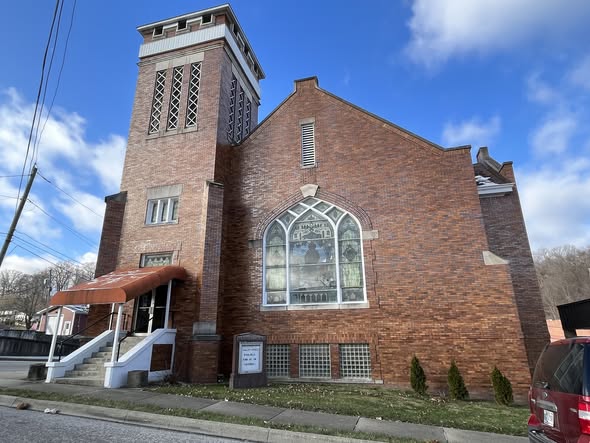
Designed by the renowned Evansville firm Clifford Shopbell & Co., the church is considered the finest local example of the “Akron Plan”—a layout highly favored by Indiana Protestant congregations of the era. Its striking Gothic Revival exterior features glazed brick walls, an impressive collection of stained art glass windows set on stone sills, and a crenelated corner entry tower boasting angled buttresses and a lattice-work belfry.
2. The Maples Farm (1841–c 1910)
Situated in nearby West Baden Springs, The Maples Farm is a remarkably preserved mid-to-late-19th-century farmstead. The property is centered around a two-story Federal-style home constructed in 1841 by James P. Campbell.
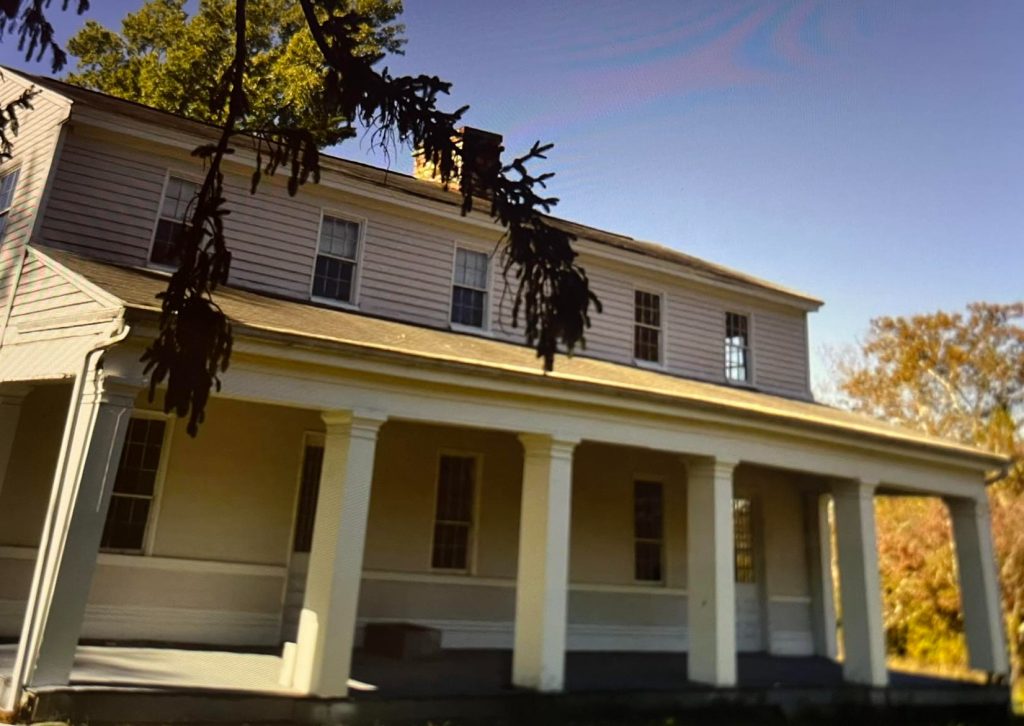
The home tells a unique story of early American travel, having served as a prominent stagecoach inn along the historic Vincennes-New Albany Road, widely known as the “Buffalo Trace”. The structure showcases original 9/6 and 6/6 wood windows, a central chimney, and a massive full-width Greek Revival front porch supported by six square wood columns with Doric capitals—an enhancement likely added during a seamless 1850 expansion. Historians note the home’s layout may reflect an early Quaker architectural influence imported from the southern coastal United States by the region’s early settlers.
The homestead is rounded out by a c. 1870 front-gabled carriage house and a diverse collection of outbuildings split across two distinct eras of agricultural development, bridging 19th-century pioneer farming with the early-20th-century “Golden Age” of agriculture.
While Daviess and Orange counties headline the state’s southern updates, the March 2026 registry expansion also formally recognized several other highly significant locations across Indiana:
- Allen County: Irishtown Commercial Historic District and the Maple Place Historic District (Fort Wayne).
- Marion County: Floral Park Cemetery and Washington Park Cemetery (Indianapolis).
- Marshall County: Center Street Stone and Concrete Arch Bridge (Bremen vicinity).
- Steuben County: Fox Lake Historic District Expansion (Angola vicinity), highlighting a legendary mid-century resort frequently featured in the Negro Motorists Green Book.
For more detailed information regarding the individual historic boundaries, architectural surveys, or to look up properties listed in the Indiana Register of Historic Sites and Structures, residents can visit the state’s official database portal at on.IN.gov/SHAARD.

