

INDIANA — Every May, a spectacular natural phenomenon takes over the skies of the Hoosier State. Hundreds of species of birds are currently passing through Indiana on their annual spring migratory routes, offering local birders and nature lovers a brief, delightful window to observe vibrant species not normally found in the local landscape.
For those looking to catch a glimpse of these seasonal travelers, wildlife officials recommend grabbing a pair of binoculars and hitting the Indiana Birding Trail. Utilizing the trail’s online interactive map makes it easy to find premier birding hotspots nearby, but three distinct locations across the state stand out as must-visit destinations this month.
Yellowwood State Forest (Brown County)
Characterized by the iconic rolling hills and deep ravines of south-central Indiana, Yellowwood State Forest boasts a remarkably rich bird population that thrives year-round, but peaks sharply in mid-May.
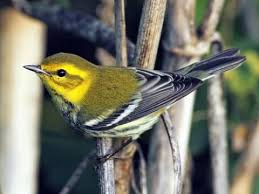
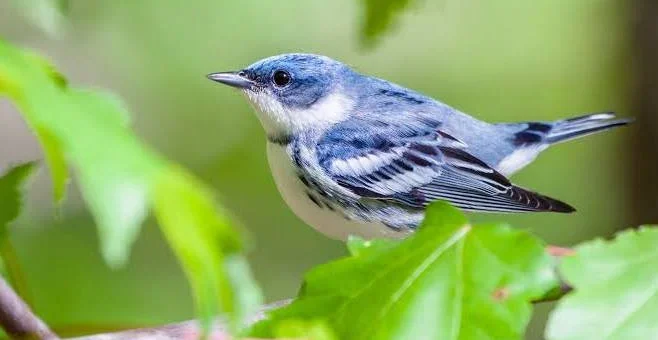
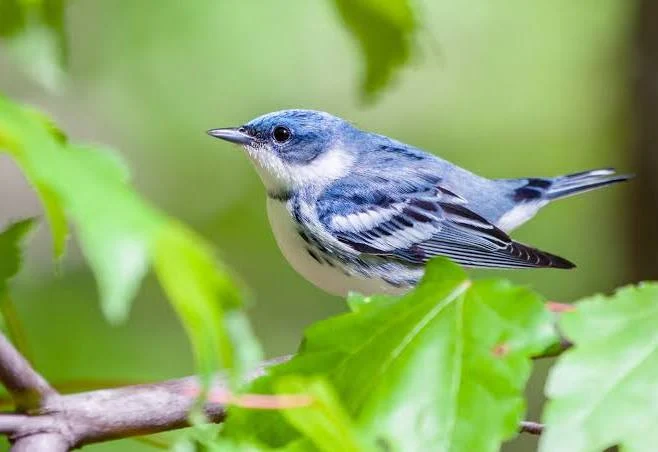
- The Spring Attraction: Locally breeding warblers are the main event right now. Birders can spot specialties like the Hooded, Worm-eating, Cerulean, Prothonotary, and Kentucky warblers. Hiking through the forest can yield 16 to 17 different breeding warbler species, with an additional 10 to 12 migratory species passing through.
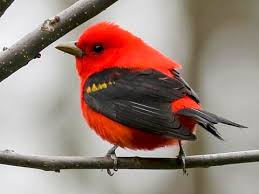
- Summer & Beyond: As spring fades into summer, Scarlet and Summer Tanagers take over, alongside Baltimore and Orchard Orioles near Yellowwood Lake. Late fall even brings the distinct possibility of spotting a wintering Golden Eagle.
- Access: The forest features a 4.5-mile loop trail around Yellowwood Lake and the 4.7-mile Scarce O’ Fat Loop. For a more relaxed experience, birders can park in pull-offs and birdwatch directly from the low-traffic gravel surfaces of Yellowwood Lake Road and Dubois Ridge Road.
Pisgah Marsh Nature Preserve (Kosciusko County)
Nestled on the intersection of Kosciusko, Noble, and Whitley counties in northeast Indiana, this 118-acre hidden treasure is an ecologically sensitive and biologically diverse haven.
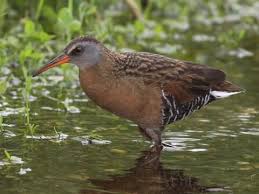
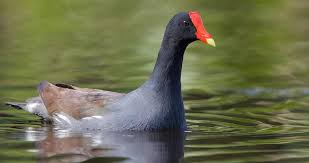
- The Habitat: Grassland, marsh, lake, and upland habitats.
- What to See: The wetlands provide crucial pitstops for migratory waterfowl, rails, and sandhill cranes, alongside residents like beavers, muskrats, and deer. The preserve is also home to two state-endangered species: the Massasauga rattlesnake and the Blanding’s turtle.
- Access: Located in Washington/Tippecanoe Township (accessible via IN-5 S from Ligonier). It features an ADA-accessible boardwalk and the Golden Eagle Viewing Deck, designed to let visitors experience the marsh safely without disrupting the fragile ecosystem.
Pine Hills Nature Preserve (Montgomery County)
Spanning 470 acres, Pine Hills holds the historic distinction of being Indiana’s very first dedicated nature preserve, gifted to the state by The Nature Conservancy in 1961.
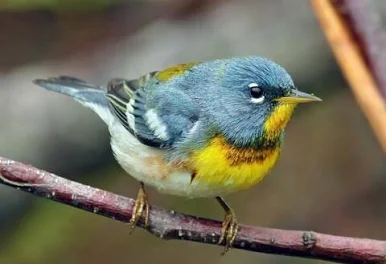
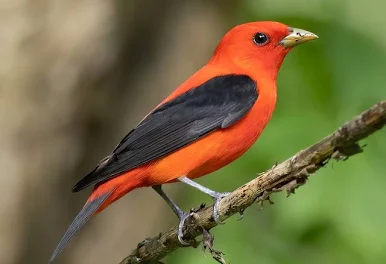
- The Terrain: Rugged, deep canyons, honeycomb rock formations, and rushing streams. The trails feature long staircases and steep drops, requiring hikers to watch their footing carefully.
- What to See: The high, narrow ridge-lines—such as the famous “Devil’s Backbone”—offer unique, near-eye-level views of treetop-dwelling species like the Northern Parula and Scarlet Tanager. Historically, the preserve’s native pines and eastern hemlocks serve as one of only two dependable summer nesting locations in the entire state for the rare Blackburnian Warbler (the other being the Indiana Dunes). Wood Thrushes, Ovenbirds, and Kentucky Warblers are also summer staples here.
Migratory songbirds are most active and vocal in the early morning hours just after sunrise. When traversing dense forest trails like those at Pine Hills or Yellowwood, listen for unfamiliar songs and look for movement in the mid-to-upper tree canopy where traveling warblers feed on insects.