

INDIANA – Summer can be stressful and chaotic for some families. When kids are out of school, it can be difficult for parents and guardians to keep them busy all day. Having a plan or a “bucket list” for the summer can be helpful for families.
Meaningful summer activities for kids don’t have to be expensive or overly structured. The key is to give them chances to grow, explore, and feel capable.
Here are some strong ideas:
1. Reading challenges or library programs – These programs help prevent the “summer slide,” where kids lose academic skills. Reading also builds imagination, focus, and confidence, especially when kids get to choose what they read. Get involved with your local library’s summer programs, which are usually free and have activities planned for different age groups.
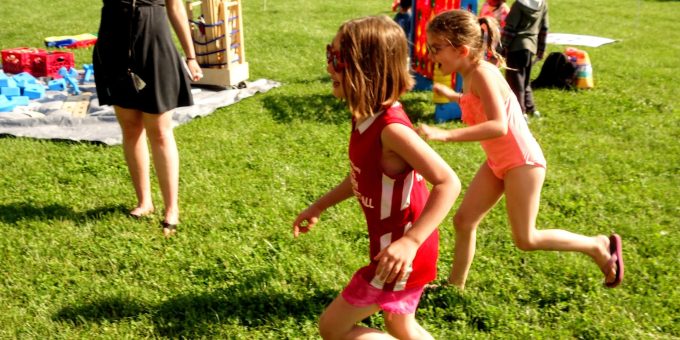
2. Outdoor play and nature exploration – Think about exploring parks, hiking, gardening, or even just enjoying unstructured backyard time. These activities support physical health, reduce stress, and help kids develop creativity and problem-solving skills without constant adult direction. A do-it-yourself (DIY) scavenger hunt can be easy to throw together and completely free. The more time kids spend outside, the better it is for their mental health and overall mood.
3. Chores and responsibility-building tasks – Giving kids regular responsibilities (laundry, cooking simple meals, helping with younger siblings) builds independence, accountability, and life skills they will use. Create a chart to hang on the refrigerator, with different chores and responsibilities for their specific age each day. It can be as easy as “making your bed” or “taking out the trash.”
4. Creative projects (art, music, building, journaling) – Creative outlets allow kids to express emotions, build patience, and take pride in finishing something. It’s also great for kids who may not thrive in traditional academic settings. Creative outlets may include designing and creating a journal for them to write in every day, painting rocks, or a simple craft in the dollar section at Dollar General. For extra creativity points, use items you already have at home to build or create something unique.
5. Community service or helping others – Volunteering, helping neighbors, or doing small acts of kindness teaches empathy, perspective, and a sense of purpose beyond themselves. While you’re at your local park, take a break from playing and pick up trash or volunteer at the local library, checking out books or restocking. Help a neighbor with yard work. Nursing homes and assisted living facilities usually welcome guests to interact with their residents or even eat lunch with them.
6. Social time with peers – Playdates, camps, or team activities help kids practice communication, conflict resolution, and teamwork—skills that don’t come from screens. It’s as easy as inviting a friend over or registering for your local summer camp.
7. Learning a new skill – This could include cooking, riding a bike, coding, or even starting a small business (like a lemonade stand). Learning something new builds confidence and shows kids they can learn through effort.
8. Family time and shared experiences – Game nights, day trips, or even cooking together strengthen relationships and give kids a sense of security and belonging. Whatever you are doing, doing it as a family can be beneficial.
What makes these activities important isn’t just that they keep kids busy; they build independence, emotional skills, and real-world confidence in ways school sometimes can’t.

Maggie Robertson, MSW, LSW, is a Youth First Mental Health Professional at North Daviess Jr-Sr High School in Daviess County. Youth First, Inc., is a nonprofit dedicated to strengthening youth and families. Youth First provides over 100 highly trained mental health professionals (primarily master’s level social workers), prevention programs, parent engagement coordinators, and bilingual support personnel to 130 schools across 14 Indiana counties. Over 55,000 youth and families each year are served by Youth First’s school-based social work and community programs that promote mental health, prevent substance misuse, and maximize student success. To learn more about Youth First, visit youthfirstinc.org or call 812-421-8336.

