

INDIANA — The Indiana High School Athletic Association Board of Directors has approved a new policy allowing high school student-athletes to profit from their name, image, and likeness beginning in the 2026–27 school year.
The measure passed by a 13–5 vote and introduces what the association is calling “Personal Branding Activities,” marking a significant shift in how Indiana high school athletes can engage in commercial opportunities outside of school athletics.
Under the new rules, student-athletes will be permitted to earn money through their personal social media presence, endorsements, appearances, and non-athletic services such as tutoring or youth sports coaching.
However, strict boundaries remain in place. Athletes are prohibited from using school uniforms, logos, or affiliation in any promotional activity tied to these opportunities.
IHSAA Commissioner Paul Neidig said the policy is designed to separate individual opportunities from school involvement while maintaining the educational focus of high school sports.
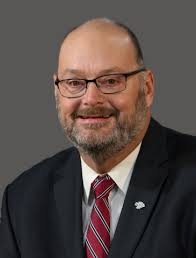
“Unlike the current college system, where schools often play a direct role in NIL compensation, the new rule keeps high schools out of arranging or funding deals for student-athletes,” Neidig said in a news release. “Instead, it allows students to benefit independently from their school, without using school branding or representing school-sponsored endorsements. It creates a clear distinction between the college model and the educational mission of high school athletics.”
The policy also places restrictions on how schools can interact with personal branding opportunities. Schools are not allowed to use “Personal Branding Activities” as a recruiting tool, and student-athletes cannot accept deals or benefits tied to their school or that provide an advantage connected to their athletic program.
That means no endorsements linked to school teams, facilities, or programs, and no financial arrangements facilitated by coaches or school personnel.
Indiana’s decision follows a broader nationwide shift in high school athletics as more states consider or adopt NIL-style policies similar to those seen in college sports. At the collegiate level, the NCAA began allowing athletes to profit from their name, image, and likeness in 2021, leading to widespread changes in recruiting, branding, and athlete marketing.
While some states have moved quickly to align high school policies with the college model, others have taken a more cautious approach, emphasizing academic priorities and concerns about competitive balance and commercialization.
The new policy will take effect at the start of the 2026–27 school year, giving schools time to educate coaches, athletes, and families on compliance rules.
IHSAA officials say additional guidance will likely be released before implementation to ensure clarity around what constitutes permissible personal branding activity.
For now, Indiana joins a growing list of states adapting high school athletics to the evolving landscape of athlete compensation, while still maintaining strict limits designed to preserve the amateur nature of prep sports.

