

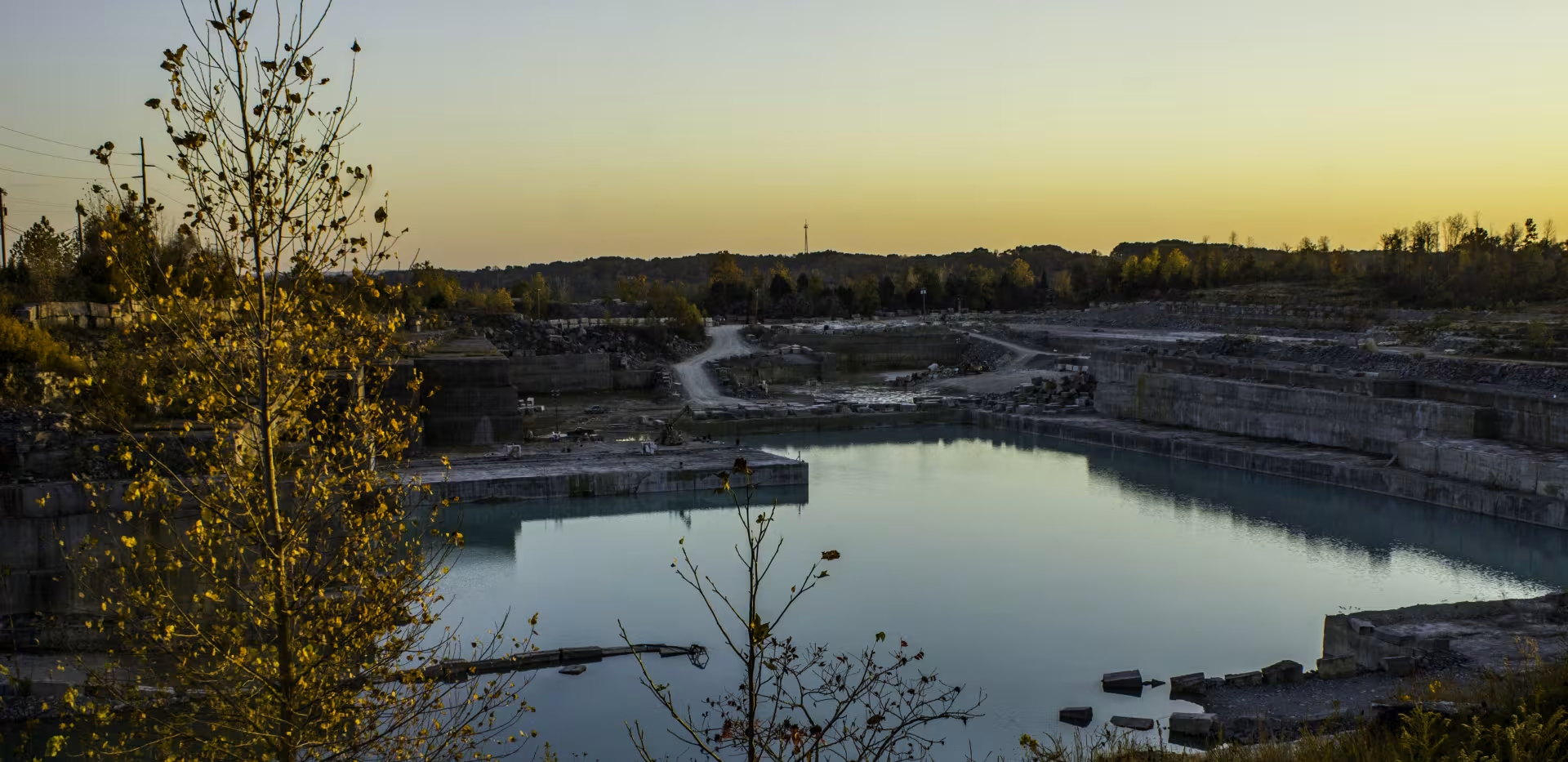
BEDFORD — To many, it’s just a rock. But in Lawrence County, limestone is a legacy, a 35-mile-long, 10-mile-wide geological miracle that has literally built the face of American history.
While neighboring Monroe County shares the “Stone Belt,” Lawrence County has long been revered as “Limestone Country.” From the iconic skyscrapers of New York City to the monuments of Washington D.C., the high-quality Salem Limestone quarried right here in Bedford has been dubbed the “nation’s building stone.”
A Foundation 300 Million Years in the Making
The story of Lawrence County limestone began long before the first settler arrived. During the Mississippian period, an ancient inland sea covered Southern Indiana. The stone is comprised of nearly 97% pure calcium carbonate—the compressed remains of countless prehistoric shells.
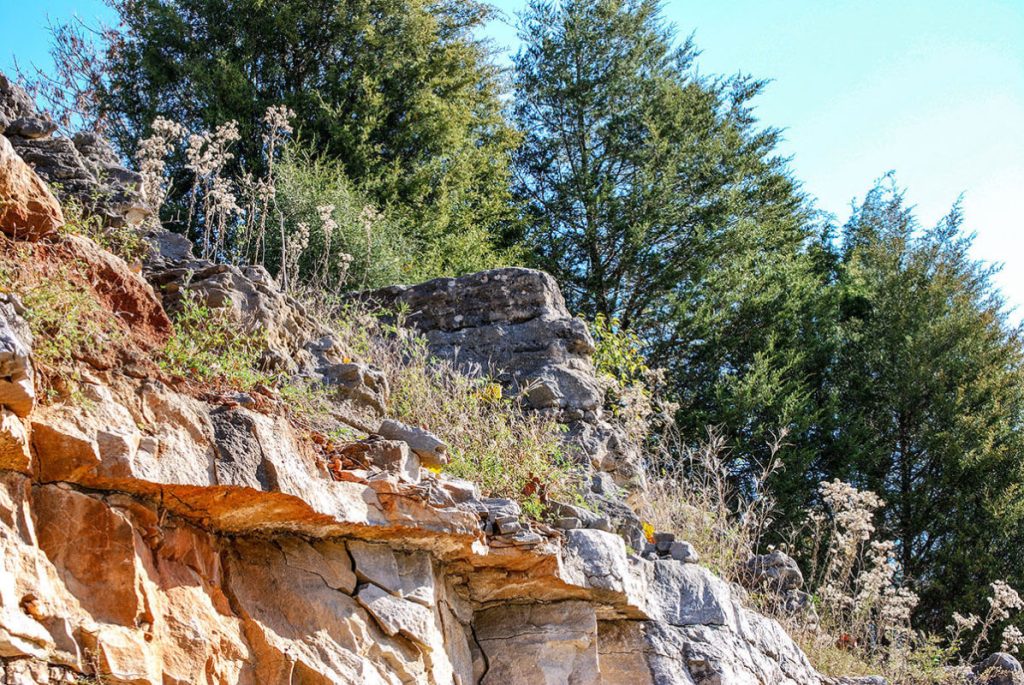
This chemical purity makes the stone uniquely durable yet easy to carve, a trait that attracted master carvers and immigrants from across Europe in the late 19th and early 20th centuries. These craftsmen transformed the raw blocks pulled from quarries in Lawrence County into the intricate art that adorns the Empire State Building, the Pentagon, and the Lincoln Memorial.
The “Bedford Stone” Heritage
Before the late 1800s, locals didn’t realize that the limestone belt was a single continuous strip. In those early days, Lawrence County’s bounty was known simply as “Bedford Stone.” Today, that stone is found in 27 U.S. state capitols and the new Yankee Stadium.
While the post-WWII era saw a brief dip in demand as architects favored glass and steel, limestone saw a “post-war renaissance” on prestigious college campuses. Today, universities like Harvard, Yale, and Indiana University continue to seek out Lawrence County stone for its timeless, efficient, and grand aesthetic.
Exploring the Indiana Limestone Trail
For those who want to “see, touch, and learn” about the stone that built the community, Lawrence County offers a rich map of landmarks and historical sites.
The Oolitic Connection
- Joe Palooka Statue: A towering limestone tribute to the famous comic strip boxer.
- The Steam Channeler: A massive piece of vintage machinery once used to slice through the earth to harvest 90-foot-deep layers of stone.
Bedford: The Heart of the Industry
- The Bedford Walking Tour: Explore the architecture along 14th Street, the City Square, and the Chamber of Commerce building.
- Greenhill Cemetery: Home to “Foote’s Tomb” and some of the most intricate funerary carvings in the Midwest.
- Otis Park Band Shell: A stunning example of local stone craftsmanship in a public space.
Mitchell and Beyond
- Spring Mill State Park: Featuring the historic Spring Mill Inn, a testament to the longevity of limestone construction.
- Bluespring Caverns: A chance to see the limestone from the inside out, where groundwater continues to purify the stone layers below the surface.
10 Fast Facts About Lawrence County Limestone
- State Symbol: Limestone was designated Indiana’s official state stone in 1971.
- Pure Quality: It is 97% calcium carbonate, making it nearly chemically pure.
- Deep Roots: The stone corridor reaches depths of 90 feet below the surface.
- Hilly Origins: Because limestone erodes faster than other rocks, it created Southern Indiana’s signature rolling hills.
- Global Presence: About 15% of the entire Earth’s crust is comprised of limestone.
- The Water Factor: The more groundwater the stone is exposed to, the more “pure” and favorably colored it becomes.
- Ancient History: It is formed entirely from prehistoric shell debris.
- The First Quarry: Richard Gilbert opened the first commercial quarry in the area in 1827.
- Early Names: It was once known locally as “White River Stone” and “Bedford Stone.”
- The Pentagon: Despite its name, the world’s largest office building is wrapped in Indiana’s “building stone.”
As the industry continues to evolve, Lawrence County remains the anchor of the “Stone Belt,” inspiring a new generation of architects and artists to create masterpieces intended to last for centuries.

