

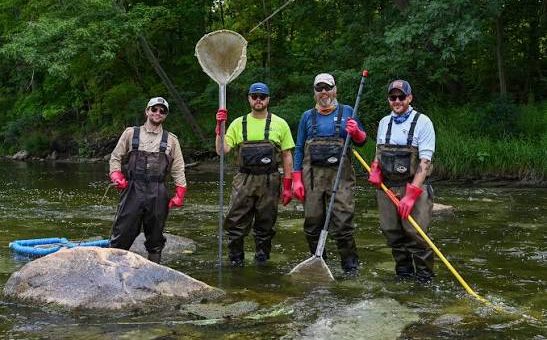
INDIANA — As water temperatures cool across the state, fisheries biologists with the Indiana Department of Natural Resources (DNR) shift their focus to essential lab work: examining fish “aging structures.”
These structures are not historic buildings, but rather hard, calcified body parts—including scales, spines, fin rays, and otoliths (calcium carbonate ear stones located in a fish’s inner ear)—that hold detailed timelines of an individual fish’s growth.
How Biologists Read Fish Growth
As fish grow throughout the year, their hard parts accumulate progressive layers of calcium. Seasonal variations between warm periods of active feeding and cold winter lulls produce visible bands known as annuli.
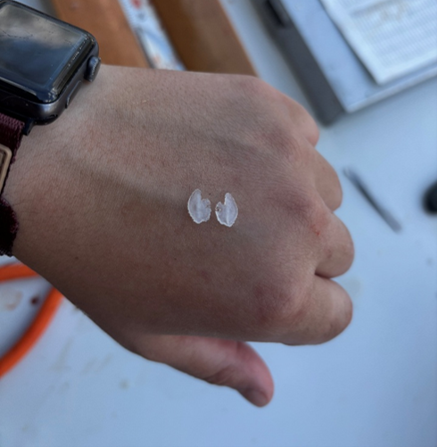
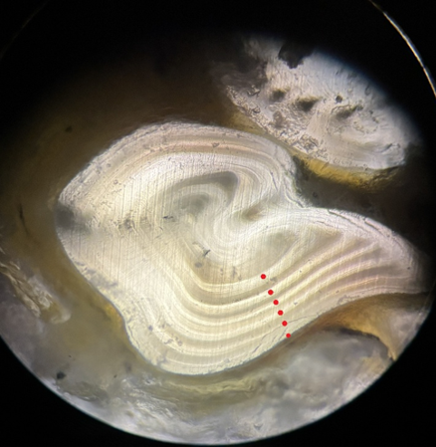
Much like counting rings inside a tree trunk, biologists use microscopic analysis to count these annuli to determine a fish’s exact age. In certain delicate structures like larval otoliths, micro-increments can even reveal a young fish’s age down to the specific day.
While collecting scales or fin spines allows biologists to gather data non-lethally, analyzing internal otoliths provides the most precise growth histories, as they do not reabsorb or erode over time like external scales can.
Informing Statewide Fisheries Management
The data gathered from these structures gives the Indiana DNR critical insights into population dynamics across public lakes, reservoirs, and river systems. Key metrics derived from age sampling include:
- Survival Rates: Tracking how many juvenile fish reach adult maturity.
- Population Stability: Identifying missing age groups or weak year classes caused by poor spawning conditions.
- Growth Performance: Comparing fish length against age to evaluate overall ecosystem health and food availability.
By identifying these population trends, state fisheries managers can make targeted decisions regarding bag and size harvest regulations, habitat enhancement projects, and hatchery stocking efforts.
Hoosier anglers and residents looking to learn more about localized fish health surveys or management projects can reach out directly to their regional Indiana DNR district fisheries biologist.

