

WASHINGTON, D.C. — Yard work may seem like a routine weekend activity, but federal safety officials warn that operating outdoor power equipment carries significant risks.
According to data from the U.S. Consumer Product Safety Commission (CPSC), approximately 230,000 people are treated in hospital emergency rooms every year for injuries related to lawn and garden tools. From walk-behind mowers and chainsaws to hedge trimmers and string trimmers, common outdoor equipment sends a staggering number of Americans to the ER annually—even though most of these injuries are entirely preventable.
The Deadliest Hazards in the Yard
The most dangerous lawn and garden accidents typically involve power equipment operating at high speeds or machines capable of throwing loose debris.
Medical experts and safety officials highlight several severe hazard scenarios:
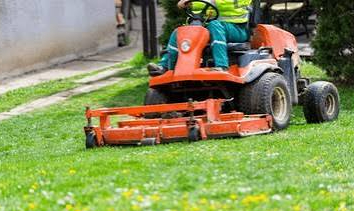
- Riding Lawn Mowers & Garden Tractors: Roughly 75 people are killed, and 20,000 are injured on or near riding mowers each year. Alarmingly, one out of every five deaths involves a child, with most fatalities occurring when a child moves into the path of an operating mower.
- Chainsaws: Kickback—which occurs when the saw chain snags and abruptly hurls the running saw back toward the user—is a leading cause of severe or fatal head and chest injuries. Recent years have also seen major recalls for popular chainsaw models due to chain brake failures that prevent the blade from stopping.
- Walk-Behind Mowers: Primary hazards include blade contact caused by clearing jams while the engine is running, tip-overs on steep slopes, and high-velocity projectiles (such as rocks, metal, or wood debris) thrown by the blades.
- Trimmers & Hedge Cutters: Lacerations from direct contact with moving blades and eye or skin injuries from flying debris represent the vast majority of string and hedge trimmer accidents.
Essential Safety Tips for Outdoor Power Equipment
To prevent severe injuries and safeguard bystanders, safety experts recommend adhering to the following operational guidelines:
- Read the Manual: Always familiarize yourself with the safety mechanisms and operating controls before starting any tool.
- Wear Personal Protective Equipment (PPE): Never operate equipment in sandals, shorts, or loose clothing. Always wear safety goggles, heavy gloves, long pants, hearing protection, and slip-resistant footwear.
- Power Down Before Maintenance: Never reach under a deck or near a cutting mechanism while a machine is running. Turn off electric equipment completely, and disconnect the spark plug wire on gas-powered machinery before making adjustments or clearing jams.
- Clear the Area First: Inspect your yard before work begins. Remove rocks, sticks, toys, wire, and metal objects that could become airborne projectiles.
- Establish a Safe Working Zone: Keep children and pets far away from active equipment. Children are frequently drawn to mowing activity and do not recognize the inherent danger.
- No Passengers Allowed: Never carry children or passengers on riding mowers or garden tractors.
- Never Leave Running Tools Unattended: Shut off machinery completely and remove keys or safety lockouts if you step away.
- Practice Safe Fueling Habits: Allow engines to cool before refueling. Never fill a gas tank while machinery is running or indoors, and store fuel strictly in approved containers away from living spaces and flame sources.
- Inspect Electrical Connections: Ensure extension cords used with electric tools are undamaged, grounded, rated for outdoor use, and properly gauged for the tool’s power draw.
How to Check for Recalled Equipment
In recent years, the CPSC has issued recalls for multiple battery-powered and gas-powered chainsaws—including select models from brands such as Greenworks, Kobalt, Snapper, Worx, and DR Power Equipment—due to fire hazards and faulty chain brakes.
Consumer Advisory: Homeowners are urged to verify whether their yard equipment is subject to open safety recalls by visiting SaferProducts.gov.
To report a dangerous consumer product or an equipment-related injury, visit SaferProducts.govor contact the CPSC Toll-Free Hotline at 800-638-2772.