

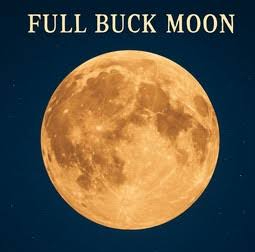
INDIANA – Sky-gazers are in for a midsummer lunar spectacle this week as July’s full moon—traditionally known as the Buck Moon – illuminates the night sky.
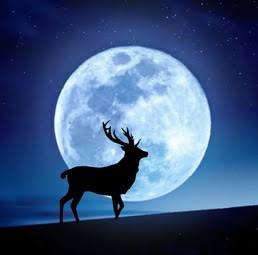
The 2026 Buck Moon will reach its peak illumination on Wednesday, July 29, at 10:36 a.m. Eastern Time (9:36 a.m. Central Time), according to the Old Farmer’s Almanac. The moon will appear opposite the sun below the horizon at its exact peak in North America. However, observers can enjoy a visually stunning, fully illuminated disk after peak illumination.
For the best viewing experience, experts recommend finding a dark location with an unobstructed view of the eastern or southeastern horizon as the sun sets.
Due to seasonal orientation:
- Northern Hemisphere: The moon will trace a low arc across the sky, echoing the daytime path of the sun from mid-winter six months ago.
- Southern Hemisphere: The moon will ride higher in the sky, though slightly lower than during June’s full moon.
In parts of the Northeast and Upper Midwest, atmospheric particles from regional wildfires may cause the moon to take on a striking reddish or orange tint.
If you’ve noticed that the daytime sky doesn’t look as bright blue as usual, that’s the smoke scattering sunlight. The same thing happens with moonlight.
Cultural Origins and Alternate Names
The term Buck Moon originates from Native American and colonial traditions, signaling the time of year when young male deer (bucks) rapidly grow and expand their velvet-coated antlers.
Indigenous cultures across North America hold various descriptive names for July’s full moon:
- Dakota: Moon When the Chokecherries Are Ripe
- Cree: Feather Moulting Moon
- Algonquin / Ojibwe: Raspberry Moon
- Western Abenaki: Thunder Moon, referencing frequent midsummer rainstorms
Globally, the July full moon aligns with major spiritual observances, including Guru Purnima in Hindu and Buddhist traditions and Asalha Puja in Theravada Buddhism.
A Connection to Exploration and Beyond
The arrival of the Buck Moon coincides with the 57th anniversary of the Apollo 11 mission, which marked humanity’s first footsteps on the lunar surface in July 1969. It also follows the milestone Artemis II mission earlier this year, which successfully returned four astronauts to lunar orbit.
In addition to lunar viewing, stargazers can catch the Southern Delta Aquariid and early Perseid meteor showers active in the night sky, along with the Summer Triangle asterism shining high overhead.
Remaining 2026 Full Moon Schedule
If you miss this week’s display, five more full moons remain in 2026, culminating in a pair of winter supermoons:
| Date | Full Moon Name | Notable Features |
| August 28 | Sturgeon Moon | Late summer harvest moon |
| September 26 | Harvest Moon | Nearest full moon to autumn equinox |
| October 26 | Hunter’s Moon | Pre-winter hunting tradition |
| November 24 | Beaver Moon | Supermoon (Closer & brighter) |
| December 23 | Cold Moon | Supermoon (Closer & brighter) |

