

MONROE LAKE — Following weeks of elevated water levels across the reservoir, officials report that water levels at Monroe Lake have been steadily falling over the past three weeks.
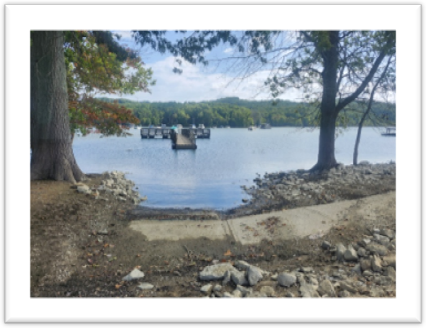
The receding waters have allowed property managers to reopen several areas and facilities around the lake that were previously submerged or inaccessible. However, state officials emphasize that the lake has not yet returned to its normal summer pool level.
What Remains Closed & Restricted
While conditions are improving, several key recreational amenities remain off-limits to visitors as high-water impacts linger:
- Swimming Beaches: All public swimming beaches managed by the Indiana Department of Natural Resources (DNR) at Monroe Lake remain completely closed and are expected to stay closed for the remainder of July.
- Fishing & Trails: All fishing piers and select sections of hiking trails remain inaccessible.
- Access Roads: A few access roads around the property remain closed due to water or damage.
- Boat Ramps: Courtesy docks at boat ramps are currently limited exclusively to the Paynetown, Fairfax, and Cutright State Recreation Areas (SRAs).
DNR officials state that updates regarding additional reopenings will be posted directly to the official Monroe Lake Facebook page as conditions improve.
Clarification on Nearby Federal Recreation Areas
Visitors planning trips to the region should note that the Indiana DNR does not manage all public lands surrounding the reservoir.
Specifically, Hardin Ridge Recreation Area, the Charles C. Deam Wilderness Area, and other sections of the Hoosier National Forest are federal properties operated directly by the U.S. Forest Service.
Recreationists seeking information on high-water impacts, closures, or trail conditions within those federal areas are advised to contact the Hoosier National Forest Service office directly rather than state park personnel.