

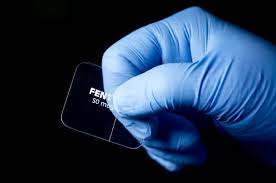
INDIANA — The U.S. Food and Drug Administration (FDA) is issuing a stark reminder to parents, caregivers, and healthcare professionals regarding the ongoing, life-threatening dangers that prescription fentanyl patches pose to infants and young children.
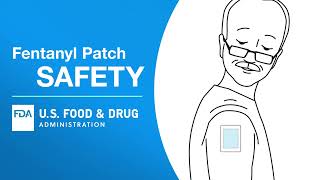
Accidental exposure to medication remains a leading cause of poisoning in children. The FDA warns that young children, in particular, face a high risk of severe illness or death after coming into contact with transdermal fentanyl skin patches—a powerful opioid pain reliever.
The fentanyl transdermal system, marketed under the brand name Duragesic and available as a generic product, is prescribed for opioid-tolerant patients who require round-the-clock, long-term pain management. These patches are designed to slowly release fentanyl through the skin over the course of treatment and are typically replaced every three days.
However, even after a patch has been worn for the full three days, enough active fentanyl remains in the used patch to cause a fatal overdose in babies, children, and pets.
Toddlers and young children are particularly vulnerable because they often mistake the skin patches for stickers, bandages, or temporary tattoos. Overdoses occur when children find new or used patches, place them in their mouths, or stick them onto their own skin. Fentanyl rapidly slows down a child’s breathing and drastically decreases blood oxygen levels, which can lead to swift respiratory failure and death.
Furthermore, historical data from the Institute for Safe Medication Practices (ISMP) and medical literature highlight that infants are frequently exposed when sleeping with or being held by an adult wearing a partially detached patch, causing the medicine to inadvertently transfer directly to the child’s skin.
Crucial Prevention Protocols for the Home: Get Smart About Drugs
To reduce the risk of accidental exposure, the FDA urges anyone using fentanyl patches in a home with children to take strict precautions:
- Secure Storage: Keep all fentanyl patches completely out of sight and reach of children, preferably stored inside a secure lockbox.
- Secure the Patch: Consider covering the patch with a transparent adhesive film dressing or applying first-aid tape to the edges to ensure it does not accidentally detach from your body.
- Regular Checks: Regularly touch or look at the patch throughout the day to verify that it is securely in place and has not fallen off.
- Immediate Disposal: Promptly and safely dispose of an old patch the moment a new one is applied.
The “Flush List” Protocol for Safe Disposal PMC – NIH
Because of the extreme potency of remaining medication, the FDA has placed fentanyl patches on its specific list of medicines that must be flushed down the toilet rather than thrown into household trash.
To safely dispose of a patch:
- Remove the patch from the skin.
- Fold it tightly in half with the sticky sides pressed together.
- Flush it down the toilet immediately.
Discarding patches in a standard trash can leaves them accessible to curious children or household pets who could easily retrieve and ingest them.
Recognizing the Signs of Fentanyl Exposure
Early signs of opioid exposure can be subtle and difficult to detect in young children. For example, drowsiness is a common early symptom but can easily be misinterpreted by a caregiver as a child simply being tired or ready for a nap.
Other critical symptoms of pediatric fentanyl exposure include:
Lakeside
- Trouble breathing or shortness of breath
- Constricted “pinpoint” pupils
- Extreme drowsiness or an inability to wake up
- Swelling of the face, tongue, or throat
- Agitation or unusually stiff muscles
- High body temperature
Emergency Action: Keep Naloxone on Hand
If you suspect a child has been exposed to a fentanyl patch, call 911 and seek emergency medical help immediately.
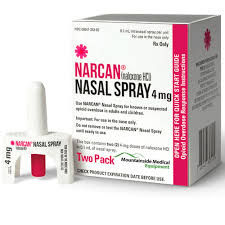
The FDA strongly recommends that patients and caregivers talk to their healthcare providers about obtaining naloxone (commonly known by brand names like Narcan). Naloxone is a life-saving opioid-reversal drug that can be administered via nasal spray or injection. It is completely safe to give to individuals of all ages, including infants and toddlers.
If an accidental exposure occurs, caregivers should administer naloxone immediately but must still proceed with calling 911, as additional medical intervention is always required to combat the long-lasting effects of a transdermal patch.

