

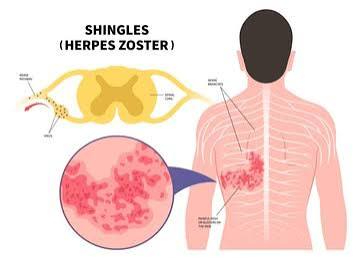
INDIANA — In an updated public health briefing issued June 18, 2026, the Centers for Disease Control and Prevention (CDC) emphasized that vaccination remains the only definitive way to protect against shingles and its debilitating, long-term complications.
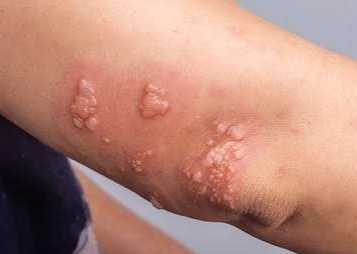
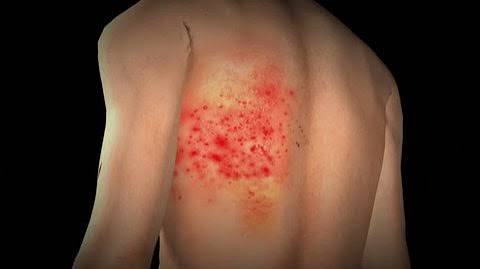
Data shows that approximately one in three people in the United States will develop shingles in their lifetime, with the risk escalating dramatically as a person ages. However, health officials note that the current two-dose recombinant zoster vaccine, commercially known as Shingrix, provides unprecedented defense levels—surpassing 90% effectiveness for healthy adults aged 50 and older.
Vaccine Effectiveness
Clinical trials demonstrate that Shingrix triggers a robust immune response, offering durable protection that remains high for at least seven years post-vaccination.
| Age Group / Health Status | Effectiveness Against Shingles | Effectiveness Against Chronic Nerve Pain (PHN) |
| Adults 50–69 (Healthy Immune System) | 97% | 91% |
| Adults 70 and Older (Healthy Immune System) | 91% | 89% |
| Adults 19 and Older (Weakened Immune System) | 68% – 91% (Variable by condition) | Included in overall protection |
Shingles and chickenpox are deeply interconnected; both are caused by the varicella-zoster virus. After a person recovers from childhood chickenpox, the virus retreats and stays dormant inside the nervous system. Decades later, it can reactivate as shingles, causing a painful, blistering rash.
The primary danger of shingles is postherpetic neuralgia (PHN), a severe, chronic nerve pain that strikes the area where the rash originally occurred. PHN can last for months or even years after the visible rash completely clears, causing debilitating agony.
Because more than 99% of Americans born on or before 1980 have had chickenpox—even if they do not remember it—the CDC recommends Shingrix for all adults over 50. There is no maximum age limit.
Updated CDC Recommendations
The CDC recommends the two-dose Shingrix series for two specific priority groups:
- Adults 50 Years and Older: Should receive two doses, separated by two to six months. This applies even if you have already had shingles in the past, previously received the older Zostavax vaccine, or received a chickenpox vaccine.
- Adults 19 Years and Older with Weakened Immune Systems: Due to disease or immunosuppressive therapies, these individuals are at a much higher risk for complications. They should receive two doses, with the flexibility to receive the second dose just one to two months after the first, if medically necessary.
You should not get the vaccine if you currently have an active case of shingles or are pregnant. If you have a minor cold, it is safe to get the shot, but if you have a moderate-to-severe illness with a fever, wait until you fully recover.
What to Expect: Side Effects and Safety
Public health data confirms that Shingrix is safe and has not been associated with serious adverse events. However, because it sparks a powerful immune response to build armor against the virus, temporary side effects are common and usually last two to three days.
Patients frequently report a sore upper arm, redness, swelling, fatigue, muscle pain, headaches, shivering, fever, or mild nausea. While these temporary symptoms may disrupt normal activities, they are significantly less severe than the pain of actual shingles. Over-the-counter medications like ibuprofen or acetaminophen can be used to manage discomfort. Health officials stress that patients must return for their second dose even if they experienced mild-to-moderate side effects after the first.
(On incredibly rare occasions, a serious nervous system disorder called Guillain-Barré syndrome [GBS] has been reported post-vaccination, though data shows there is also an increased risk of GBS from contracting shingles itself).
How to Find and Pay for the Vaccine
Shingrix is widely available at local doctors’ offices and pharmacies, and it can be administered at the same time as other routine vaccines.
- Medicare: Under federal guidelines, individuals with Medicare Part D coverage pay $0 out-of-pocket for the Shingrix vaccine series.
- Medicaid & Private Insurance: Most private insurance plans cover the vaccine, though out-of-pocket costs vary by plan. Medicaid coverage fluctuates by state, and patients are advised to contact their provider directly to confirm benefits.
- Uninsured Options: Eligible adults who cannot afford the vaccine may qualify for assistance programs provided by the vaccine’s manufacturer, GlaxoSmithKline (GSK).
If you experience any unusual or worsening symptoms after receiving the shot, contact your healthcare provider or report the event directly to the Vaccine Adverse Event Reporting System (VAERS) at 1-800-822-7967.

