


WASHINGTON, D.C. — U.S. Health and Human Services (HHS) Secretary Robert F. Kennedy Jr. unveiled a sweeping initiative Monday aimed at reducing the “overprescribing” of psychiatric medications, with a specific focus on pediatric care.
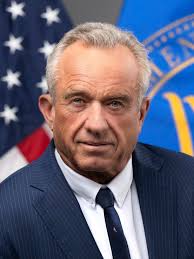
Speaking at a MAHA Institute summit, Kennedy emphasized a shift toward a “holistic approach” to mental health. The plan prioritizes patient autonomy, informed consent, and non-medication interventions such as dietary changes, physical activity, and family support.
“We take clear and decisive action to confront our nation’s mental health crisis by addressing the overuse of psychiatric medications,” Kennedy stated. “We will shift the standard of care toward prevention and transparency.”
The federal push aligns with recent medical milestones, including the American Society of Clinical Psychopharmacology’s February guidelines on medication discontinuation. HHS agencies will now collaborate to evaluate prescription patterns, weigh the benefits versus potential harms of long-term drug use, and promote scalable, evidence-based alternatives like therapy.
Experts Warn of Access Gaps
While some psychiatry professionals welcomed the focus on transparency, others expressed concern that the initiative may overlook a more pressing issue: inadequate access to care.
- Rising Crisis: Suicide rates rose 35% between 2000 and 2018, and depression remains a leading cause of global disability.
- Access Barriers: Experts point out that only 40% of Americans with depression receive counseling, while workforce shortages and a lack of psychiatric beds continue to plague the system.
- The “Treatment-Resistant” Gap: Approximately one-third of adults with depression do not respond to conventional treatments, necessitating continued research into innovative options.

Medical experts, including Rutgers clinical professor Dr. Luis Rivera, caution patients against making abrupt changes to their treatment. Quitting psychiatric medications without professional supervision can lead to severe withdrawal side effects or a total relapse of the condition.
“Don’t do it without physicians being involved,” Rivera warned, urging patients to instead engage in shared decision-making with their doctors to determine if a change in medication is appropriate.

