


NATIONWIDE — The U.S. Department of Agriculture (USDA) is increasing financial assistance for its Regenerative Pilot Program to $1 billion for fiscal year 2027, up from $700 million in fiscal year 2026, as part of a broader push to improve soil health, conserve natural resources, and strengthen the nation’s food supply.
In an update released Wednesday, Nov. 18, USDA Under Secretary for Farm Production and Conservation Richard Fordyce highlighted the role of regenerative agriculture—a conservation-focused approach centered on restoring soil health and improving water management—in protecting both natural resources and farmers’ bottom lines by reducing reliance on fuel, fertilizer, and water inputs.
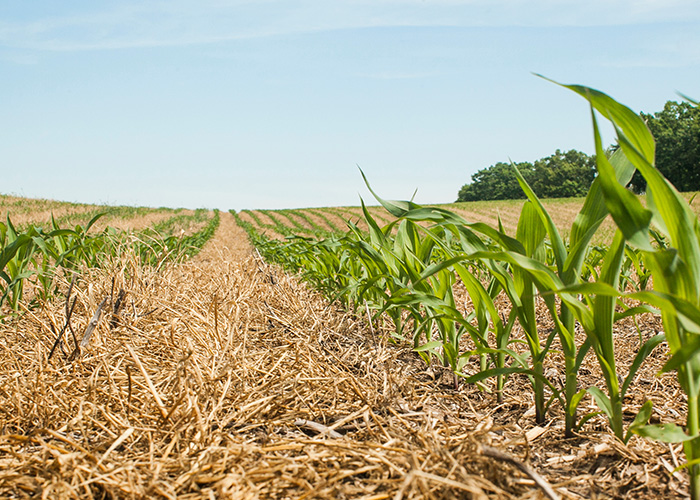
Launched in 2025, the Regenerative Pilot Program operates through the USDA’s Natural Resources Conservation Service (NRCS) and features a streamlined application process designed to eliminate bureaucratic red tape while supporting holistic, whole-farm conservation planning.
“Not only do these practices protect America’s bountiful natural resources, but they also protect producers’ bottom lines—helping to conserve valuable inputs like fuel, fertilizer, and water,” Fordyce stated. “The producers I’ve spoken to on my visits throughout the country tell me they appreciate the new, streamlined application process that allows them to address their whole-farm resource concerns, saving them time and unnecessary hassle.”

During its inaugural year, the program invested $861 million across 5,190 contracts, implementing regenerative farming practices on 4.7 million acres of agricultural land nationwide.
Agricultural producers and ranchers interested in participating in the NRCS Regenerative Pilot Program are encouraged to visit their local USDA field office to discuss customized conservation solutions for their operations.