

INDIANA — Indiana’s 2026–27 trapping season is officially underway across the state, bringing major regulatory updates for furbearer trappers and hunters—most notably a newly expanded bobcat season that is already seeing steady harvest activity.
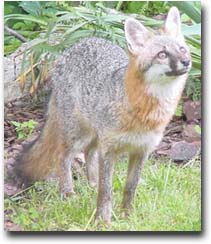
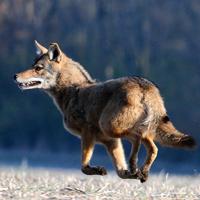
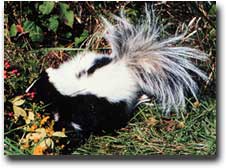
While trapping for red and gray fox, coyote, and striped skunk kicked off on October 15, the season hit full stride in November with the opening of raccoon, opossum, and bobcat on November 8, followed by beaver, river otter, mink, muskrat, and long-tailed weasel on November 15.
Major Changes to Indiana’s Bobcat Season—and Current Harvest Totals
The headline change for the 2026–27 season is the Indiana Department of Natural Resources’ (DNR) expansion of the bobcat harvest.

Following public hearings and rule updates adopted earlier this year, the DNR:
- Expanded Harvest Methods: Bobcats can now be taken by hunting (using archery equipment, crossbows, shotguns, or handguns) in addition to trapping (using foothold traps, cage traps, or relaxing-lock snares).
- Raised the Statewide Quota: The seasonal harvest cap has been increased to 400 bobcats across 40 designated counties with high-quality bobcat habitat, with a bag limit of one bobcat per licensed person per season.
- Allowed Pelt Sales: Under the updated rules, harvesters may now sell legally tagged bobcat hides and parts.
According to the Indiana DNR’s live licensing and quota tracking system (GoOutdoorsIN.com/available-quota), 126 bobcats have already been harvested and reported since the season opened on November 8, leaving 274 remaining under the 400-animal statewide cap.
Because the bobcat season automatically closes the moment the 400-bobcat quota is met—even if that occurs well before the scheduled January 31, 2027 end date—DNR officials are reminding hunters and trappers to check the live quota dashboard online or call 317-232-4200 daily before heading into the field.
2026–27 Indiana Furbearer Trapping Dates & Limits
Season dates, bag limits, and quotas vary by species across Indiana:
- Red and Gray Fox: Oct. 15, 2026 – Jan. 31, 2027 (Hunting continues through Feb. 28, 2027; no bag limit)
- Coyote and Striped Skunk: Oct. 15, 2026 – March 15, 2027 (No bag limit)
- Raccoon and Opossum: Nov. 8, 2026 – Jan. 31, 2027 (No bag limit)
- Bobcat: Nov. 8, 2026 – Jan. 31, 2027 (Designated counties only; limit 1 per person; closes early if 400 statewide quota is reached)
- Beaver: Nov. 15, 2026 – March 15, 2027 (No bag limit)
- Mink, Muskrat, and Long-Tailed Weasel: Nov. 15, 2026 – Jan. 31, 2027
- River Otter: Nov. 15, 2026 – March 15, 2027 (Trapping only; open statewide; limit 2 per person; closes early if 750 statewide quota is reached)
Key Rules, Trap Checks, and Reporting Deadlines
Indiana DNR officials emphasize several strict compliance rules for anyone running a trapline this winter:
- 24-Hour Trap Check Rule: Under Indiana law (IC 14-22-6-4), trappers must physically check their traps at least once every 24 hours.
- Equipment & Permission: All traps and snares must be properly labeled with the owner’s identification; saw-toothed or spiked jaws are strictly prohibited, and 330 Conibear traps must be fully submerged in water. Trappers must also obtain landowner permission before setting traps on private property.
- Mandatory Check-In & Tagging: Both bobcats and river otters carry strict reporting requirements. Harvested bobcats must be registered electronically via the DNR CheckIN Game system within 24 hours of harvest so officials can maintain an accurate live quota count. Within 15 days after the end of the harvest month, trappers and hunters must also bring skinned bobcat pelts to a designated DNR employee or official furbearer registration station for physical inspection and CITES tagging (while river otter harvesters must turn in both the skinned hide and carcass, including the head, for biological sampling).
Full county maps, trap specifications, and registration station locations are available in the 2026–27 Indiana Hunting & Trapping Guide at wildlife.IN.gov.