


INDIANA – Twenty-five Indiana State Park properties will close temporarily to the public this fall to conduct controlled deer management hunts.
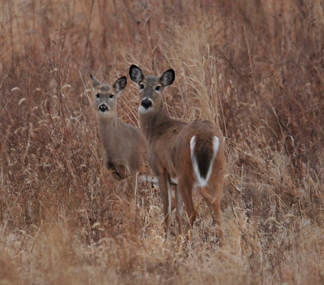
The closures will occur across two separate two-day sessions:
- First Hunt Period: Monday, November 16, and Tuesday, November 17
- Second Hunt Period: Monday, November 30, and Tuesday, December 1
Participating properties will close to the general public at 8:00 p.m. local time on the evening before each hunt (Sunday, Nov. 15 and Sunday, Nov. 29) and will reopen the morning after each two-day session concludes. All other Indiana state parks not participating in the management effort will remain open under normal operating hours.
Participation is strictly limited to individuals selected through the state’s pre-conducted online drawing; no walk-in hunters are permitted.
Full List of Closed Properties
The 25 state park properties participating in the 2026 controlled deer management hunts are:
- Brown County State Park
- Cave River Valley Natural Area
- Chain O’Lakes State Park
- Charlestown State Park
- Clifty Falls State Park (Archery only)
- Fort Harrison State Park (Archery only)
- Harmonie State Park
- Indiana Dunes State Park
- Lincoln State Park
- McCormick’s Creek State Park
- O’Bannon Woods State Park
- Ouabache State Park
- Pokagon State Park
- Potato Creek State Park
- Prophetstown State Park
- Raccoon State Recreation Area (Cecil M. Harden Lake)
- Shades State Park
- Shakamak State Park
- Spring Mill State Park
- Summit Lake State Park
- Tippecanoe River State Park
- Trine State Recreation Area (Archery only)
- Turkey Run State Park
- Versailles State Park
- Whitewater Memorial State Park
Purpose of the Hunts
The Indiana Department of Natural Resources (DNR) Division of State Parks conducts these controlled hunts annually as an ecological management tool.
“Deer hunts at our properties are important in managing the deer population and its impact on habitat for native plants and wildlife,” said Anthony Sipes, natural resources manager for Indiana State Parks. Each year, we evaluate which state park properties require a deer management hunt based on habitat recovery and previous harvest rates at each park.”
Overbrowsing by high deer populations can severely strip forest understory vegetation, damaging native wildflowers, seedlings, and habitats necessary for other local wildlife species. Controlled harvests help preserve balanced ecosystems within the state’s protected public lands.