

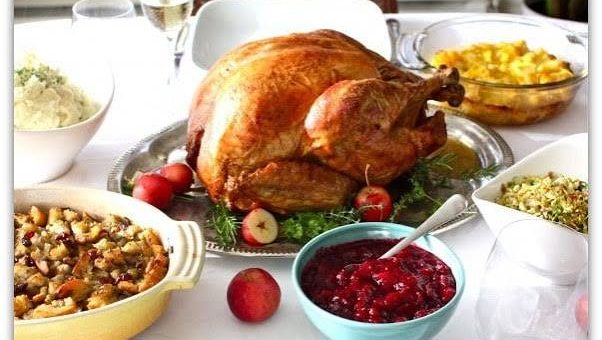
INDIANA — Elevated food prices have many Americans bracing for a costlier holiday season, but budget experts say strategic planning can keep the traditional Thanksgiving feast affordable without sacrificing menu favorites.
Data from recent food price indexes shows grocers continuing to charge premium rates on staple ingredients, leaving hosts to balance hospitality against inflation. However, financial planners and culinary advisers emphasize that a few proactive adjustments can significantly lower the bill.
To stretch holiday budgets, advisers recommend seven key strategies for host families this season:
1. Establish a Hard Budget
Setting a target limit prevents impulse spending. Accounting for total meal costs ahead of time ensures holiday festivities do not derail broader monthly finances. Remember, Christmas is right around the corner!
2. Seek Budget-Friendly Recipes and Substitutions
Recipe databases from major outlets offer low-cost takes on traditional dishes. Swapping out high-cost items — such as serving a turkey breast instead of a whole turkey if possible — can drastically reduce total expenditures without losing the festive spirit.
3. Build a Detailed Shopping List with Price Estimates
Stick to your menu. Experts suggest listing every required ingredient alongside estimated costs based on local retailer websites. If the preliminary total exceeds the budget, hosts can trim non-essential items or opt for multi-use ingredients that serve several recipes.
4. Stagger Purchases Over Several Weeks
Buying everything during Thanksgiving week strains single-week budgets and increases stress. Non-perishables, canned goods, beverages, and long-lasting produce like potatoes and onions can be purchased weeks in advance, allowing shoppers to clip coupons and catch sales.
5. Scale Back Table Décor
Social media trends often promote costly seasonal tablescapes, but advisers remind hosts that guests prioritize the meal over ornamental setups. Decorating with existing household items, foraging natural elements like acorns or garden flowers, and visiting discount stores can create a festive atmosphere for minimal cost.
6. Coordinate a Pitch-In Style Gathering
Dividing the menu among guests reduces both financial strain and kitchen labor. To avoid duplicate items, hosts should establish a centralized sign-up list, assigning specific categories like appetizers, sides, or desserts while preparing core dishes themselves. Lists can be shared easily online!
7. Repurpose Leftovers to Maximize Value
Food waste equates to wasted money. Planning secondary meals transforms holiday prep into days of lunches and dinners. Excess turkey easily converts into soups, chilis, and casseroles, while leftover mashed potatoes can become potato pancakes or shepherd’s pie, and extra fruit can be baked into muffins.
By framing Thanksgiving as a multi-day food investment rather than a single lavish meal, hosts can maintain traditions while protecting their wallets this fall.