

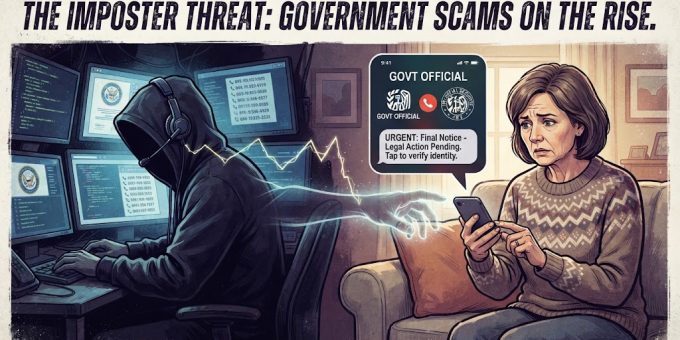
INDIANA — Federal authorities are issuing a stark warning against government imposter fraud, urging Americans to stay vigilant against scammers claiming to represent the Social Security Administration (SSA) and other federal agencies to steal personal information and money.
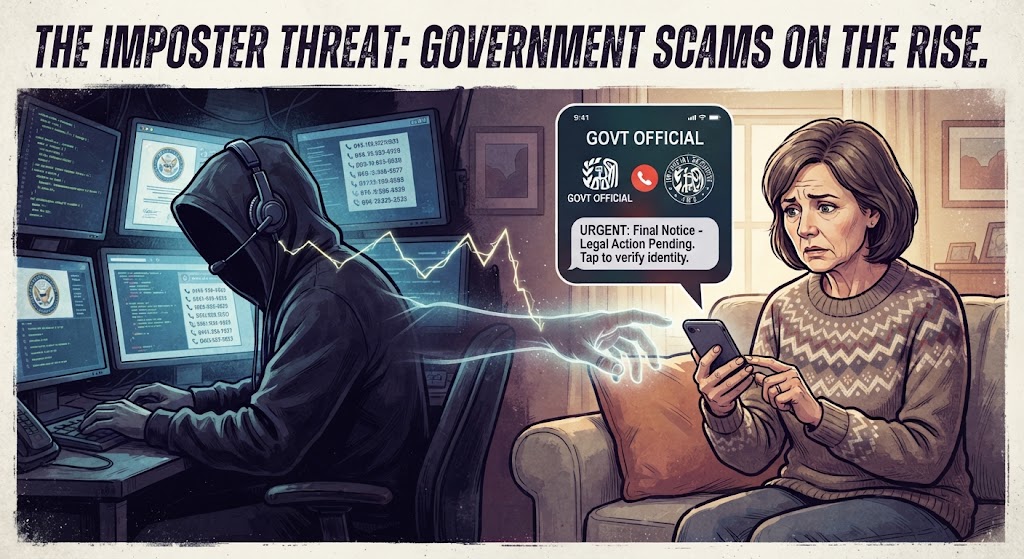
Government impersonation remains one of the most widespread phone and digital threats nationwide. Officials stress that understanding the core tactics used by fraudsters is the single best defense against financial loss.
Remember the ‘Four Ps’: How Scammers Operate
To help the public quickly spot fraudulent communications, consumer protection experts highlight four common elements shared by nearly all government imposter schemes:
- Pretend: Scammers claim to be employees of the Social Security Administration or another government body. Agency officials remind citizens that SSA representatives will never contact you out of the blue unless you initiated contact first.
- Problem or Prize: Impostors often fabricate an urgent issue with your benefits, threaten an arrest warrant, or claim you won a prize or vacation contest you never entered.
- Pressure: Fraudsters use high-pressure scare tactics, demanding that you act immediately before consulting family, legal counsel, or local law enforcement.
- Payment: Scammers demand payment using specific, non-traceable methods such as retail gift cards, cryptocurrency, or wire transfers. The SSA highlights that annual Cost-of-Living Adjustments (COLA) are completely automatic—the agency will never demand a fee or payment to unlock or activate a benefits increase.
Actionable Steps: What to Do If You Get a Suspicious Request
If you receive an unexpected call, text message, email, or social media outreach claiming to come from a government agency:
- Hang Up & Ignore: Discontinue communication immediately. Do not engage with the caller or respond to texts.
- Avoid Suspicious Links: Never click on links or download attachments sent from unrecognized senders.
- Protect Personal Data: Never reveal your Social Security number, banking details, or full legal name in response to an unsolicited request.
- Report Incidents Promptly: Social Security-related imposter scams should be reported directly to the SSA Office of the Inspector General (OIG).
Officials reassure anyone who may have already accidentally shared personal information with a fraudster not to feel frightened or embarrassed, but to report the incident immediately so protective measures can be put in place.
Staying Protected Year-Round
Consumer advocates encourage families to share scam warnings with elderly relatives and vulnerable friends who are frequently targeted by imposter schemes.
For additional resources, safety guides, and reporting links, citizens can visit the official Protect Yourself from Scams portal on the Social Security Administration’s website.