

INDIANA – The U.S. measles outbreak continues to grow, showing little sign of slowing. Nationwide, 3,887 cases have been reported in 2026, according to data from the Centers for Disease Control and Prevention (CDC).
Johns Hopkins University, which tracks cases independently, reports that total infections have surpassed 4,000 across the country.
On October 5, New York Gov. Kathy Hochul issued an executive order declaring a statewide disaster emergency over accelerating transmission. New York recorded 108 cases this year through Oct. 3, with 92 of those occurring since mid-July.
Meanwhile, Pennsylvania health officials confirmed a fifth measles-associated death in Lancaster County on September 30. The state has registered over 1,000 cases across 39 counties this year. Although state-level reports document additional fatalities, official CDC tracking currently lists two confirmed measles deaths nationwide.
Where Measles Cases Are Climbing
The virus is not spreading evenly across the country. While some states have recorded zero cases, others are battling concentrated local outbreaks—defined as three or more epidemiologically linked infections.
The CDC has recorded 42 distinct outbreaks in 2026, accounting for roughly 95% of all reported national cases. Outbreaks remain heavily concentrated in regions where routine Measles, Mumps, and Rubella (MMR) vaccination rates have fallen.
States with the Highest Case Counts
- Pennsylvania: Over 1,000 cases
- South Carolina: Over 500 cases
- Utah: Over 500 cases
Local Impact: Indiana Measles Status
Indiana health officials are actively tracking and responding to local cases tied to regional transmission. According to the Indiana Department of Health (IDOH), the state has confirmed 26 measles cases this year.
According to official Indiana Department of Health (IDOH) surveillance data, the 26 confirmed measles cases in Indiana are concentrated in the following counties:
- Switzerland County: 6 cases
- Wayne County: 6 cases
- Parke County: 4 cases
- Adams County: 3 cases
- LaGrange County: 2 cases
- Allen County: 1 case
- DeKalb County: 1 case
- Miami County: 1 case
- Ohio County: 1 case
- Randolph County: 1 case
While the closest recorded cases to South-Central Indiana are in Parke County (west-central) and Switzerland County (southeast), local health officials continue to advise residents across the state to verify their Measles, Mumps, and Rubella (MMR) vaccination status as regional tracking remains active.
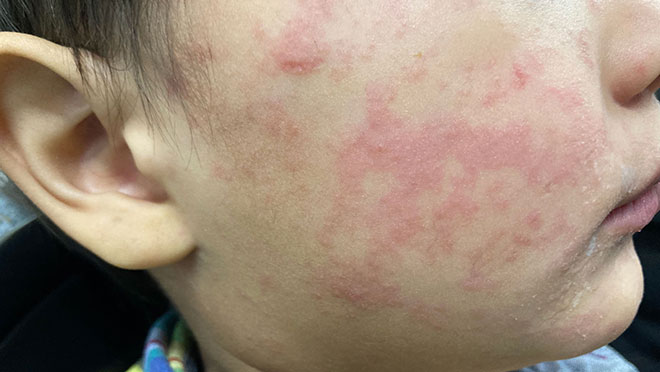
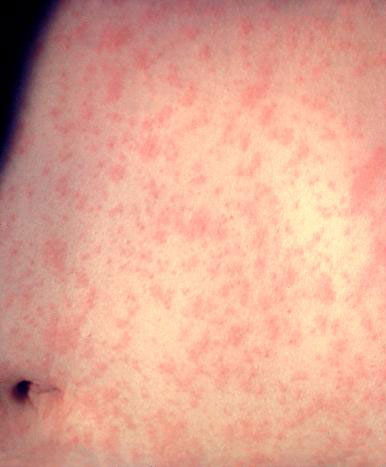
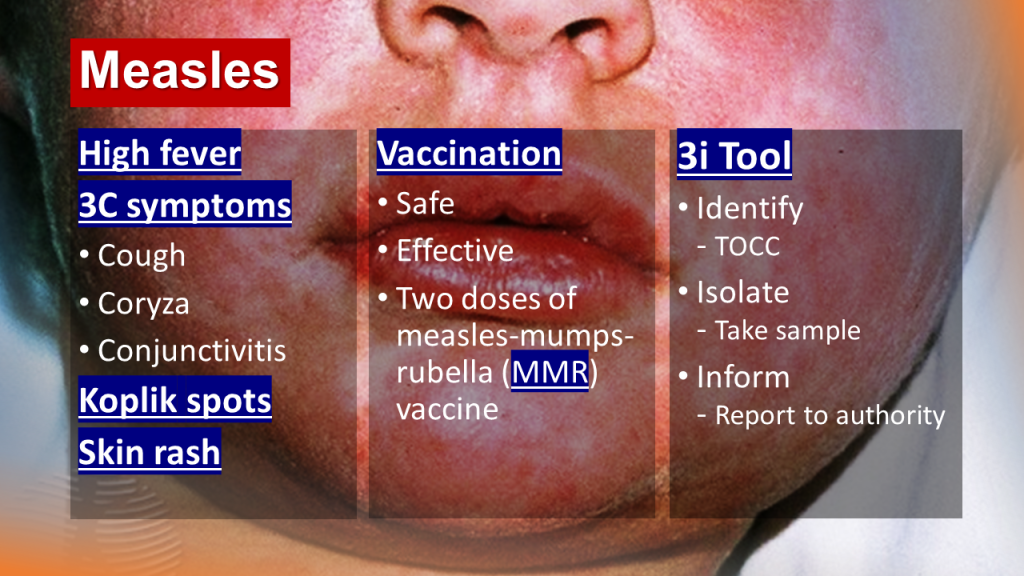
IDOH surveillance indicates that the vast majority of Indiana cases are among unvaccinated or unknown-status individuals. Public health officials across affected counties are urging residents to verify their MMR vaccination status and monitor for fever, cough, runny nose, and rash following potential exposures.
Why Is Measles So Contagious?
Measles is one of the most infectious airborne pathogens known:
- Basic Reproduction Number: Measles carries a basic reproduction number of approximately 18, meaning one infected individual will pass the virus to an average of 18 unprotected people in a non-immune population.
- Transmission Rate: Nine out of 10 unvaccinated individuals exposed to an infected person will contract the virus, according to CDC estimates.
Declining Herd Immunity Leaves Communities Vulnerable
Herd immunity occurs when a sufficient percentage of a population is immune to an infectious disease—either through vaccination or prior infection—making human-to-human transmission difficult.
| Coverage Level | Population Impact |
| Above 95% MMR Coverage | Establishes community-wide herd immunity, protecting infants and immunocompromised individuals who cannot be vaccinated. |
| Below 90% MMR Coverage | Creates “immunity gaps” where imported cases can rapidly initiate sustained community outbreaks. |
CDC data indicates that 18 states fell below the 90% MMR vaccination threshold among kindergarteners during the 2025–2026 school year. Public health officials emphasize that maintaining coverage above 95% remains the primary defense against widespread transmission.
In Indiana, 91.1% of kindergartners were vaccinated with the Measles, Mumps, and Rubella (MMR) Vaccine in 2025–2026.
According to the CDC, the measles, mumps, and rubella vaccine is the best protection — protecting nearly all people against the disease who receive the recommended doses.

