

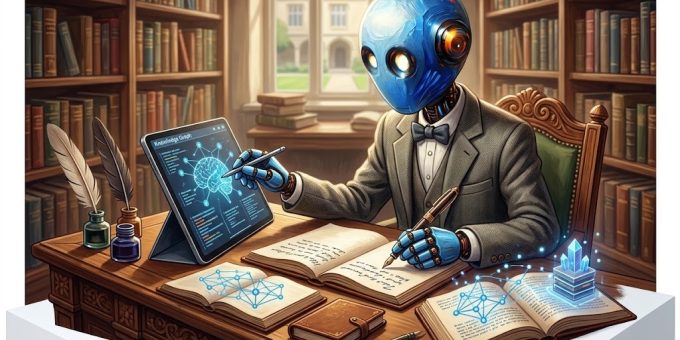
INDIANA – AI-powered note-taking applications have rapidly become a fixture in modern classrooms, offering students the ability to transcribe lectures, draft study summaries, and generate study flashcards in a matter of minutes.
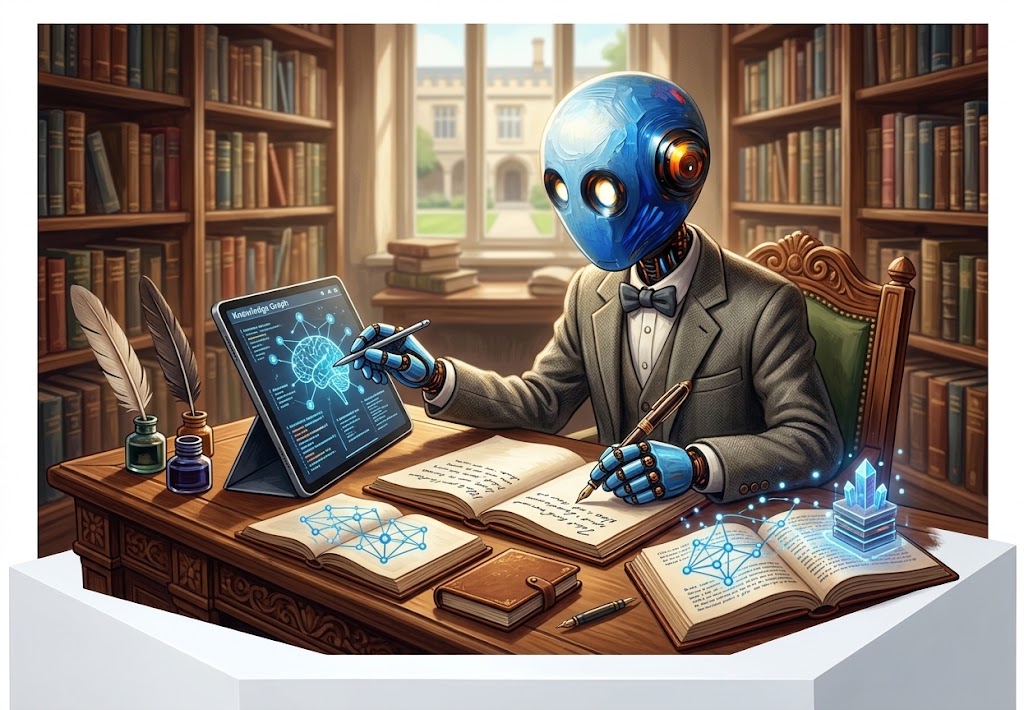
However, experts warn that relying solely on automated notes can lead to hidden gaps in understanding that only surface when exam season arrives.
A 2026 randomized study evaluating 405 secondary-school students found that traditional note-taking—whether performed independently or alongside an AI assistant—resulted in significantly higher comprehension and retention compared to relying exclusively on AI-generated notes. While students overall expressed a preference for AI tools and found them convenient, their actual academic test results favored active, hands-on note-taking.

Meriem Aousaji, Marketing Director at Algomizer, cautioned that the core risk isn’t merely potential software errors, but rather the false sense of mastery created by neat output.
“AI can organize a lecture into a clean, confident summary, but presentation is not proof of accuracy or understanding,” Aousaji said. “Students still need to ask where the information came from, what may have been omitted, and which details require verification.”
Five Essential Checks Before Using AI Note-Takers
To avoid study traps, students using AI tools during lectures are advised to follow five key verification practices:
- Verify Recording Rules and Policies: Students must confirm institutional guidelines and instructor permission before recording lectures. Classroom audio can capture peer presentations, questions, or personal discussions protected under student privacy policies.
- Retain Original Audio Records: Keeping source audio files allows students to cross-check ambiguous transcripts. Deleting recordings too quickly eliminates the primary method for verifying lecture accuracy.
- Inspect High-Risk Details: Automated transcribers are prone to subtle errors that dramatically alter meaning. Students should carefully verify dates, formulas, units, statistics, technical terms, and small conditional words such as “not” or “cannot”.
- Cross-Reference with Course Syllabi: AI algorithms determine which details to prioritize, which may not align with an instructor’s core focus. Students should compare generated summaries against official slides, assigned reading materials, and personal notes.
- Treat AI Flashcards as Rough Drafts: Automatically generated flashcards can flatten complex concepts into oversimplified Q&A formats. Students should review, refine, and rewrite study prompts into their own words to solidify learning.
“AI notes are most useful when they give students material to question, check, and reorganize,” Aousaji added. “The goal is to reduce the mechanical work without handing over the thinking that makes learning stick.”

