

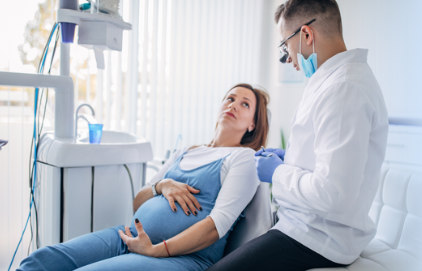
INDIANA — A recent report detailing oral healthcare access in Indiana highlights growing concern over policy, financial, and employment barriers that prevent pregnant women across the state from receiving necessary dental care.
The findings, published in the report “You Do Without”: Barriers to Oral Health Care and Consequences for Hoosiers, in partnership with the CareQuest Institute for Oral Health, emphasize that pregnancy introduces heightened risks for serious dental complications, yet systemic obstacles leave many expectant mothers without adequate treatment.
Increased Risks During Pregnancy
Navigating pregnancy presents significant physical changes that heighten risks for various oral health conditions. According to health estimates, an estimated 60% to 75% of pregnant women experience gingivitis, a common inflammatory condition. Hormonal shifts, dietary changes, and morning sickness during pregnancy also increase the risks of dental caries (cavities), periodontitis, and mouth tumors.
Despite the well-documented connection between maternal health and dental hygiene, fewer than half—approximately 44%—of pregnant women receive dental cleanings. Research indicates that unaddressed maternal oral health issues are linked to adverse birth outcomes, including low birth weight, preterm delivery, and severe conditions such as pre-eclampsia.
Coverage and Financial Limitations
The report points to key policy barriers within Indiana’s healthcare framework that restrict access to preventive care:
- Medicaid Restrictions: Indiana Medicaid coverage for preventive dental treatments remains limited, often preventing early interventions that could mitigate pregnancy-related harms. For reactive treatments covered by Medicaid, financial caps frequently prevent enrollees from fully addressing complex complications.
- Out-of-Pocket Expenses: Cost remains a primary barrier across all insurance types, including private plans. High deductibles and out-of-pocket maximums often force families to delay necessary treatments during a period when other medical expenses and infant supplies take financial priority.
Lack of Paid Leave and Geographic Distance
Beyond direct medical costs, workplace policies significantly influence whether pregnant women can attend dental appointments.
Indiana lacks mandatory paid family leave, and state law does not guarantee paid sick days for workers. Statewide statistics indicate that only 80% of privately employed workers in Indiana have access to paid sick leave, a figure that drops to 58% for workers in the lowest wage quartile. As a result, low-income workers are frequently forced to choose between taking unpaid time off or skipping critical healthcare visits to preserve leave for childbirth.
The report notes that these scheduling hurdles are further complicated for rural Hoosiers, who often face extended travel times to reach specialist providers or in-network dental practices.
Calls for Systemic Reform
Health advocates argue that routine daily hygiene, such as brushing and flossing, is insufficient to overcome systemic accessibility issues. The report concludes that comprehensive policy adjustments—including expanded Medicaid coverage, improved paid leave protections, and reduced out-of-pocket care costs—are essential to ensuring long-term health outcomes for Indiana families and communities.

