


INDIANA — The Indiana Department of Natural Resources (DNR) is asking residents to help track epizootic hemorrhagic disease (EHD), a potentially fatal viral illness affecting white-tailed deer during late summer and early autumn.
According to the DNR, one dead deer was found locally in Orange County.
EHD occurs naturally within the state’s deer population every year and is transmitted through the bites of small midges, or biting gnats, that breed in mud and shallow pools of standing water.
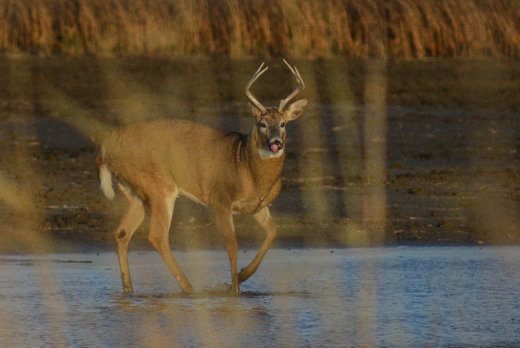
Infected deer often exhibit distinct clinical signs, including a total loss of appetite, severe weakness, inability to stand, excessive drooling, and an unusual loss of fear toward humans. Because the disease causes severe fever, affected deer frequently seek out water sources to cool down. Most deer that succumb to the virus are found in or near bodies of water.

While EHD is frequently fatal, the DNR notes that some deer do survive the infection and subsequently develop a natural immunity to the virus.
To monitor the spread of the illness across the state, officials are requesting that the public report any dead or visibly ill deer found near water using the DNR’s online sick and dead wildlife public reporting tool. When feasible, biologists collect samples from reported deer to perform diagnostic testing and confirm the presence of EHD.
Members of the public can view updated county-by-county maps on the DNR website, which track the number of suspected, tested, and confirmed cases during active outbreaks throughout the season.

