

INDIANA – Automakers including Toyota, BMW, Ford, General Motors, and Chrysler have issued a series of safety recalls through the National Highway Traffic Safety Administration (NHTSA). The affected models span multiple model years and involve safety concerns ranging from detaching shock absorbers and failing windshield wipers to engine bearing damage and airbag deployment issues.
Below is the complete list of recalled makes, models, model years, and corresponding defect details as released by the NHTSA:
| NHTSA Campaign ID | Manufacturer | Affected Makes & Models | Model Years | Defect Subject |
|---|---|---|---|---|
| 26V514 | Toyota Motor Engineering & Manufacturing | Toyota Tacoma Toyota Tacoma Hybrid | 2024–2025 2024 | Front and Rear Shock Absorber Reservoirs May Detach |
| 26V524 | BMW of North America, LLC | BMW X3 | 2024–2026 | Incorrectly Attached Steering Spindle |
| 26V525 | BMW of North America, LLC | BMW 540i BMW 540i xDrive BMW 750e xDrive BMW 840i BMW 840i xDrive BMW M550i | 2021–2023 2021–2023 2024–2026 2022–2026 2022–2026 2021–2023 | Loss of Rear Wheel Power from Driveshaft Damage |
| 26V526 | Nissan North America, Inc. | Nissan Altima | 2025 | Airbags May Not Deploy Properly |
| 26V527 | Jaguar Land Rover North America, LLC | Land Rover Range Rover | 2016–2017 | Incorrect Front Suspension Knuckles Installed |
| 26V528 | Chrysler (FCA US, LLC) | Dodge Durango | 2021–2023 | Rear Spoiler May Detach While Driving |
| 26V529 | Chrysler (FCA US, LLC) | Jeep Grand Cherokee Jeep Grand Cherokee L | 2026 2026 | Windshield Wipers May Fail |
| 26V530 | General Motors, LLC | Chevrolet Silverado 2500 GMC Sierra 2500 | 2024–2025 2024–2025 | Incorrect Tire Pressure Information |
| 26V532 | Ford Motor Company | Ford Explorer | 2026 | Engine Rod Bearing Failure |
| 26V533 | Halcore Group, Inc. | Horton Critical Care Transport Horton Type I Horton Type III | 2025–2026 2025–2026 2025–2026 | Touch Screen Display May Fail |
| 26V538 | Rossmonster Vans LLC | Rossmonster Baja Rossmonster Havn Rossmonster Skye | 2026 2026 2026 | Printed Circuit Board May Overheat |
What Vehicle Owners Should Do Next
If your vehicle is listed in these recall reports, dealers will perform all necessary inspections and repair procedures at no cost to you.
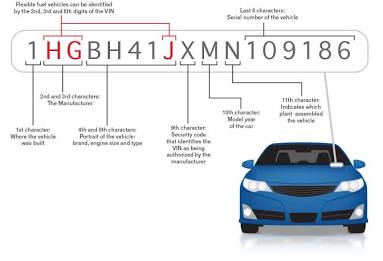
- Verify Your Vehicle: Check your specific 17-character Vehicle Identification Number (VIN) or license plate using the NHTSA Recall Look-up Tool.
- Contact a Dealer: Reach out to your local authorized dealership to schedule a service appointment for any open recall campaign.
- Stay Alert to Symptoms: Watch for early indicators related to your vehicle’s specific safety concern (such as unusual suspension noise, fluid leaks, or dashboard warning lights) before your repair appointment.
You can easily locate your vehicle’s 17-character Vehicle Identification Number (VIN) directly on the vehicle itself or on standard ownership paperwork.
On the Vehicle
- Driver’s Side Dashboard: Stand outside the car near the driver’s side mirror and look through the lower corner of the windshield. The VIN is stamped onto a small metal plate.
- Driver’s Side Door Jamb: Open the driver’s door and look at the post where the door latches (or along the inner door frame). It will be printed on a manufacturer certification sticker alongside tire pressure info.
- Under the Hood: Printed on the front of the engine block or stamped on the firewall separating the engine from the passenger compartment.
On Paperwork & Digital Documents
- Vehicle Title & Registration: Listed clearly under the vehicle details section.
- Auto Insurance Card & Policy: Printed on your digital or paper insurance ID card next to your vehicle’s year and model.
- Vehicle Bill of Sale or Financing Documents: Found on purchase agreements or monthly loan statements.
Note: A valid VIN is exactly 17 characters long, consisting of capital letters and numbers, and will never contain the letters I, O, or Q to avoid confusion with numbers.

