

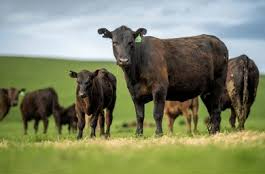
INDIANAPOLIS — The Indiana State Board of Animal Health (BOAH) is reminding livestock producers across the state that bovine tuberculosis (TB) compliance is a mandatory legal requirement linked directly to Indiana’s disease-free status and broader trade economy.
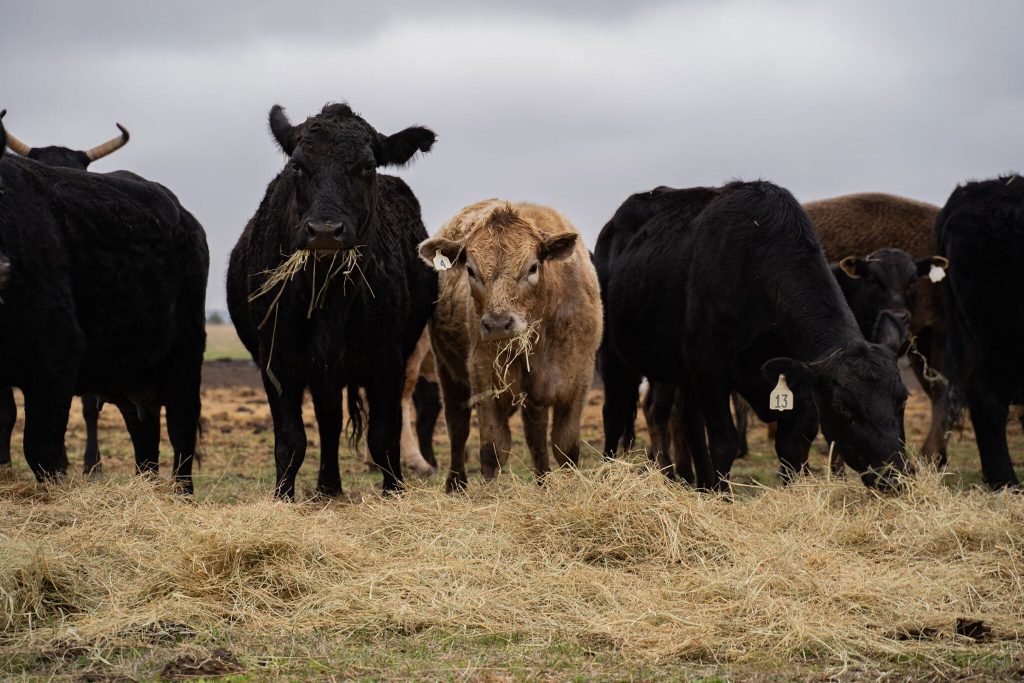
Failure to follow testing and movement protocols can trigger immediate herd quarantines, blocked sales, civil penalties up to $25,000 per day, or Level 6 felony charges for intentional violations.
Disease Overview and State Classification
Bovine tuberculosis, caused by Mycobacterium bovis, is a chronic, contagious bacterial disease affecting cattle, bison, captive cervids, wildlife, and humans. Transmitted via respiratory droplets, direct contact, or contaminated feed and milk, the infection often remains asymptomatic in herds for extended periods, making systematic testing—rather than visual inspection—the state’s primary line of defense.
Indiana has officially maintained a USDA bovine TB-free status since 1984. Although localized outbreaks between 2008 and 2016 in southeastern Indiana led to targeted surveillance zones and herd depopulations, BOAH reports that the state currently has zero active bovine TB cases or farms under quarantine.
Testing Requirements and Covered Livestock
Testing obligations target specific high-risk categories rather than all animals annually:
- Captive Cervids: All live deer, elk, and related captive species imported into or moved within Indiana require official TB testing procedures.
- Imported Cattle & Bison: Animals entering from Modified Accredited Advanced states or zones must test negative within 60 days before entry. Exemptions apply to animals moving directly to approved slaughter facilities, accredited herds, or under approved commuter agreements.
- Dairy Breed Exemptions: Under revised BOAH guidelines, sexually intact female dairy cattle six months or older originating from accredited-free states are no longer subject to mandatory pre-entry TB testing.
Testing Protocols and Enforcement
Routine diagnostic evaluations rely on caudal-fold tuberculin (CFT) tests administered by accredited veterinarians, with official observation and palpation required 72 hours post-injection. For exposed or affected herds, comparative cervical tests (CCT) or comparative blood assays administered by state or federal regulatory veterinarians are required.
Any suspect or positive response must be reported to state and federal animal health officials within 48 hours. Confirmed positive cases result in immediate property quarantines, epidemiological contact tracing, and potential total herd depopulations under USDA eradication standards.
Producers can review current movement guidelines, submission forms, and digital Certificates of Veterinary Inspection directly through the Indiana State Board of Animal Health.

