

LAWRENCEVILLE, Ga. — A Georgia mother who lost her 1-year-old son in an unthinkable hot car tragedy is now at the center of a much larger national debate: When a parent unknowingly leaves a child in a vehicle, should a catastrophic failure of human memory be treated as murder?

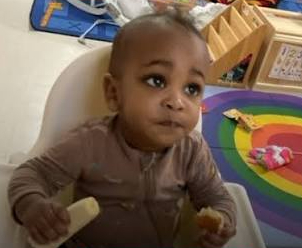
On Tuesday, nationally recognized child safety advocates, grieving families, a leading neuroscientist and the filmmaker behind the documentary Fatal Distraction gathered outside the Gwinnett County Courthouse following a probable cause hearing for Deja Coleman, who is facing a second-degree murder charge following the death of her 1-year-old son, Daniel.
Their message: Before society can prevent these tragedies, it must first understand how they happen.
On July 29, Coleman experienced what countless parents believe could never happen to them. Under tremendous stress and severe sleep deprivation, Coleman believed she had taken Daniel into daycare before continuing to work. Daniel, however, remained in the back seat of her vehicle.
Coleman went about her day believing her son was safely at daycare, unaware of the unfolding tragedy.
Coleman must now grieve the death of her child while simultaneously facing a felony murder prosecution for an act advocates say she never consciously chose to commit.
The case raises an extraordinarily difficult question: What purpose does prison serve when the person being punished had no awareness that the danger existed?
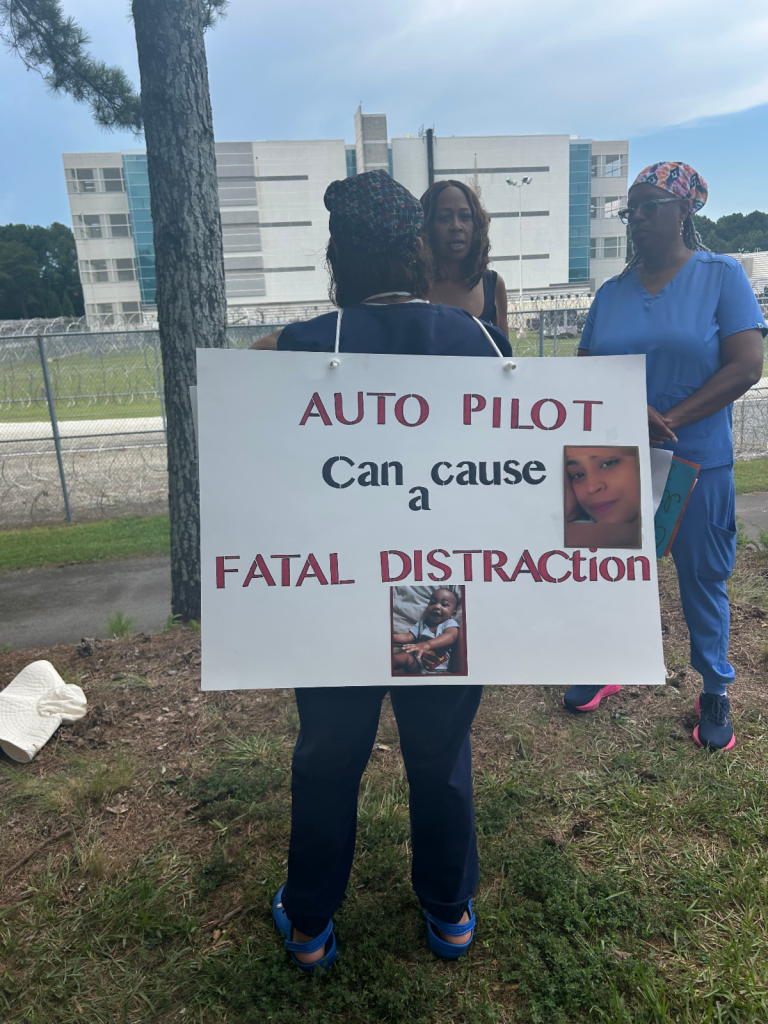
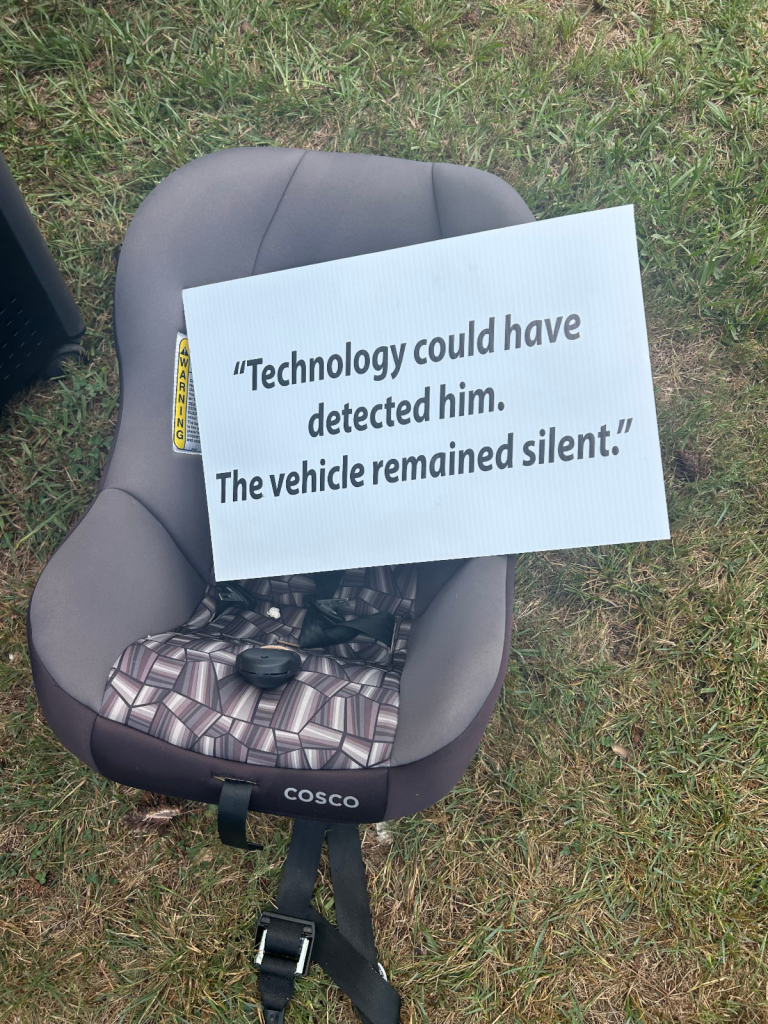
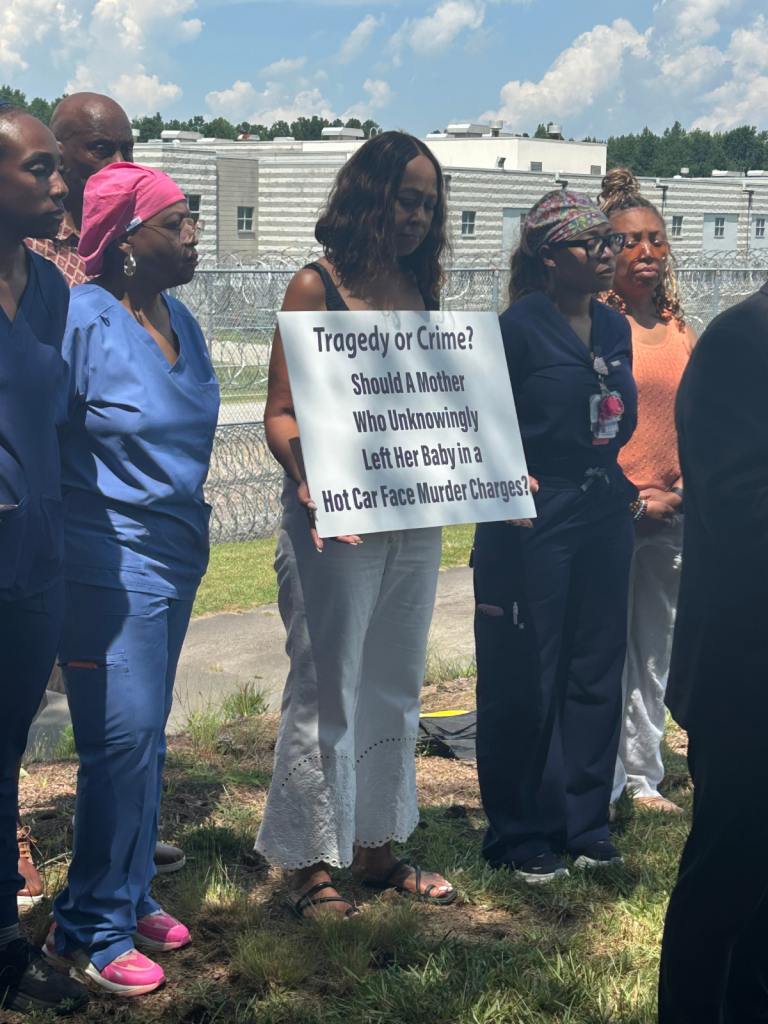
Coleman is not alone. Daniel became one of 18 children already this summer to die in a hot vehicle.
Parents and caregivers across the United States have faced criminal prosecution after unknowingly leaving children in vehicles. Yet despite decades of prosecutions, children continue to die in hot cars year after year.
Almost weekly, a child dies inside a hot car in the United States. Hundreds of fatalities have also happened across the globe.
These tragedies cross virtually every demographic, geographic and socioeconomic line. They have happened to teachers, police officers, nurses, construction workers, attorneys, judges and even a NASA engineer.
The common denominator is not a particular type of parent. It is the vulnerability of human memory. Under certain conditions, including severe fatigue, sleep deprivation, stress, a disruption in routine and a quiet or sleeping child, the brain can revert to habitual behavior while failing to execute a planned future action.
Neuroscientist and memory expert Dr. David Diamond has studied these cases for decades and describes the phenomenon as a catastrophic failure of prospective memory.
The result can be particularly difficult for the public to comprehend because the parent may not simply “forget” the child in the ordinary sense. The brain can instead create the devastating belief that the intended action, such as dropping a child at daycare, has already been completed.
That helps explain one of the most troubling aspects of these tragedies: loving, attentive parents can go for hours believing their child is somewhere safe. Yet most parents remain convinced it could never happen to them.
That belief, advocates warn, may itself stand in the way of prevention.
When hot car deaths are portrayed primarily as the actions of negligent or irresponsible parents, other caregivers can distance themselves from the risk: I would never do that. I am a good parent. But decades of cases tell a different story.
Kids and Car Safety contends that prosecuting devastated parents does not address the underlying mechanism that causes these deaths — and may reinforce the dangerous misconception that only “bad parents” leave children in cars.
If parents do not believe they are vulnerable, they are less likely to adopt safeguards designed to compensate for predictable failures of human memory.
Safety advocates are calling for child hot car deaths to be approached first and foremost as a preventable public health and vehicle-safety crisis, with solutions centered on education, awareness, policy and technology capable of detecting a child left inside a vehicle.
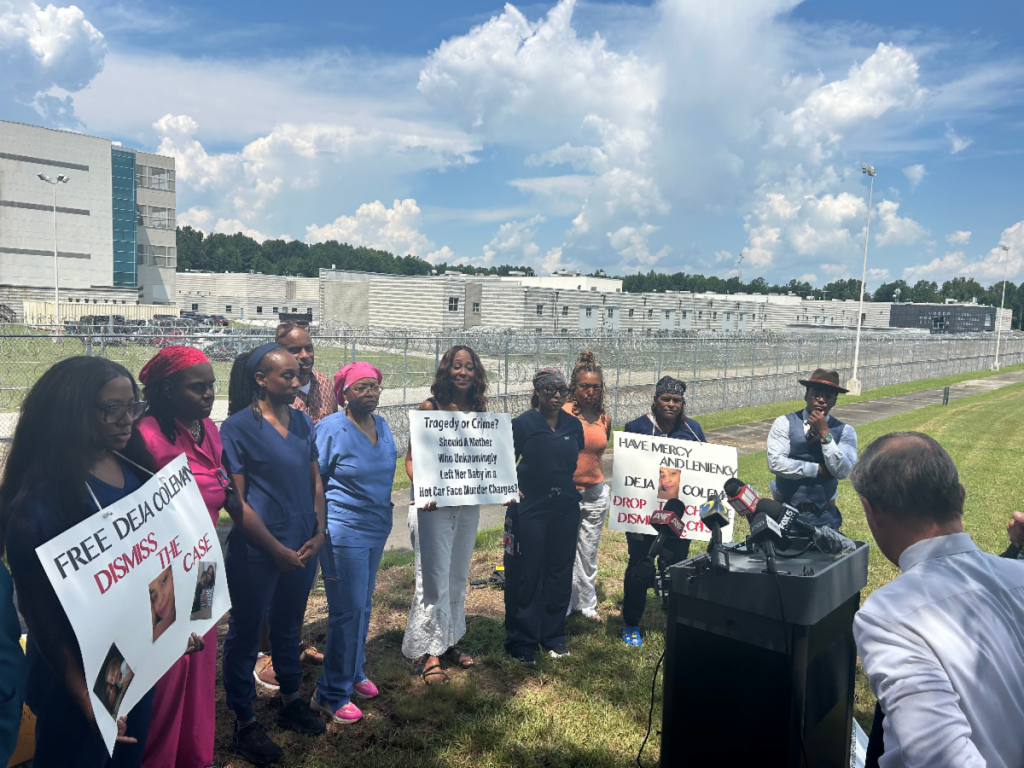
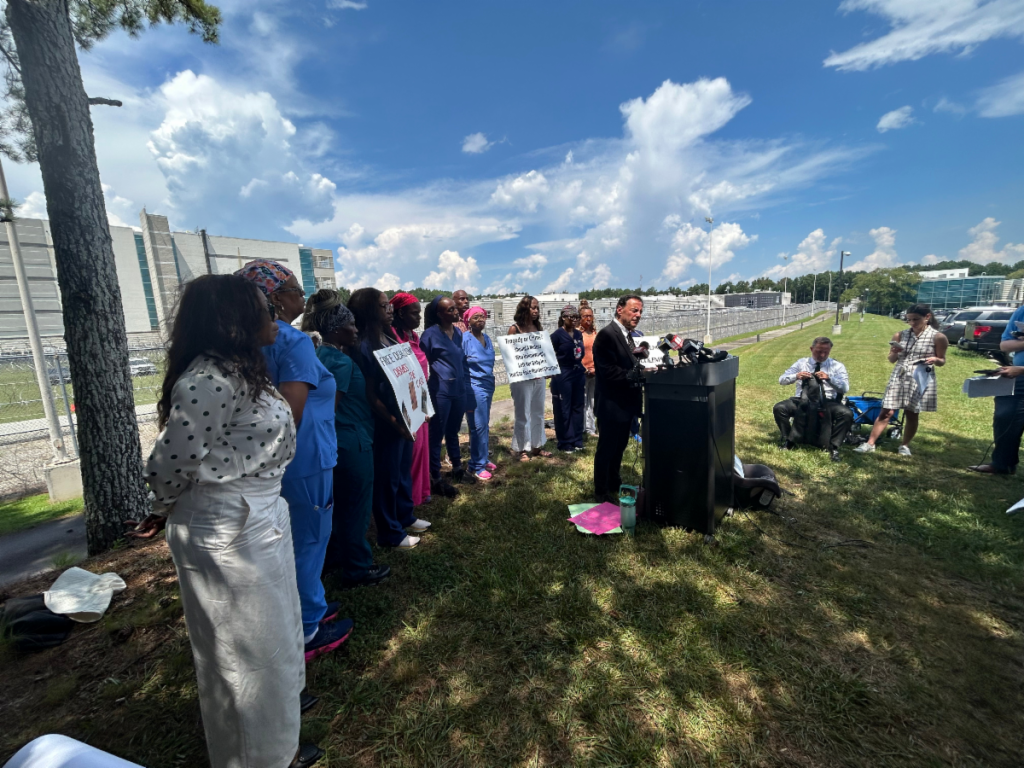
The consequences of criminal prosecution also raise broader questions about fairness and consistency. Research conducted by JABLab in conjunction with Kids and Car Safety examining legal outcomes following hot car tragedies found disparities in how cases involving mothers of different racial backgrounds were handled, adding another dimension to the national debate over when — and against whom — criminal charges are brought following these deaths.
For those who know Coleman personally, the criminal charge bears little resemblance to the mother they know.
“She is a marvelous person, bubbly and effervescent. She is a marvelous mother. She would run through a brick wall for those children,” said Pastor Jesse Hardy.
Advocates say acknowledging that Coleman loved her son does not diminish the magnitude of Daniel’s death. It is precisely because these tragedies can happen in loving families that understanding their cause is so urgent.
A child has died. A family has been shattered. The question now confronting Georgia — and communities across the country — is whether sending a grieving parent to prison prevents the next child from dying.
Kids and Car Safety says that three decades of experience point toward a different solution: Understand the human failure. Design safeguards around it. And prevent the next tragedy before it happens.
Kids and Car Safety is a national nonprofit organization dedicated to preventing injuries and deaths of children in and around motor vehicles. For more than 30 years, the organization has collected data, conducted research, educated families and professionals, advocated for lifesaving policy and vehicle technology, and supported families affected by vehicle-related tragedies.
For prevention resources, interviews, or additional information, visit KidsAndCars.org.
Watch Fatal Distraction, directed by Susan Morgan Cooper, now (currently the #1 documentary movie on Prime Video).

