

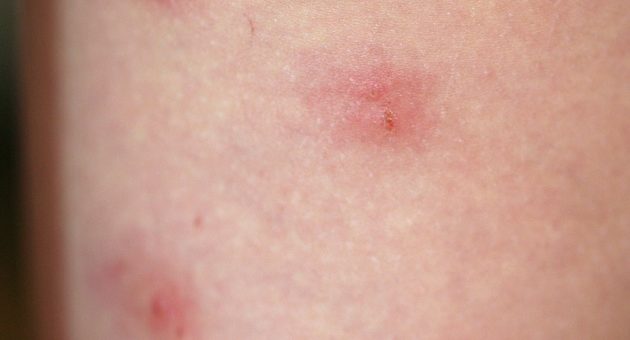
INDIANA — Bug bites are an almost unavoidable part of outdoor summer activities, but the overwhelming urge to scratch them often leads to worse irritation.
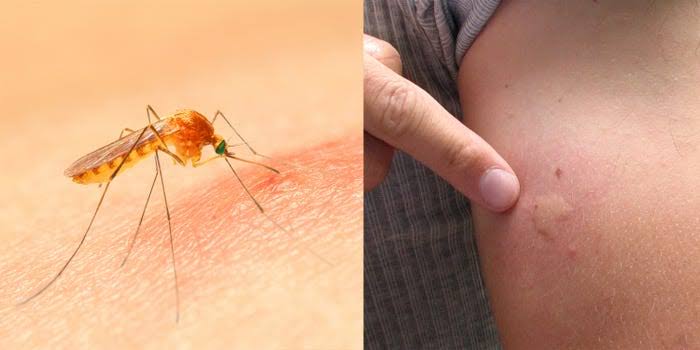
While scratching provides a fleeting moment of relief, dermatologists and medical experts warn that giving in to the itch actually worsens swelling and delays healing. Understanding the science behind the sting—and adopting targeted treatments—can help you break the cycle and stay comfortable all season long.
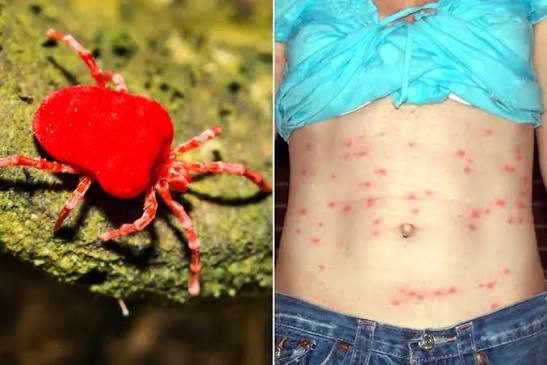
The Science Behind the Itch
When an insect like a mosquito or gnat bites, it injects a small amount of saliva into your skin. This saliva contains specific foreign proteins that prevent your blood from clotting while the insect feeds.
Your body’s immune system immediately recognizes these proteins as invaders and launches a response by releasing histamine.
- Histamine’s role: It causes nearby blood vessels to expand and swell, creating a raised red bump while signaling your nerve endings that something is wrong.
- Why scratching fails: Raking your fingernails across a bite creates mild pain signals that temporarily distract your brain from the itch. However, physical friction causes additional trauma to the tissue, releasing even more histamine and inflammatory chemicals, which causes the bite to itch even more intensely.
How to Soothe Bites Without Scratching
To calm inflamed skin without exacerbating the reaction, healthcare providers recommend replacing the urge to scratch with cool temperatures and targeted treatments:
- Apply Cold: Pressing a cold, damp cloth or an ice pack wrapped in a towel against the bite for 10 to 15 minutes temporarily numbs nerve endings and restricts blood flow, rapidly reducing localized swelling.
- Neutralize Histamines: Taking an over-the-counter oral antihistamine (such as cetirizine, loratadine, or diphenhydramine) directly counters the chemical causing the reaction.
- Target Inflammation: Applying a dab of 1% hydrocortisone cream or calamine lotion reduces redness and irritation. Oral anti-inflammatory medications like ibuprofen can also ease localized soreness or deeper inflammation.
- Clean the Area: Wash the bite site with mild soap and water to clear away excess saliva and bacteria.
The Hidden Danger: Preventing Infection
Resisting the urge to scratch does more than just stop the itch—it protects your skin barrier. Scratching breaks the outer layer of skin and transfers bacteria from your fingers into the open wound, creating an entry point for secondary bacterial infections such as cellulitis or impetigo.
                ┌───────────────────────────┐
                │   Bug Bite (Saliva)       │
                └─────────────┬─────────────┘
                              │
                              ▼
                ┌───────────────────────────┐
                │   Histamine Released      │
                └─────────────┬─────────────┘
                              │
                              ▼
                ┌───────────────────────────┐
                │    Itch & Swelling        │
                └─────────────┬─────────────┘
                              │
               ┌──────────────┴──────────────┐
               │                             │
    (Give in to Scratching)       (Apply Cold/Topicals)
               │                             │
               ▼                             ▼
  ┌─────────────────────────┐   ┌──────────────────────────┐
  │ Skin Damage & Bacteria  │   │ Interrupts Itch Signal   │
  │     (Risk of Infection) │   │   & Reduces Inflammation │
  └─────────────────────────┘   └──────────────────────────┘
When to Seek Medical Attention
Most bug bites resolve naturally within three to five days. However, you should consult a doctor if you notice any of the following warning signs:
- Increasing or throbbing pain surrounding the bite.
- Pus, cloudy discharge, or yellow crusting.
- Expanding redness or dark red streaks fanning outward from the bite site.
- A fever or chills accompanied by swollen lymph nodes.
- Difficulty breathing, dizziness, or swelling of the face, lips, or throat (seek immediate emergency care for potential anaphylaxis).

