

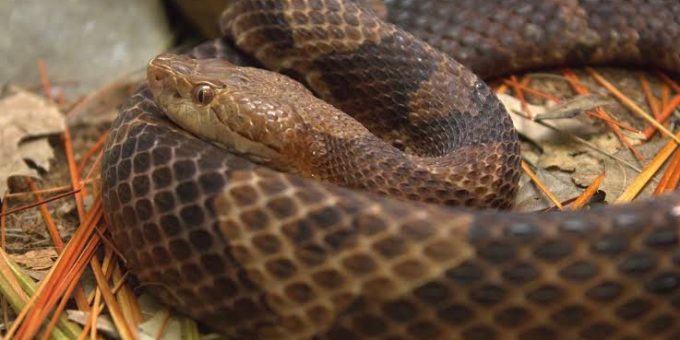
BLOOMINGTON – 32 native snake species consider Indiana home. While it’s rare to be bitten by one of the four venomous snakes, IU Health South Region facilities have seen 17 patients with snakebites over the past year and a half.

“One of the most common causes of snakebites is individuals attempting to handle, capture, or kill a snake, so many bites could be avoided by simply giving them space,” said Ryan Matthews, MD, IU Health South Region Emergency Medicine Medical Director. “Accidental bites from stepping directly on or near a snake are also common. If you are bitten, it’s important to treat it as a venomous bite until proven otherwise.”
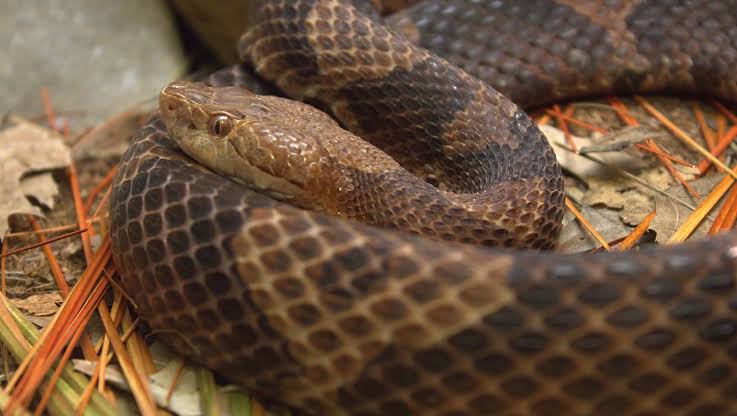
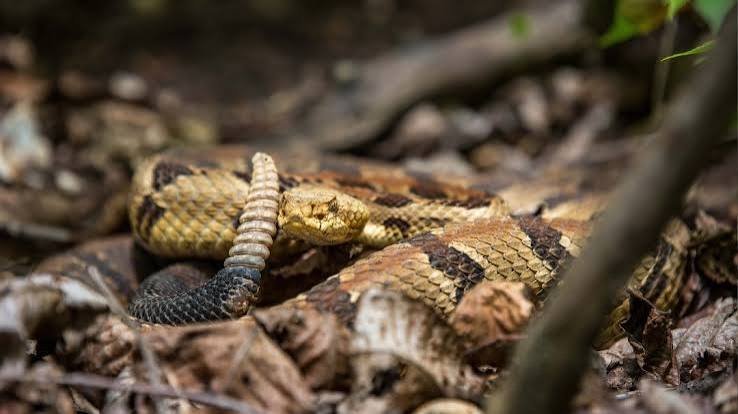
Dr. Matthews advises snake bite victims to do the following:
- Move away from the snake and remain calm
- Call 911 or go directly to the nearest emergency department
- Remove jewelry and tight clothing before swelling begins
- Rest the bitten limb in a neutral position at roughly heart level
- Gently wash the area with soap and water and cover loosely with a clean cloth
- Take a photo from a safe distance, at least 6 feet away, from the snake if possible or try to remember its color and shape
“Unlike what you may see in the movies, please do not apply a tourniquet, cut the wound, try to suck out venom, apply ice, or attempt to catch or kill the snake,” said Dr. Matthews. “Certain painkillers like aspirin and ibuprofen, caffeine, and alcohol can increase bleeding risk, so those should be avoided during this time.”
He emphasized the importance of emergent medical evaluation as many early symptoms—including intense, localized pain, rapid swelling, local bruising, and skin discoloration—don’t always develop immediately. Symptoms can also turn into more serious complications.
“Be safe and go to the nearest emergency department as soon as possible, so the medical professionals can determine if antivenoms or other treatments are needed,” said Dr. Matthews. “It’s much better for a patient to come in right away, and it turns out to be a non-venomous snake or a dry bite, instead of someone coming in hours or days later with severe complications.”
Delayed treatment for venomous snake bites can result in irreversible tissue damage, internal
bleeding, organ failure and other life-threatening complications.
“The good news is, many snakes native to Indiana are generally harmless to humans and snakes are actually helpful in controlling pests like mice,” said Dr. Matthews. “Rodents can have other disease-carriers on them, such as ticks, so snakes help control tick-borne illness as well. Remember to be vigilant when outdoors—especially in high grasses and other areas that can make it harder to see snakes—and keep a safe distance from them when possible.”
About IU Health
Indiana University Health is dedicated to offering highly-skilled, patient-centered care. Named among U.S. News & World Report’s 2025-2026 Best Hospitals as a High Performing hospital in four specialties, IU Health Medical Center is the only academic medical center in the state. The distinctive partnership with the Indiana University School of Medicine – one of the nation’s leading medical schools – equips our highly skilled physicians with access to innovative treatments using the latest research and technology.

