

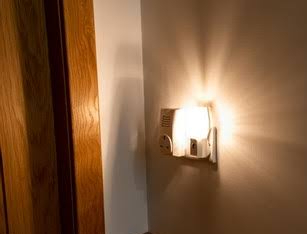
INDIANA — Plugged into low-lying outlets across millions of children’s bedrooms nationwide, nightlights are designed to provide comfort after dark—yet federal safety officials warn that non-compliant and defective models pose severe risks of fire, electrical shock, electrocution, and explosion.
Over the years, the U.S. Consumer Product Safety Commission (CPSC) has issued multiple recalls for nightlights due to dangerous flaws such as overheating batteries, flammable plastic casing, exposed internal wiring, and loose electrical connections. Because these products sit at floor level, they remain within easy reach of toddlers and young children.
How Nightlights Turn Dangerous
Safety regulators point to several critical failure points that turn everyday nightlights into household hazards:
- Loose Electrical Connections: Improperly connected or undersized internal wiring can overheat, short-circuit, and ignite fires. PDF
- Flammable Plastic Housings: Instead of self-extinguishing, some recalled nightlight covers are made of plastic that melts or catches fire from a single spark. PDF
- Detachable Faceplates: Plastic covers that break off or pull away expose live wiring, creating an immediate electrocution hazard for curious children. PDF
- Overheating Batteries: Battery-powered models equipped with non-compliant lithium batteries can melt or catch fire while in use or during charging. PDF
- Leaking Decorative Liquids: Liquid-filled novelty nightlights can leak directly into wall outlets, causing short circuits and fires. PDF
Notable Recalls Highlight Severe Risks
Past CPSC enforcement actions illustrate the physical dangers associated with substandard nightlights:
- Trisonic Nightlights: Recalled following extreme hazards involving fire, burn, shock, and electrocution. In one instance, a nightlight exploded, causing laceration injuries. PDF+ 1
- Dura Kleen Nightlights: Roughly 459,000 units were recalled due to flammable plastic, non-functional power switches, and loose internal connections. PDF
- Elmo Nitelights by The First Years: Over 123,000 units were recalled after three people—including two 1-year-old girls—received electric shocks when the faceplates broke off to expose live wiring. PDF
- AM Conservation Group Night Lights: Recalled following 14 reported incidents of smoking and smoldering. PDF
- Target Circo Night Lights: Pulled from shelves after battery units overheated and melted the light housing, posing a fire risk. PDF
How Parents Can Protect Their Homes
Federal safety experts recommend taking the following precautions to keep children safe:
- Verify Recalls: Check SaferProducts.gov to ensure nightlights currently in your home have not been recalled. PDF
- Inspect Regularly: Look for cracks, discoloration, melted plastic, or housings that feel unusually warm to the touch. Replace damaged or warm units immediately. PDF+ 1
- Location Matters: Never plug nightlights into outlets located near water, curtains, bedding, or flammable drapery. PDF
- Buy Certified: Choose products bearing independent certification marks—such as UL—and avoid unverified items from discount shops or unknown online sellers. PDF
- Secure Batteries: Keep battery-operated models out of reach of young children to prevent battery access or ingestion. PDF
Consumer Resource: To report a dangerous product or an injury caused by a nightlight, visit SaferProducts.govor call the CPSC Hotline at 800-638-2772.

