

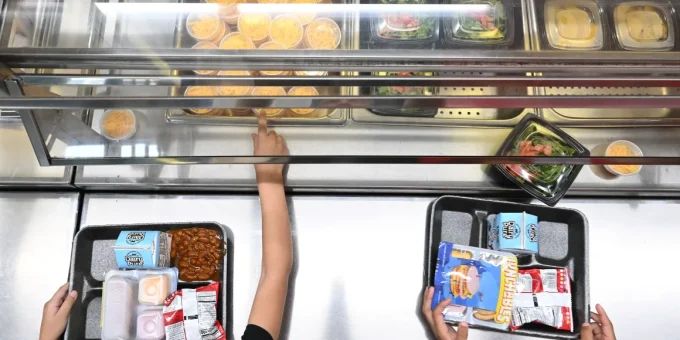
INDIANA — As families prepare for a new school year, many are weighing whether to pack lunches or let their children eat in the school cafeteria. While homemade lunches may seem like the healthier choice, research suggests that school meals often provide better nutrition at a lower cost.
According to a recent report, only 27% of packed lunches meet the same nutrition standards required for school meals. The findings also show that just 17% of packed lunches include vegetables, while packed lunches contain 73% more saturated fat than meals served in school cafeterias.
School lunches are designed to meet federal nutrition guidelines, offering students balanced meals that include fruits, vegetables, whole grains and lean proteins. Eating a nutritious lunch helps children stay focused in class, supports healthy growth and development, and may help reduce the risk of childhood obesity.
Beyond nutrition, school meals can also ease the burden on busy families. For parents balancing work and household responsibilities, school lunches eliminate the need to shop for lunch items, prepare meals each morning and pack lunches before the school day begins.
The financial benefits can also add up. With grocery prices continuing to rise, a packed lunch costs an estimated $4.84 to $7.30 per day, according to the report. By comparison, school cafeteria meals average about $2.99 nationally, making them a more affordable option for many households.
For families who qualify, school meals may be available free or at a reduced price, ensuring that more students have access to healthy, balanced meals regardless of their financial circumstances.
As students head back to the classroom, school lunch programs continue to offer a combination of nutrition, convenience and affordability that can benefit both children and their families.

