

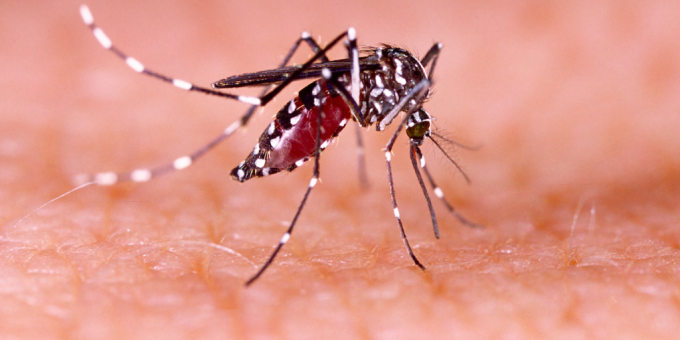
VINCENNES — State health officials have notified the Knox County Health Department that local mosquito samples collected in the area have tested positive for West Nile Virus.
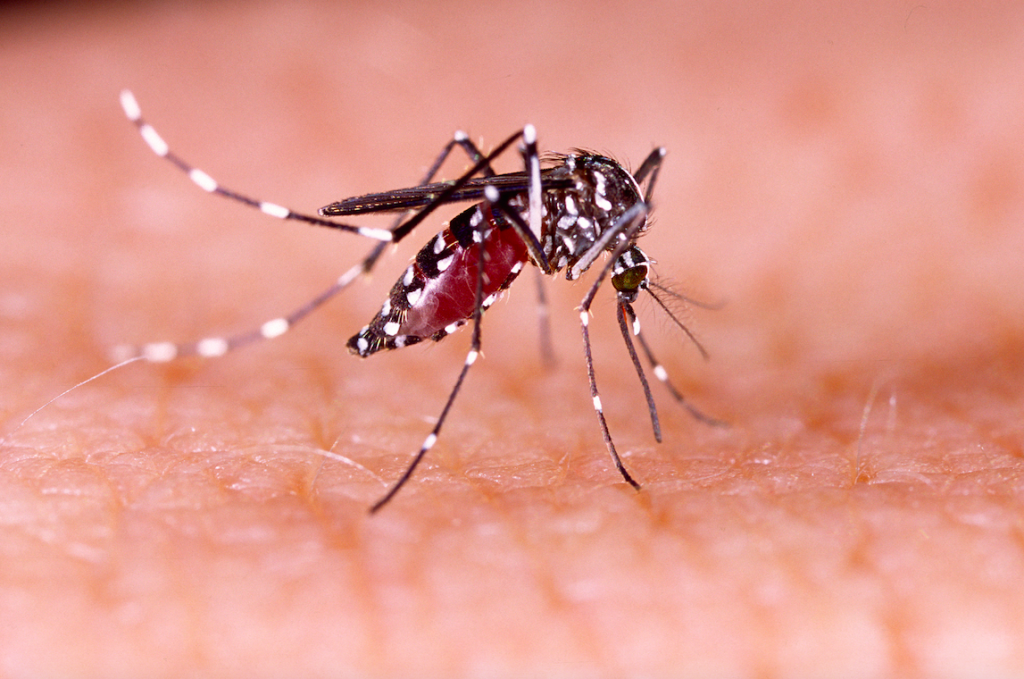
While health officials emphasize that positive mosquito pools are typical during the mid-summer months, residents across Central and Southern Indiana are being advised to take proactive steps to minimize their risk of mosquito bites and virus exposure.
To date, no human cases of West Nile Virus have been reported in Knox County.
West Nile Activity Spreads Across Indiana Counties
Knox County is among several Indiana counties where health officials and vector control programs have detected the virus in local mosquito populations during routine summer surveillance:
- Bartholomew County: Health officials recently confirmed positive mosquito samples, prompting targeted treatments and public warnings to eliminate standing water on private properties.
- Hamilton County: Positive mosquito pools were identified during routine testing in public parks, including Founder’s Park in Carmel.
- Floyd County: State health authorities notified local officials after infected mosquito samples were trapped during county-wide testing along the Ohio River corridor.
- La Porte County: Vector control staff confirmed their first positive pools of mosquitoes collected from local traps.
- Marion, Elkhart, and Allen Counties: State tracking and local health agencies have flagged positive mosquito pools and non-human West Nile activity across central and northern urban metros.
Health experts note that the primary mosquito species transmitting West Nile in Indiana (Culex pipiens) has a limited flight range of about half a mile from its breeding ground, making localized yard maintenance one of the most effective ways to prevent bites.
Prevention: How to Protect Yourself and Your Home
Because there is no human vaccine or specific antiviral treatment for West Nile Virus, health officials stress that avoiding mosquito bites and disrupting breeding cycles is the best defense.
Prevent Mosquito Bites
- Use Repellent: Apply insect repellents containing EPA-registered active ingredients such as DEET, Picaridin, or Oil of Lemon Eucalyptus to exposed skin and clothing.
- Limit Outdoor Exposure: Avoid spending extended time outdoors during peak mosquito biting hours, particularly from dusk to dawn.
- Wear Protective Clothing: When outdoors during active hours, wear long-sleeved shirts, long pants, and socks when practical.
Eliminate Breeding Grounds
Mosquitoes lay eggs in stagnant, standing water, which can mature into biting adults in under a week. Residents are urged to inspect their properties and remove water sources:
- Empty, turn over, or discard containers holding water, such as buckets, flowerpot saucers, birdbaths, pet dishes, and old tires.
- Clean out clogged rain gutters and ensure proper drainage around downspouts.
- Repair surface-discharging septic systems and fix torn window or door screens.
What to Watch For
Most individuals infected with West Nile Virus show no symptoms at all. About 20% of those infected may develop mild, flu-like symptoms, including fever, headache, body aches, joint pain, or a rash. Severe illness affecting the central nervous system occurs in less than 1% of cases, though older adults and immunocompromised individuals face a higher risk.

