

WASHINGTON, D.C. — In response to increasingly prolonged and severe wildfire seasons across North America, the U.S. Environmental Protection Agency (EPA) and its federal partners have released the 2026 edition of Wildfire Smoke: A Guide for Public Health Officials.
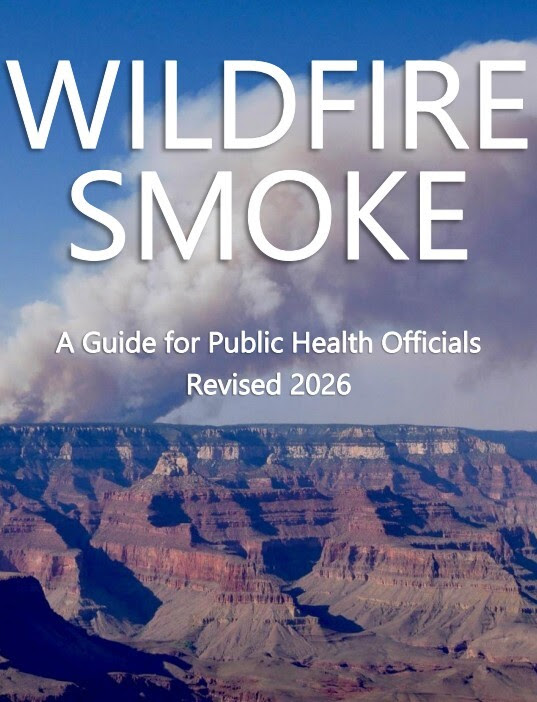
The updated publication serves as the primary playbook for state, local, and Tribal public health officials to anticipate smoke events, communicate fluctuating health risks, and execute safety measures to protect populations. While designed primarily for emergency management and public health administrators, federal officials noted that the comprehensive guide provides critical technical information useful to clinical health professionals, air quality inspectors, and members of the general public.
Escalating Health Risks in a Changing Climate
The rollout comes at a crucial time, as climate-driven patterns continue to extend traditional fire windows well into the spring and autumn months. Wildfire smoke contains a toxic cocktail of fine particulate matter, chemical compounds, and gases that can migrate thousands of miles from the active burn zones, impacting air quality across entire regions.
Exposure to these fine particulates can result in acute health complications, ranging from eye and upper respiratory tract irritation to severe cardiovascular events like heart failure. Public health agencies stress that specific demographic groups face heightened vulnerability during heavy smoke events, including:
- Young children and infants
- Older adults
- Pregnant individuals
- People with pre-existing heart or lung diseases, such as asthma or chronic obstructive pulmonary disease (COPD)
The EPA and its partner agencies have periodically updated this benchmark guide since its inception in 2002 to ensure that field personnel have access to current, peer-reviewed data and actionable field protocols.
What’s New in the 2026 Manual?
The 2026 text shifts heavily toward localized resilience and rapid-response public messaging. The inter-agency update integrates years of localized smoke-intrusion data to focus on four core operational areas:
- Pre-Event Preparedness: Refined strategies for communities to establish “smoke-ready” baselines before active plumes threaten regional air quality.
- Dynamic Communication Tools: Upgraded media and notification kits designed to distribute clear, actionable health warnings to diverse populations during active inversions.
- Indoor Air Quality Infrastructure: Detailed technical guidance on deploying portable air cleaners and constructing low-cost, “do-it-yourself” (DIY) box-fan air filtration units to lower particulate counts inside residential structures.
- Vulnerable Group Protections: Revised standards on effective mask usage (such as N95 respirators), managing localized “clean room” sanctuaries in public buildings, and specialized protocols for school districts and outdoor labor forces.
Specialized Fact Sheets Available for Download
To support public health entities in deploying rapid community notices, the EPA has accompanied the main manual with 14 updated, downloadable public fact sheets. These documents distill dense scientific directives into straightforward action steps covering topics such as children’s respiratory health, sheltering in place, proper ash cleanup, and even protecting household pets and livestock from smoke inhalation.
The complete, multi-agency guide—co-authored by the Centers for Disease Control and Prevention (CDC), the U.S. Forest Service, and regional environmental health agencies—along with its secondary communication toolkits, can be accessed immediately by visiting epa.gov/wildfires.

