

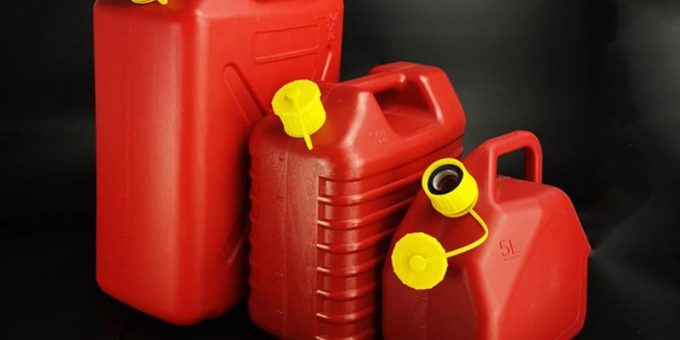
INDIANA — That standard portable gas can sitting on your garage shelf or in your shed might be significantly more dangerous than you realize.
The U.S. Consumer Product Safety Commission (CPSC) issued a critical safety warning today regarding portable fuel containers, including gas cans and other vessels used to hold flammable liquids. Federal regulators warn that improper use or storage of these containers can trigger violent flash fires, catastrophic explosions, and severe, potentially fatal burn injuries.
According to emergency room data, thousands of Americans are treated annually for severe burns tied directly to flammable liquids. A high concentration of these accidents occurs outdoors during peak summer activities involving backyard fire pits, campfires, bonfires, ATVs, lawn mowers, and portable generators.
Understanding the Hidden Danger: Flame Jetting
At the heart of the CPSC’s warning is a terrifying physical phenomenon known as flame jetting.
Flame jetting occurs when liquid fuel—such as gasoline, kerosene, charcoal lighter fluid, or ethanol—is poured from a container directly over an exposed flame, hot embers, or another hidden ignition source.
How Flame Jetting Works
- Liquid fuel is poured toward an active or recently extinguished fire.
- The invisible, highly volatile vapors extending from the container ignite instantly.
- The flame rapidly flashes back into the mouth of the container.
- The container acts as a rocket, shooting a violent, torch-like stream of burning liquid fuel onto anyone standing nearby.
Safety officials emphasize that flame jetting can occur even if a person believes a fire didn’t catch or has already gone completely out. Smoldering, invisible embers are frequently hot enough to ignite the fuel vapors.
Federal Law and Banned Online Products
To combat this specific hazard, Congress passed the Portable Fuel Container Safety Act. Under this law, all portable fuel containers manufactured after July 12, 2023, must be equipped with built-in Flame Mitigation Devices (FMDs)—essentially small mesh screens or filters that prevent a flame from traveling backward into the container—along with child-resistant closures.
However, non-compliant and dangerous products continue to slip through online marketplaces. The CPSC recently issued an urgent directive warning consumers to immediately stop using several illegal fuel bottles sold on Walmart.com and other major online retailers.
The prohibited products lack the legally mandated flame mitigation devices and child-resistant caps. Consumers should check their inventory for fuel bottles from the following manufacturers:
- Shenzhen Pink Vine Technology (frequently sold as an unnamed brand)
- Shenzhen Yinglong Industrial (sold under the brand name True Brothers)
- Zhengzhou Weipai Jiajuyou Xian Gongsi (sold under the brand name Xastro)
If you own one of these products, officials say to dispose of it safely at a local hazardous waste site.
Crucial Safe Use and Storage Guidelines
To keep your home and family safe this season, the CPSC recommends adhering strictly to the following protocols:
- Never accelerate a fire: Never use gasoline to start or restart a fire. Absolutely never add liquid fuel after a fire has been lit, even if you cannot see a visible flame.
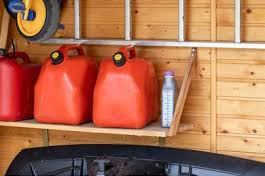
- Isolate your storage: Store portable fuel containers exclusively in cool, well-ventilated areas outside the main home. Never store gas cans inside a house, basement, or near appliances with pilot lights, stoves, water heaters, or electric mowers.
- Fill up on the ground: At gas stations, always place your fuel container flat on the ground to fill it. Leaving it in a truck bed or car trunk can cause static electricity to ignite the fumes.
- Practice fire safety: Keep a running garden hose or a certified fire extinguisher nearby whenever you are operating a fire pit or campfire. Check local ordinances and never burn when wildfire risks are high.
- Mind your clothing: Do not wipe fuel from your hands onto your clothes. If you spill flammable liquids on your apparel, spot clean the area immediately, and line dry the clothes outdoors.
To report an unsafe fuel container or a product-related injury, consumers can log onto SaferProducts.gov or call the CPSC Hotline directly at 800-638-2772 (TTY 800-638-8270).

