


INDIANA — Recent federal legislative changes have triggered a sharp decline in enrollment for Indiana’s safety net programs, leaving tens of thousands of Hoosiers without food or healthcare assistance, according to a report released by a statewide advocacy group.
The Indiana Community Action Poverty Institute revealed that federal legislation HR 1—frequently dubbed the “One Big Beautiful Bill”—has forced billions of dollars in spending cuts to the Supplemental Nutrition Assistance Program (SNAP) and the Healthy Indiana Plan (HIP).
State enrollment data compiled by the Institute shows immediate drop-offs in program participation between January 2026 and April 2026:
- SNAP Enrollment: 22,662 fewer Hoosiers are receiving food assistance—a decline nearly double the entire population of Madison, Indiana.
- HIP Enrollment: 39,560 fewer Hoosiers are receiving health benefits—a number exceeding the population of New Albany, Indiana.
The Institute warns that these numbers represent just the initial wave of losses, as additional provisions under HR 1—including stricter HIP work requirements and newly instituted premiums and copays—are scheduled to roll out through the remainder of this year and into next.
Real-World Impacts Highlighted in Focus Groups
To evaluate the human element behind the data, the Institute conducted a series of four focus groups with active SNAP and HIP participants across Indiana. The findings highlighted that the cuts are impacting a diverse cross-section of residents facing temporary or systemic hardships.
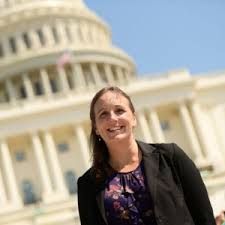
“We talked with Hoosiers from all walks of life who currently rely on SNAP and HIP to meet their basic needs,” said Erin Macey, Director of the Indiana Community Action Poverty Institute. “This included a barber who needed a surgery that temporarily wiped out his earnings, a single mom going back to school for nursing, a parent of a child with disabilities, a new mother with a baby in the NICU, and a young man dealing with a chronic illness that prevents steady employment.”
Participants widely reported a sense of distress over the shrinking safety net. One focus group participant noted that the policy shifts felt like a deliberate attempt to “whittle down who can get” help, adding, “It would be great if we were moving people into a place where they didn’t need the help. But…are people just going to lose this benefit, or are there things in place to help them make the changes that they need?”
Campaign Launches Action Tool for Public Feedback
In response to the policy changes, the Institute is launching an informational campaign across print and digital media to educate the public on the shifting eligibility rules. Supported by the Partnership for Basic Needs, the group will distribute informational brochures to regional social service organizations and launch public awareness messaging across Facebook, Instagram, LinkedIn, X, and Bluesky.
Crucially, the educational materials feature a QR code linked to an online digital action tool. The tool allows affected residents to bypass bureaucratic layers and share their personal experiences directly with elected officials.
Focus group participants expressed hope that lawmakers would utilize the tool to understand the practical execution of their legislation.
“I would say to policymakers… speak to somebody who’s lived it,” another focus group member shared. “A lot of times, they put out new regulations or new policies that might look good on paper from up there at the top, but once it kind of trickles down to the people who actually do it, it doesn’t really work… because they didn’t really consult anybody who actually does.”
The Institute’s comprehensive brochure detailing the HR 1 guidelines is available online, and local community organizations are being urged to help disseminate the information to families in need.

