

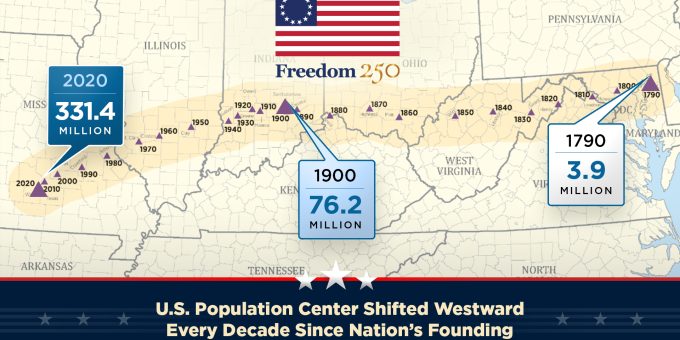
WASHINGTON, D.C. — For 236 years of America’s 250-year history, the U.S. census has done far more than simply measure the nation’s population. Since its inception, the decennial count has tracked evolving societal values, shifting interests, and profound changes in the American way of life.
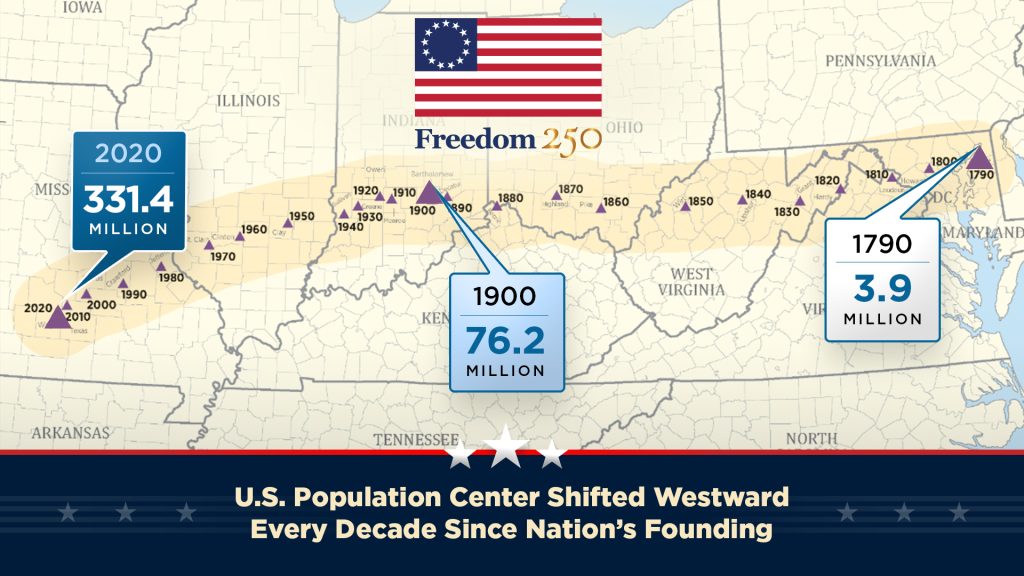
The specific questions asked by the census—along with how they are posed and who is included—serve as a historical capture of what matters to American society at any given moment. From housing, employment, and manufacturing to slavery, immigration, and voting access, public demand for information on these critical topics has fluctuated over the course of American history, punctuated by the population count at the start of each decade.
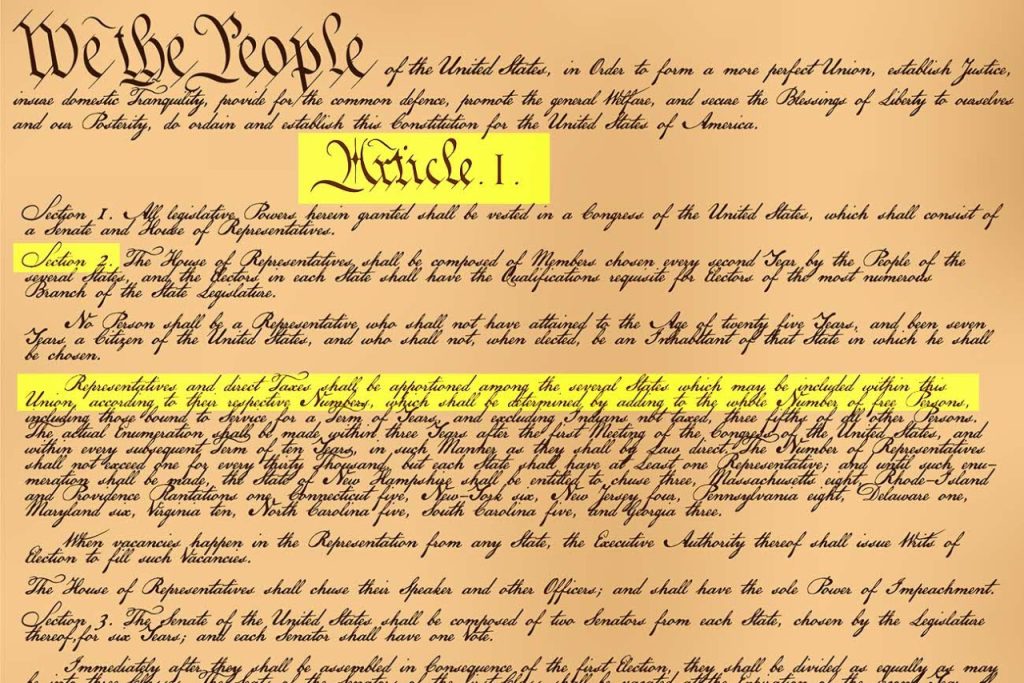
The foundational requirement for the census dates back to the framers of the U.S. Constitution, who directly tied the apportionment of the U.S. House of Representatives to a once-a-decade population count. Ever since the nation’s first census, Americans have been able to view the country’s complex evolution through the prism of each subsequent decennial count, watching the system adapt to major historical milestones like the Westward Expansion, the Civil War, the Great Depression, and the Civil Rights Movement.
1790: The First Census
The historic precedent began with the Census Act of 1790, which was passed by the First Congress and signed into law by the nation’s first president, George Washington.
On August 2, 1790, U.S. Marshals officially began the daunting task of collecting data across the landscape. The inaugural count required marshals to record the names of each head of household, alongside a breakdown of specific demographic categories:
- Free White men aged 16 and older
- Free White men under the age of 16
- Free White women
- All other free persons
- Enslaved individuals
Notably, most American Indians were not enumerated during this first count or at any point between 1790 and 1850; their relationship to federal census-taking would continue to slowly evolve over the course of American history. Given the primitive transportation and communication networks of the era, the first census took 18 months to fully complete.
Historical “Firsts” and Fun Facts from 1790
- No Official Paperwork: The federal government did not provide blank, printed forms to the enumerators tasked with gathering the data. Instead, U.S. Marshals had to use whatever paper was available to them and record all information entirely by hand.
- Mandatory Cooperation: Compliance was strictly enforced from the very beginning. Every person older than 16 was legally required to cooperate with the enumerators “on pain of forfeiting twenty dollars”—a substantial sum at the time.
- Geographic Scope: The 1790 census successfully enumerated the populations of the 13 original states (Connecticut, Delaware, Georgia, Maryland, Massachusetts, New Hampshire, New Jersey, New York, North Carolina, Pennsylvania, Rhode Island, South Carolina, and Virginia). It also counted residents in the districts of Kentucky, Maine, Vermont, and the Southwest Territory (which would later become the state of Tennessee).
The First Snapshot of the American Population
When the final numbers were tallied after the 18-month effort, the official population of the United States stood at 3,929,214. This initial total included 697,624 enslaved people, accounting for 17.8% of the country’s documented population at the dawn of the constitutional republic.
For more information on this and other early censuses, click here.